
How Kartell puts texture, materiality and personality at the centre of design
For years, contemporary design has been defined by reduction. Clean lines, restrained colours and minimalist forms shaped interiors around the world. At Salone del Mobile 2026, Kartell proposes a different perspective. Rather than focusing solely on the object itself, the Italian design brand explores the expressive power of surfaces, materials and the stories they are able to tell.
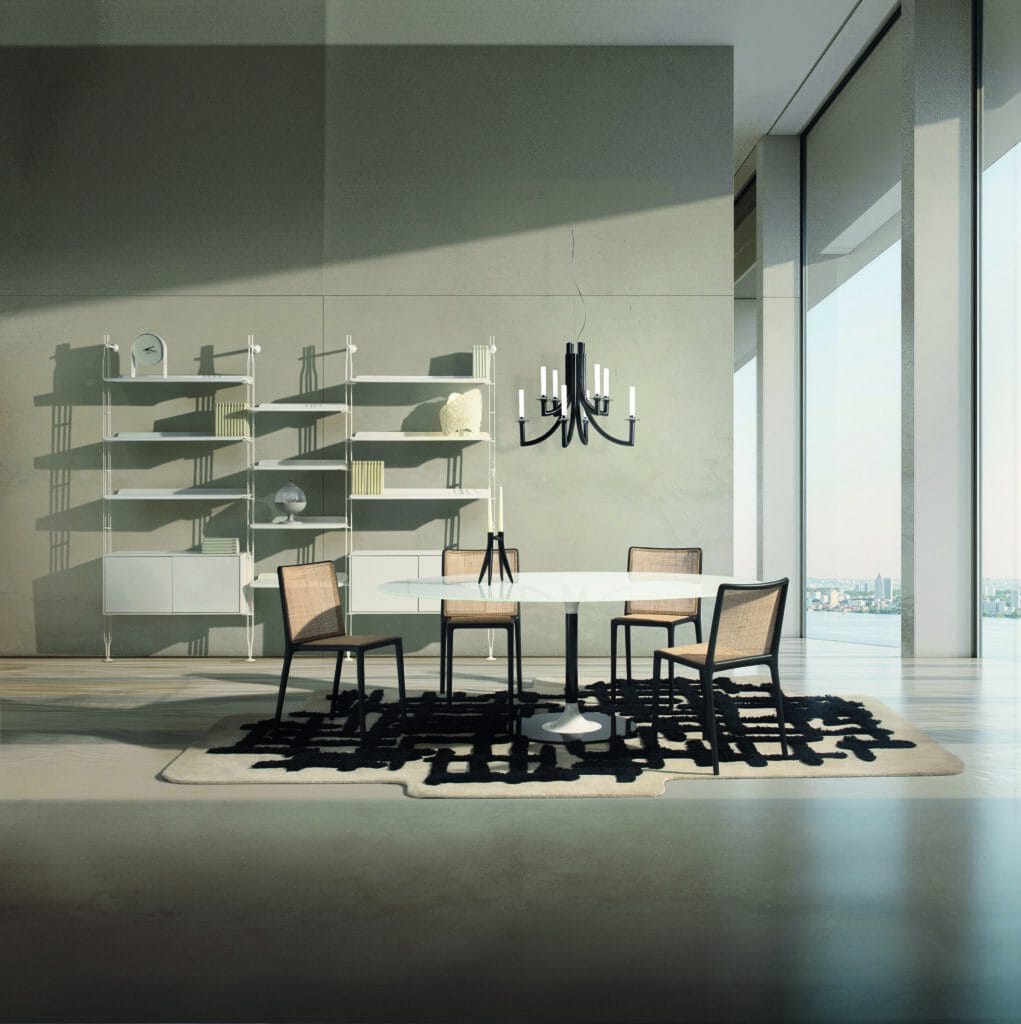
Instead of presenting a collection of individual products, Kartell creates an immersive narrative where colours, textures and materials shape emotional living environments. Industrial precision meets craftsmanship, while technological innovation and artificial intelligence become creative tools that expand design into new visual and narrative dimensions.
Rugs as Architectural Landscapes
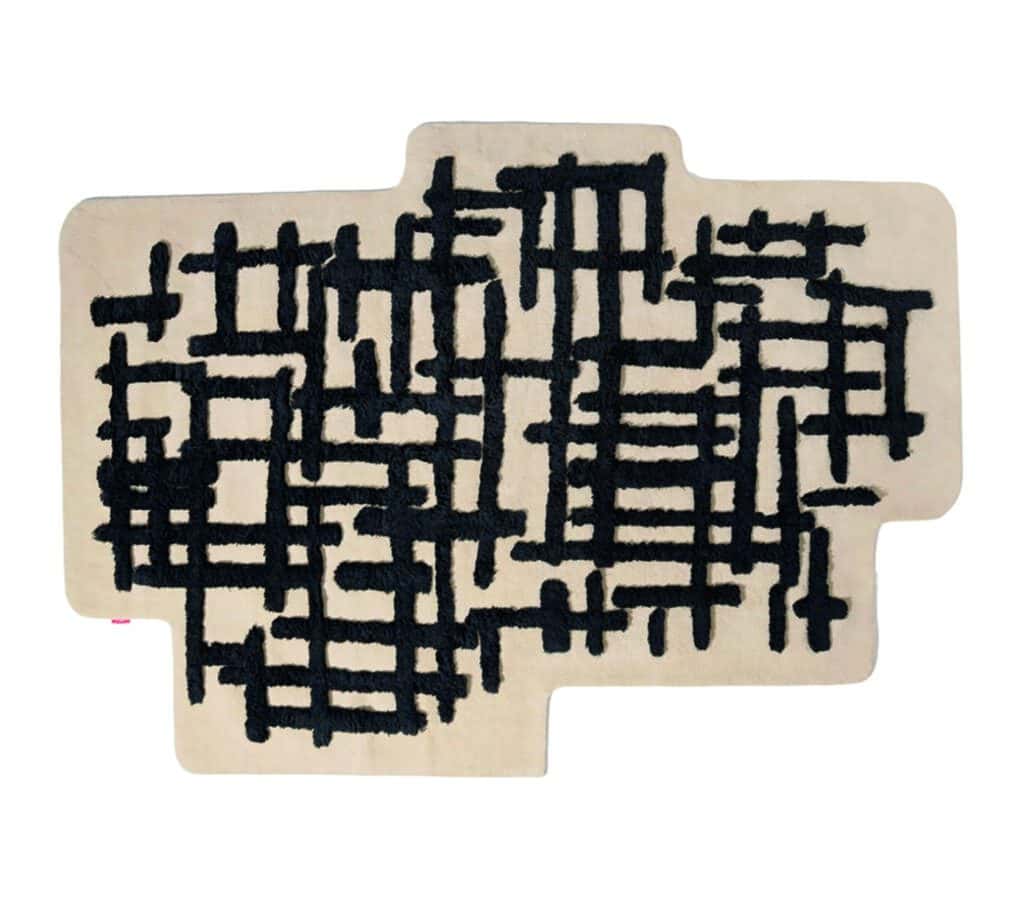
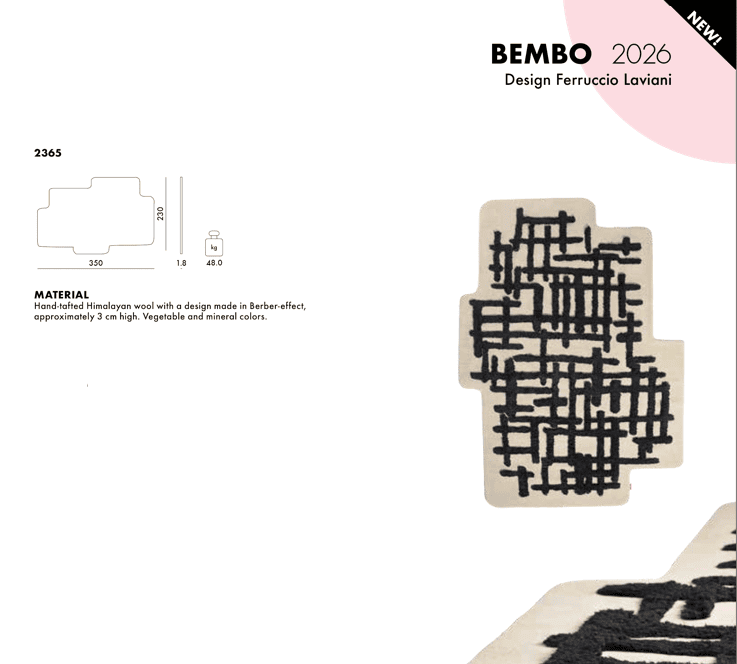
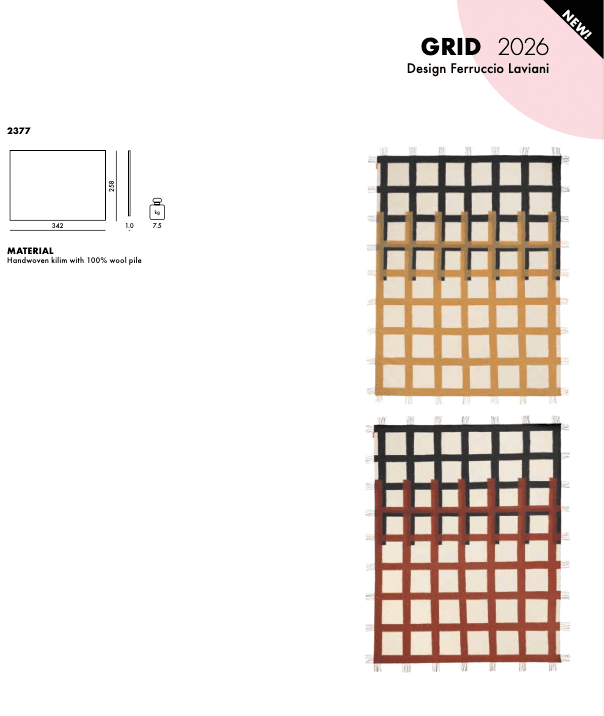
This approach is particularly evident in the new rug collections. With GRID and BEMBO, Ferruccio Laviani transforms textile surfaces into graphic compositions. GRID draws inspiration from traditional weaving structures, using subtle linear patterns to create architectural depth, while BEMBO evokes the spontaneity of an ink brushstroke, introducing movement and rhythm into interior spaces. Rather than functioning as decoration, both rugs become defining architectural elements.
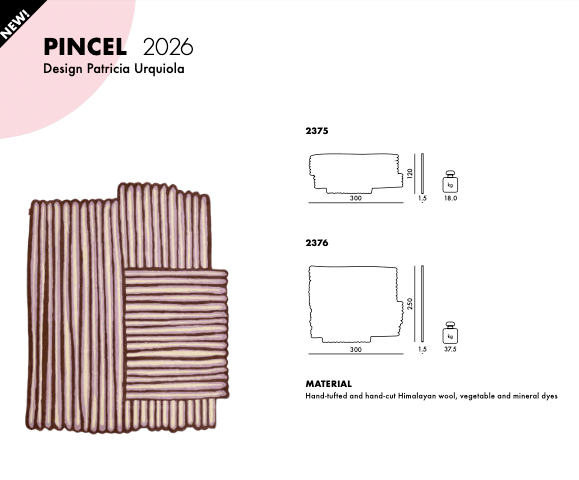
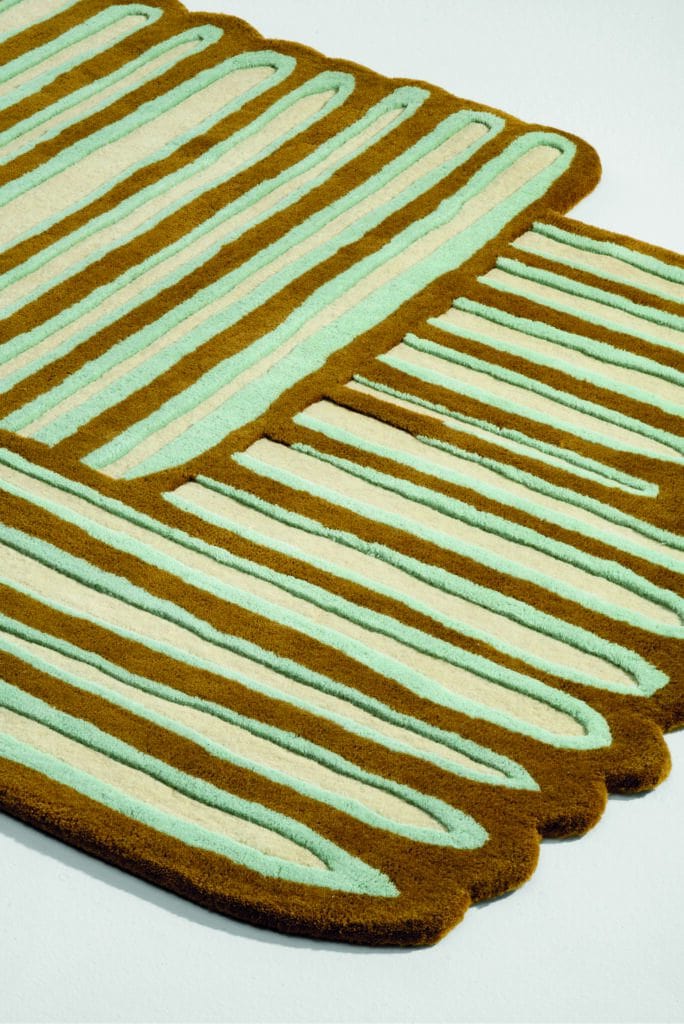
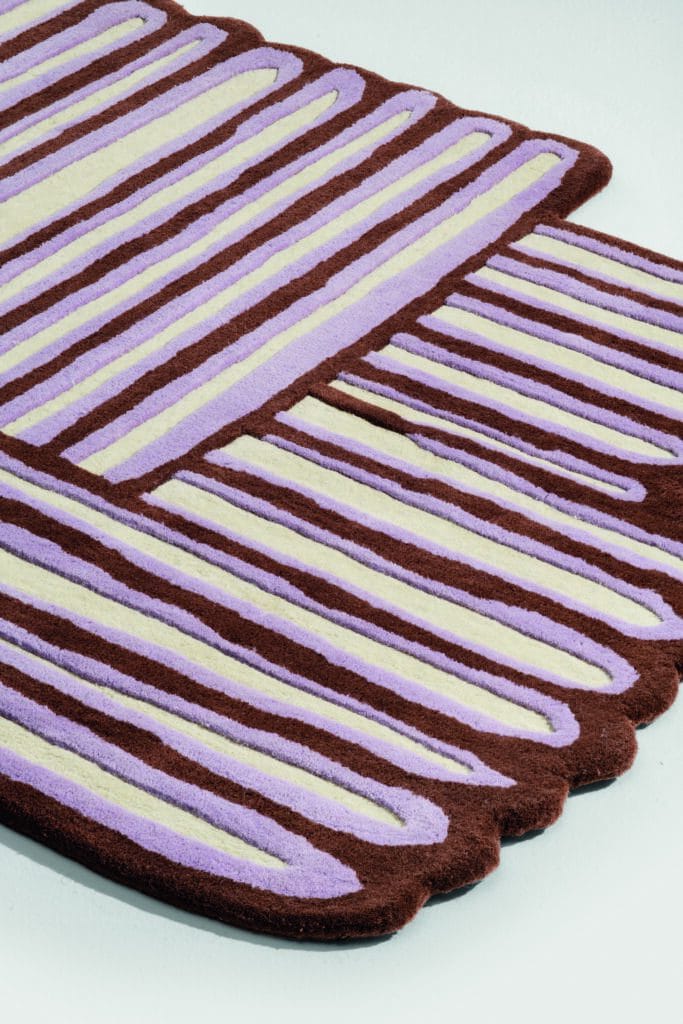
Patricia Urquiola‘s PINCEL collection follows a similarly artistic path. Inspired by the fluid gesture of a paintbrush, the rugs feature organic lines and painterly colour transitions that shift with changing light and perspective. The result is a textile surface that feels alive, balancing design, craftsmanship and contemporary art.
Objects with Personality
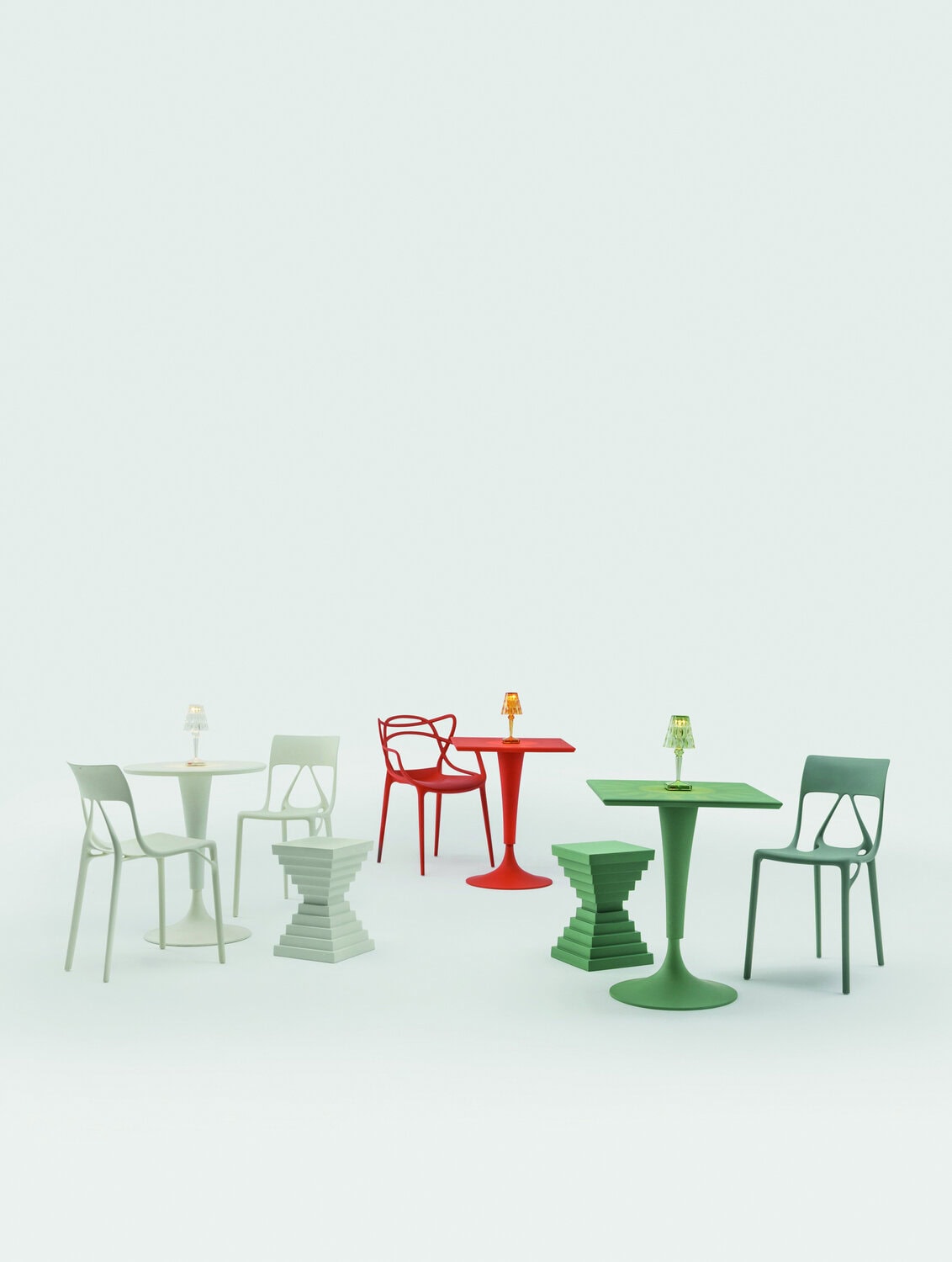
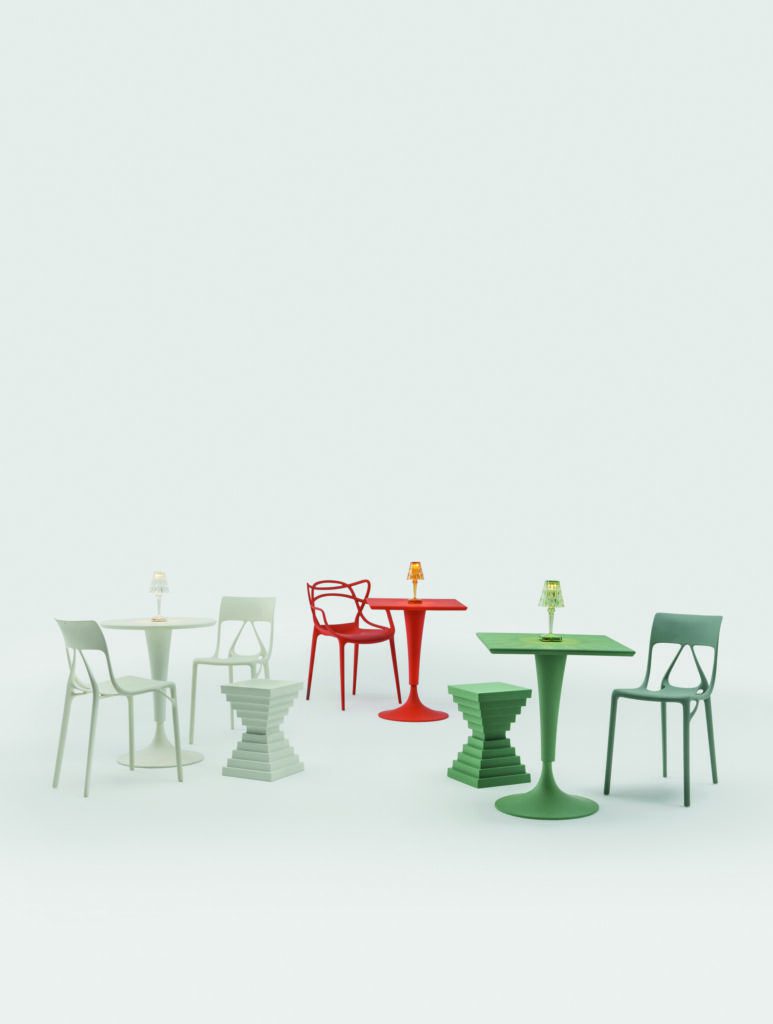
Providing a playful contrast is Philippe Starck’s PRINCE OHOH. Its sculptural hourglass-inspired geometry allows the piece to function effortlessly as a stool, side table or decorative object. Combining humour, versatility and a strong visual identity, it demonstrates that functional design can also possess unmistakable character.

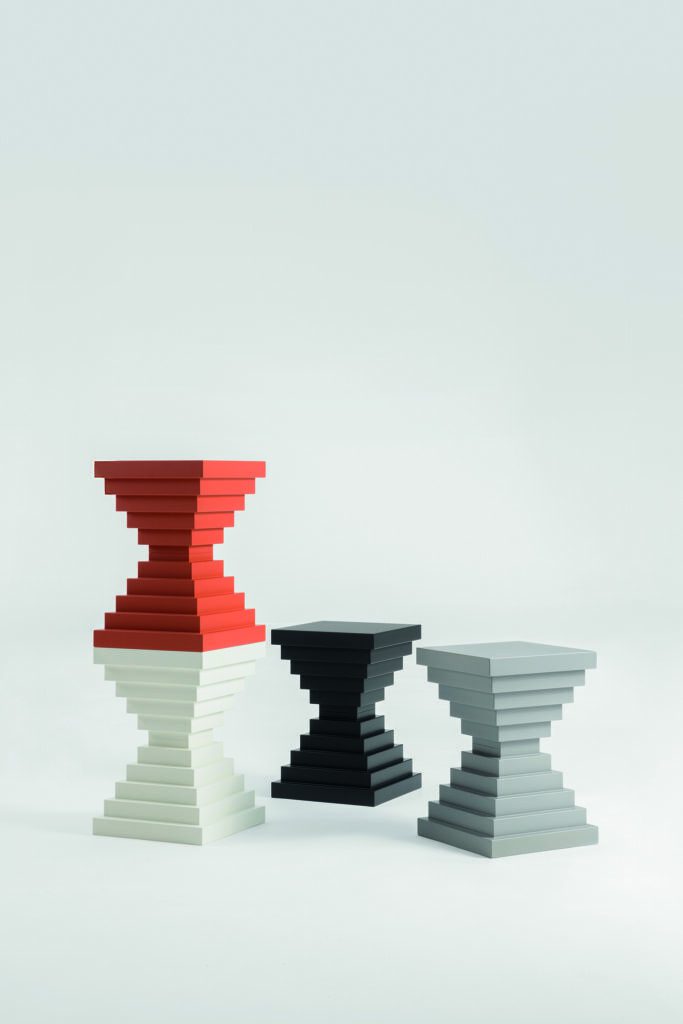
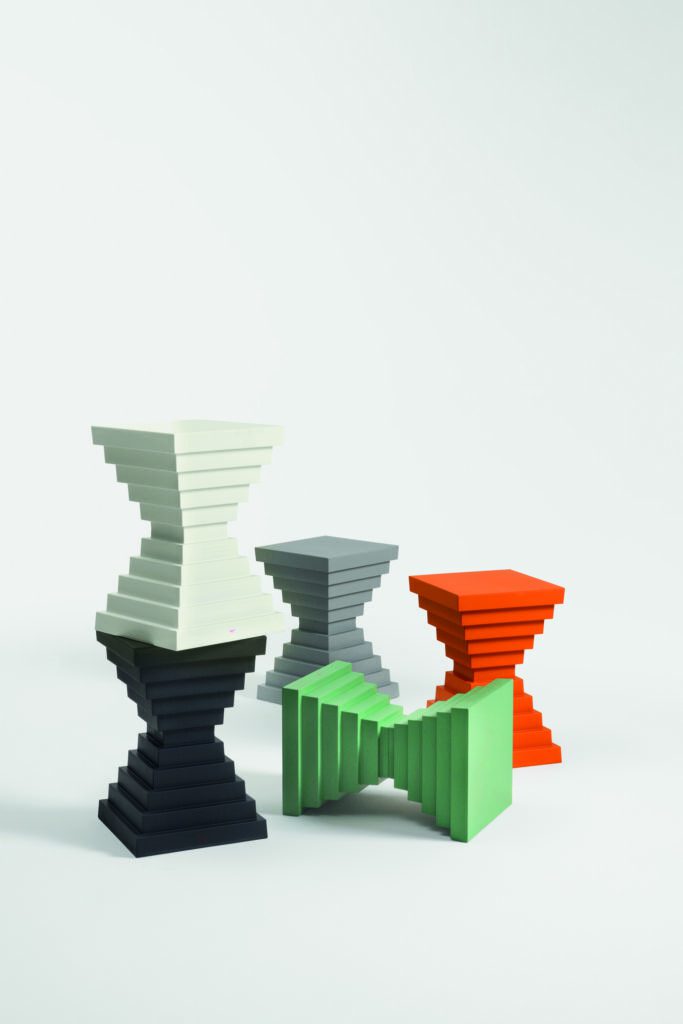
Kartell`s latest collection suggests that contemporary design is no longer driven solely by new forms. Its true strength lies in making materials tangible and creating objects that evoke emotion long before they fulfil their function. In an increasingly digital world, this tactile experience may well be the greatest luxury of all.