


Zoë Schlanger’s The Light Eaters explores the capabilities of plants. It also opens up a larger question: what becomes possible when our understanding of life expands?
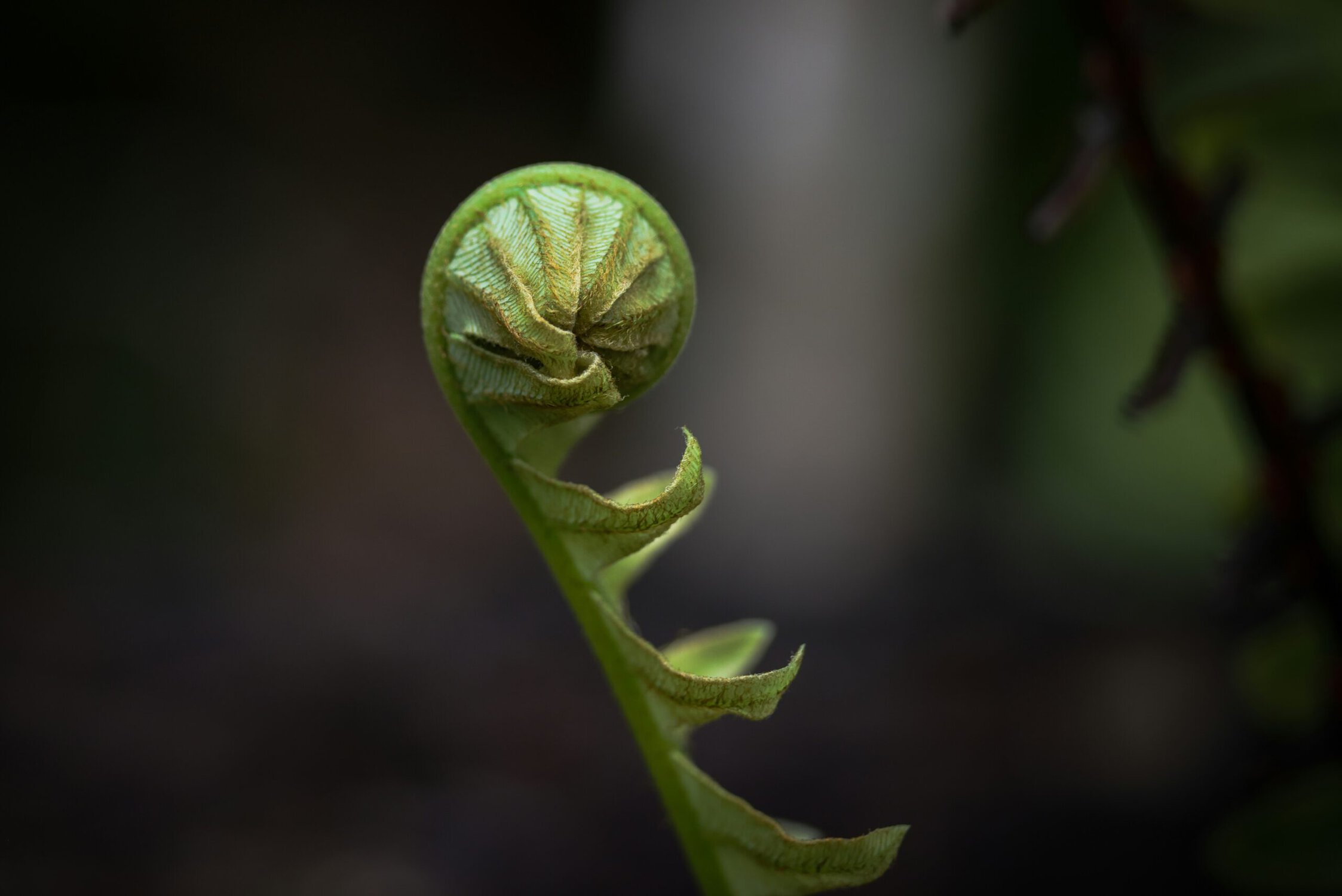
A leaf turns towards the light. Roots grow through the soil. A tree stands in the same place for decades, continually changing its surroundings. Much of this happens at a pace that escapes a passing glance. Walk past and you see green. Look more closely and you encounter life with its own rhythms and relationships.
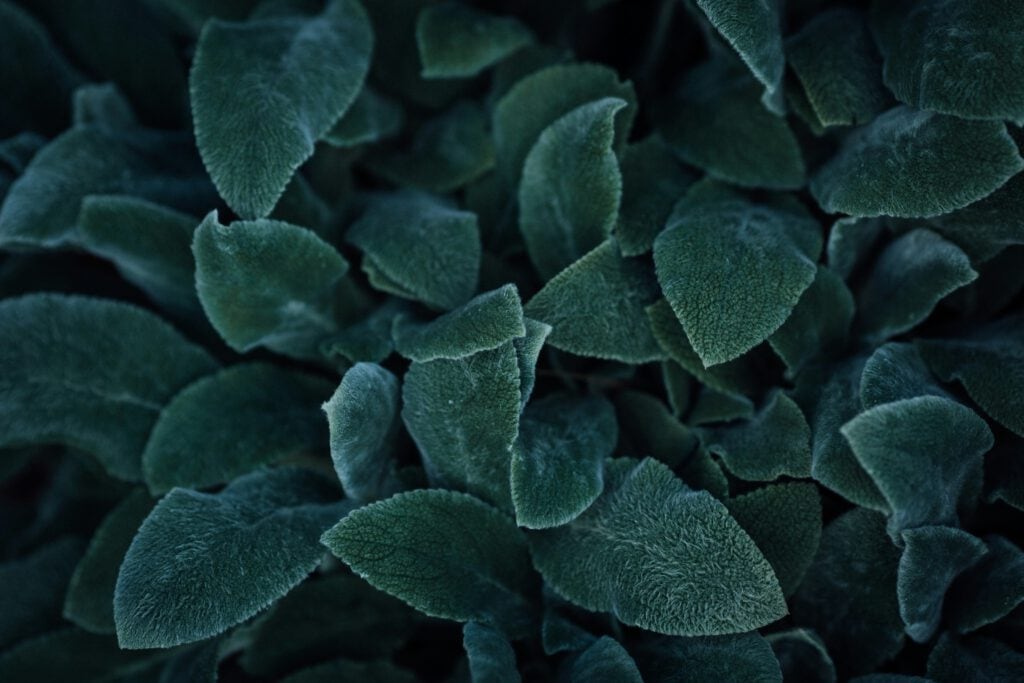
In The Light Eaters, science journalist Zoë Schlanger follows research into plants’ capabilities. She explores a field in which new observations also challenge language: how can perception, communication and adaptation be described when the organisms involved are organised so differently from humans?
The book takes us to a boundary that reaches far beyond botany. It lies between the world and the picture we make of it. Something heartening can happen there: a familiar idea opens up, and life gains more possibilities than it was previously allowed.
A leaf is no silent presence
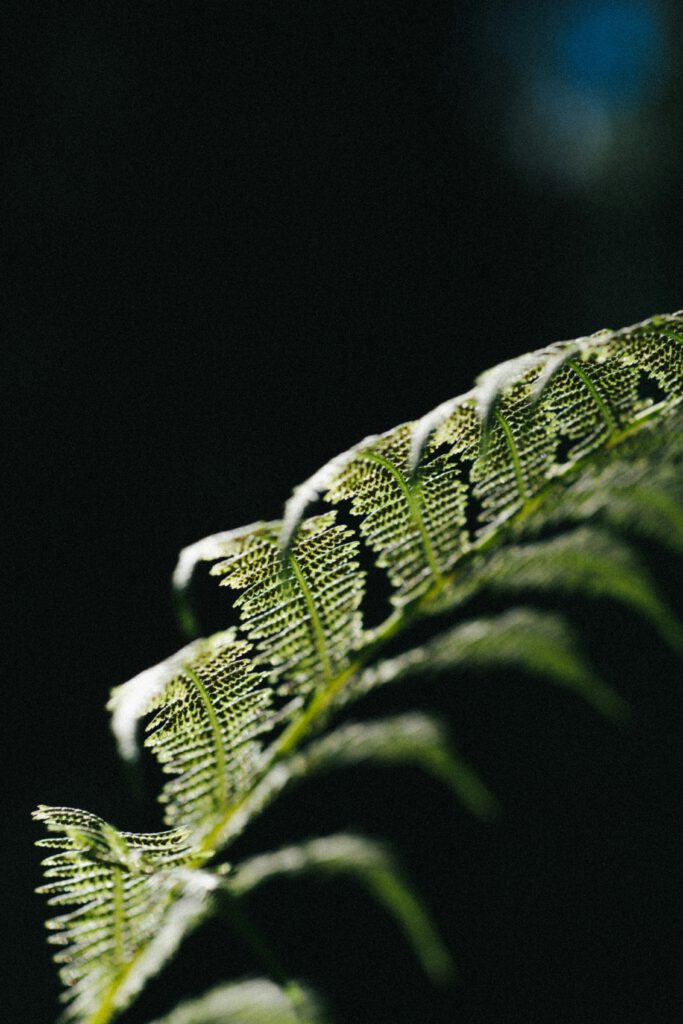
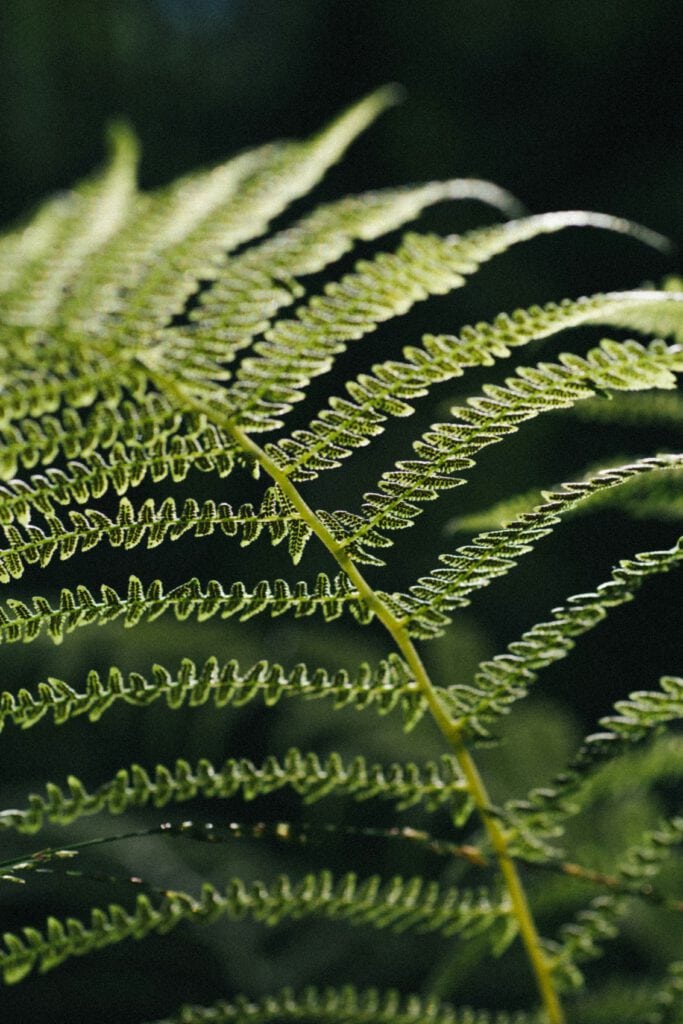
Plants respond to light and mechanical stimuli. They process signals, alter their growth and adjust physiological processes to the conditions around them. Research can make these processes visible and investigate the mechanisms involved. Apparently motionless greenery comes into focus as an active organism.
Terms such as intelligence and consciousness remain disputed. A measurable response does not establish subjective experience. This distinction makes the discussion compelling: new findings deserve attention and careful scrutiny. A plant can fascinate us while the question of its consciousness remains open.
The larger shift begins before that question. An organism does not have to speak, move from place to place or act in human ways to have a complex relationship with its environment. With this insight, humans relinquish some of their role as the sole measure. Other forms of life become interesting on their own terms.
This also enriches the experience of a garden. What was chosen for colour, growth and atmosphere has a life of its own. A tree is a habitat before it is a view. A landscape consists of relationships that began long before people entered it. Knowing this gives depth to what is visible.
A view can shift
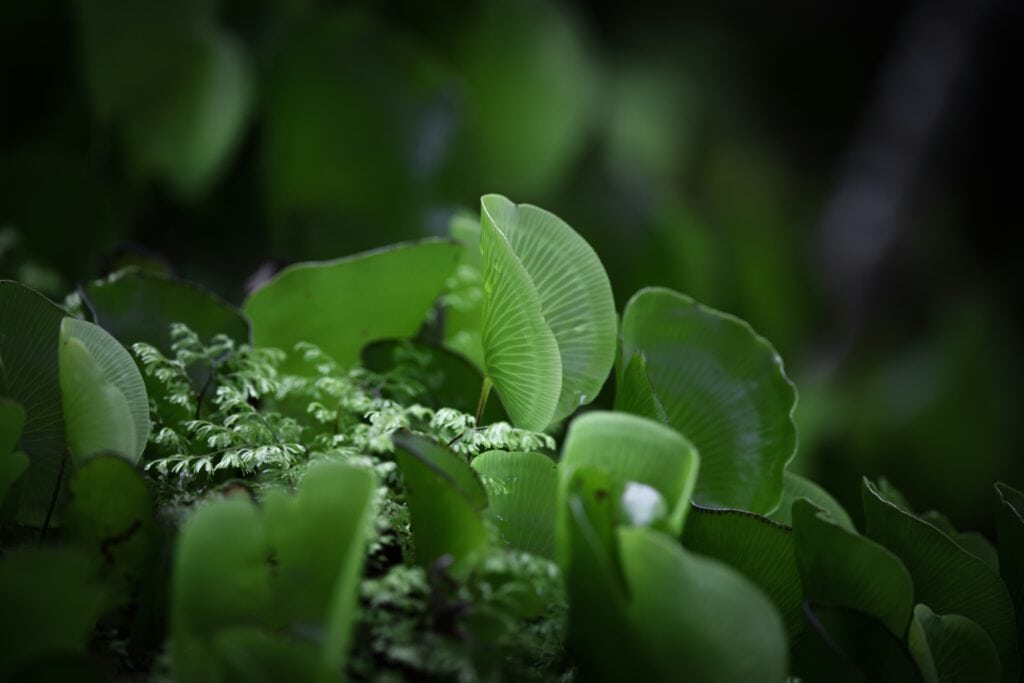
Schlanger captures this openness in an image: “The world is a prism, not a window.” The world as a prism. Different angles reveal different facets; the familiar can show something previously hidden.
Applied to life more broadly, this becomes an invitation to keep our own measures flexible. Experiences and concepts provide orientation. They also determine what stands out and what is overlooked. Activity often appears as rapid movement, significance as visibility, development as measurable progress. Within this picture, there is little room for slower, quieter or unfamiliar processes.
Encountering plant life can change that. It shows us that our own rhythm is one among many. From here, human life can also be reconsidered: a thought that needs time; a relationship that changes gradually; an ability that becomes visible only under different conditions. These experiences are not botanical evidence. They are possibilities that a changed perspective opens up in everyday life.
A room can bring people closer when its arrangement changes. A conversation can take a new direction when a question replaces a hasty judgement. And a habit can loosen because someone discovers another way. These small shifts offer a practical form of optimism: the existing picture need not be the final one.
A paradigm shift therefore also takes place in the questions being asked. Those who look only for similarities can easily read differences as deficiencies. Those interested in an organism’s particular nature may discover capabilities that previously escaped their attention. Knowledge grows alongside a willingness to be surprised.
More room for being alive
Against this background, aliveness gains another dimension. Life is already all around us. We can discover it and help shape conditions in which it has room to flourish. In a garden as much as in a city, a shared project or the rhythm of our own day.

Connection has a concrete starting point. Food, air and habitats arise within ecological relationships. Human life is sustained by other life. Inferring a shared consciousness from this would be a further, philosophical step. The actual dependencies already give us reason to rethink belonging.
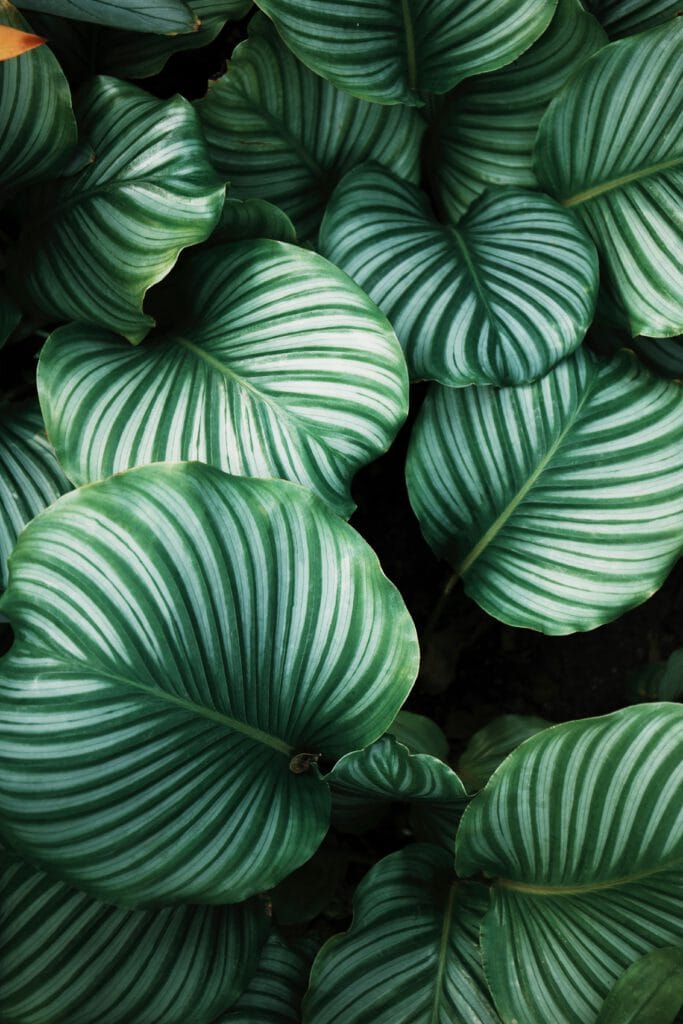
Belonging can bring joy. It gives our attention something to engage with and places our actions in context. Planting changes a place. A conversation changes a relationship. New knowledge changes which possibilities can even be imagined. Each experience makes tangible that people participate in a living world and can contribute to it.
From this perspective, the optimistic thought in The Light Eaters lies in the expansion of what is possible. There are still capabilities to understand, relationships to discover and ways of living together to explore. Incomplete knowledge leaves room for research, imagination and new experiences. Wonder can be the beginning of closer attention.
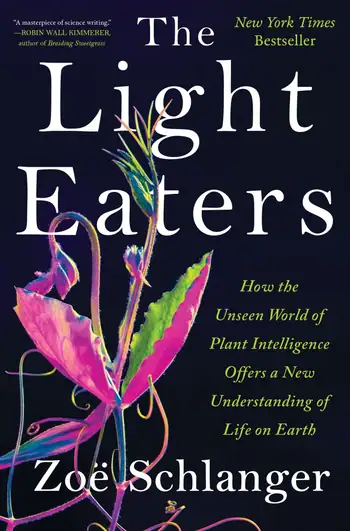
NEW YORK TIMES BESTSELLER
The New Yorker’s Best Books of 2024 • TIME’s 10 Best Nonfiction Books of 2024 • New York Magazine’s 10 Best Books of the Year • Washington Post’s 50 Notable Works of Nonfiction of 2024 • Smithsonian’s 10 Best Science Books of the Year • A Best Book of the Year: Boston Globe, Scientific American, New York Public Library, Christian Science Monitor, Library Journal, and Publishers
The leaf outside the window remains a leaf. But those who notice its relationship with light see a process, a response, a particular way of being in the world. The view gains depth. And with it comes the pleasure of a life that still has something to reveal.