



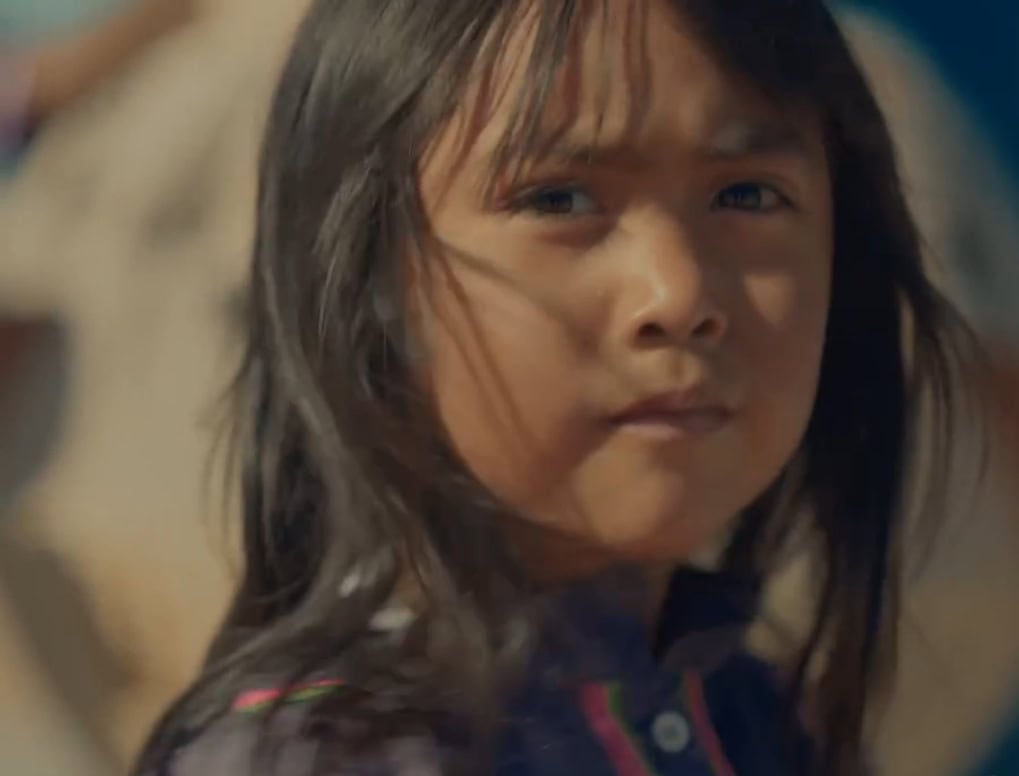
How the Comcaac Preserve Ancestral Knowledge on Mexico’s Sonoran Coast
Along Mexico’s remote Sonoran coastline lives one of the country’s smallest Indigenous communities: the Comcaac, also known as the Seri people. With fewer than a thousand members, they continue a way of life shaped by the rhythms of the desert and the sea. In the NOWNESS short film Un Canto por el Desierto (A Song for the Desert), director Enrique M. Rizo offers an intimate portrait of a culture where craftsmanship, storytelling and ancestral knowledge remain inseparable.
Weaving More Than Objects
At the heart of the film is the basket-weaving tradition maintained by Comcaac women. Using fibres from the elephant tree, or torote, they create vessels that have served everyday life for generations—carrying food, water, seeds and even children.
Yet these woven forms are far more than practical objects. Each basket preserves knowledge, identity and a deep relationship with the surrounding landscape. Every woven strand reflects a culture whose history has largely been passed on through oral tradition rather than written records.
“The Comcaac baskets are never just baskets. They are vessels—for seeds, fruit, seafood, babies, water, and sometimes for stories that seem to belong to other worlds.”
— Enrique M. Rizo
Where Nature and the Supernatural Meet
Through conversations with Ana María, who speaks the Comcaac language Cmiique Iitom, the film moves beyond craftsmanship into the spiritual dimension of the community’s worldview.
Songs dedicated to the desert, the wind, the sea and the sun reveal a relationship with nature in which every element carries meaning. Folklore, oral history and unexplained supernatural beliefs are not presented as mythology from the past but as living expressions of cultural identity.

A Living Archive of Culture
Rather than documenting basket weaving alone, Un Canto por el Desierto becomes a reflection on resilience, memory and the role of women as guardians of cultural continuity. At a time when many Indigenous traditions face increasing pressure, the film reminds us that craft can function as a living archive—one that carries both history and hope into the future.
As with many NOWNESS productions, the film favours atmosphere over explanation, inviting viewers to experience a place through emotion, rhythm and human connection rather than conventional documentary storytelling..