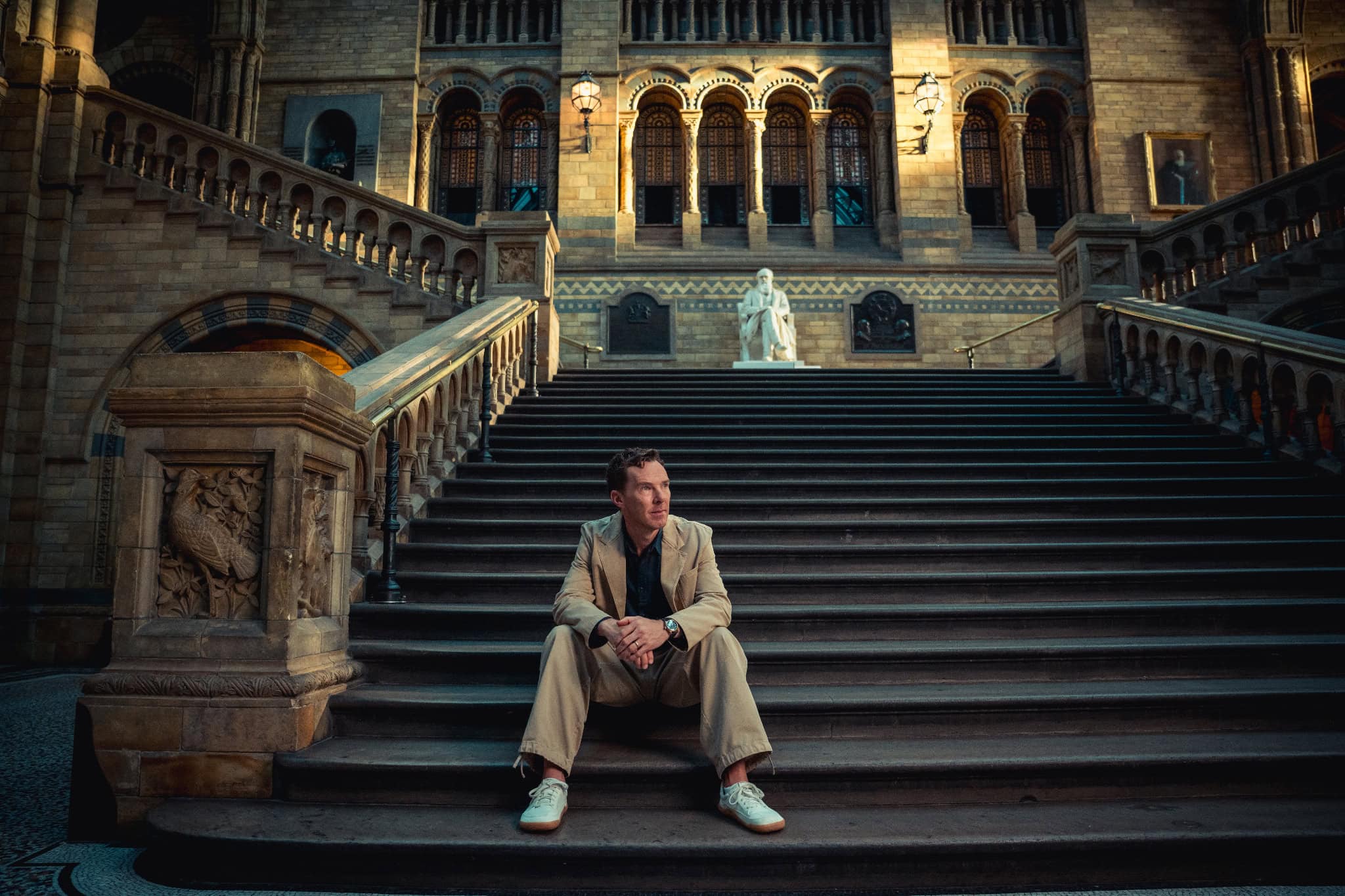
Benedict Cumberbatch guides us through a film about how we can continue living on this planet. “How to Live on Earth” offers no end-of-the-world spectacle. Its premise is more radical: we do not need to save the Earth. We need to learn how to live on it.
Words: Nina Prehofer
Dan O’Neill has a job many people might envy. The biologist and wildlife filmmaker disappears into the rainforest for weeks, follows the tracks of big cats and works in places without roads, Wi-Fi or mobile reception. In “How to Live on Earth”, the documentary directed by Fredi Devas, we see him back in London after one such expedition.
He switches on his phone. Messages and emails arrive; the world makes itself heard again. And O’Neill realises he has not missed the noise. He misses the forest.
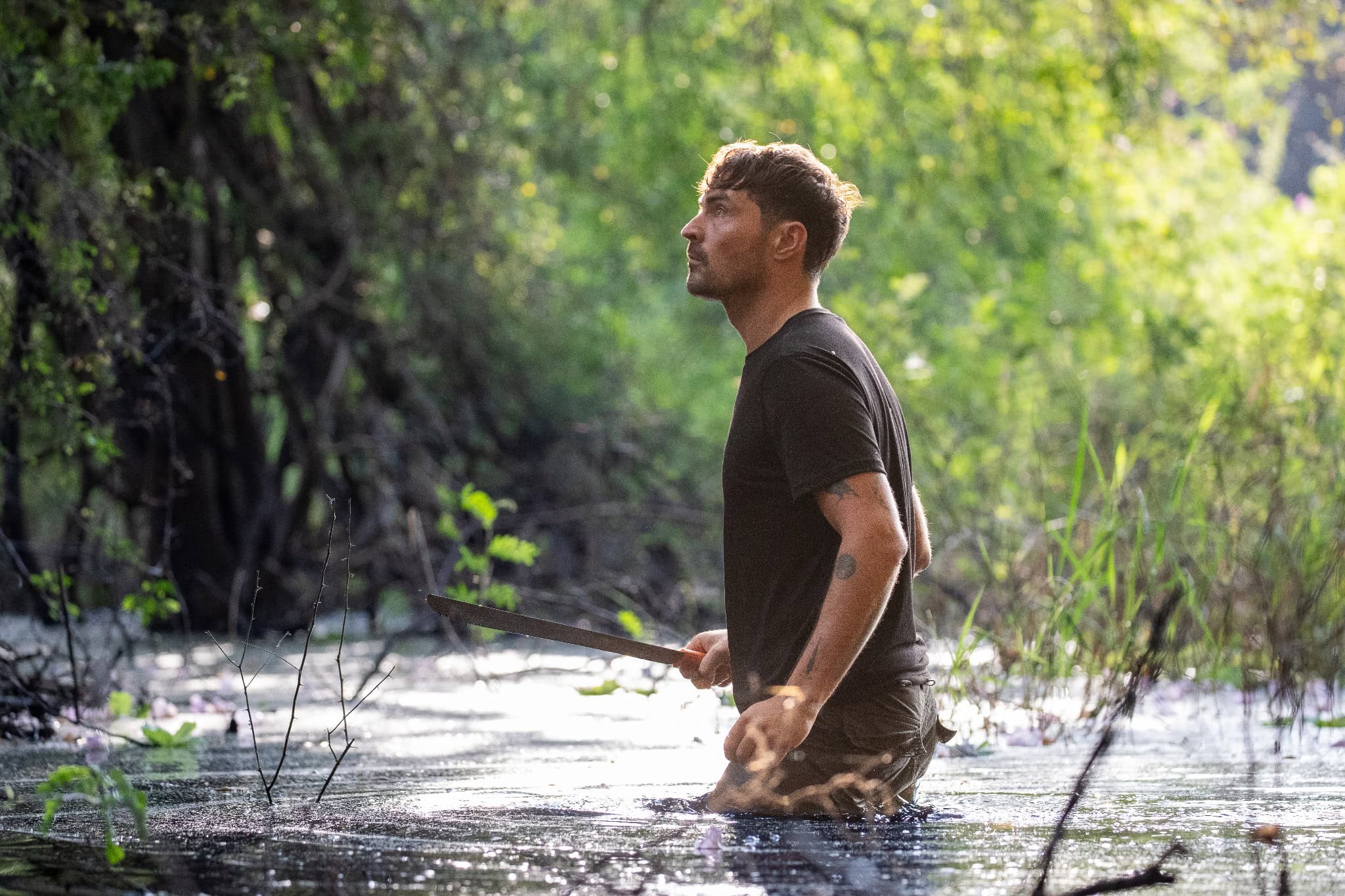
It is a small scene in a film concerned with some very large issues: climate change, biodiversity, food, finance and how a growing human population can preserve the foundations of its existence.
Yet “How to Live on Earth” does not tell the ecological crisis as a disaster movie. It follows people. Xiye Bastida, a Mexican climate activist and member of the Otomí-Toltec community, speaks about climate justice and an understanding of nature shaped less by ownership than by relationship. Sam Kass, formerly a White House chef and nutrition adviser under Barack Obama, considers how a growing world population can be fed without destroying the systems that produce its food. O’Neill brings a third perspective: the direct experience of a world made up of animals, plants, soils and landscapes rather than statistics.
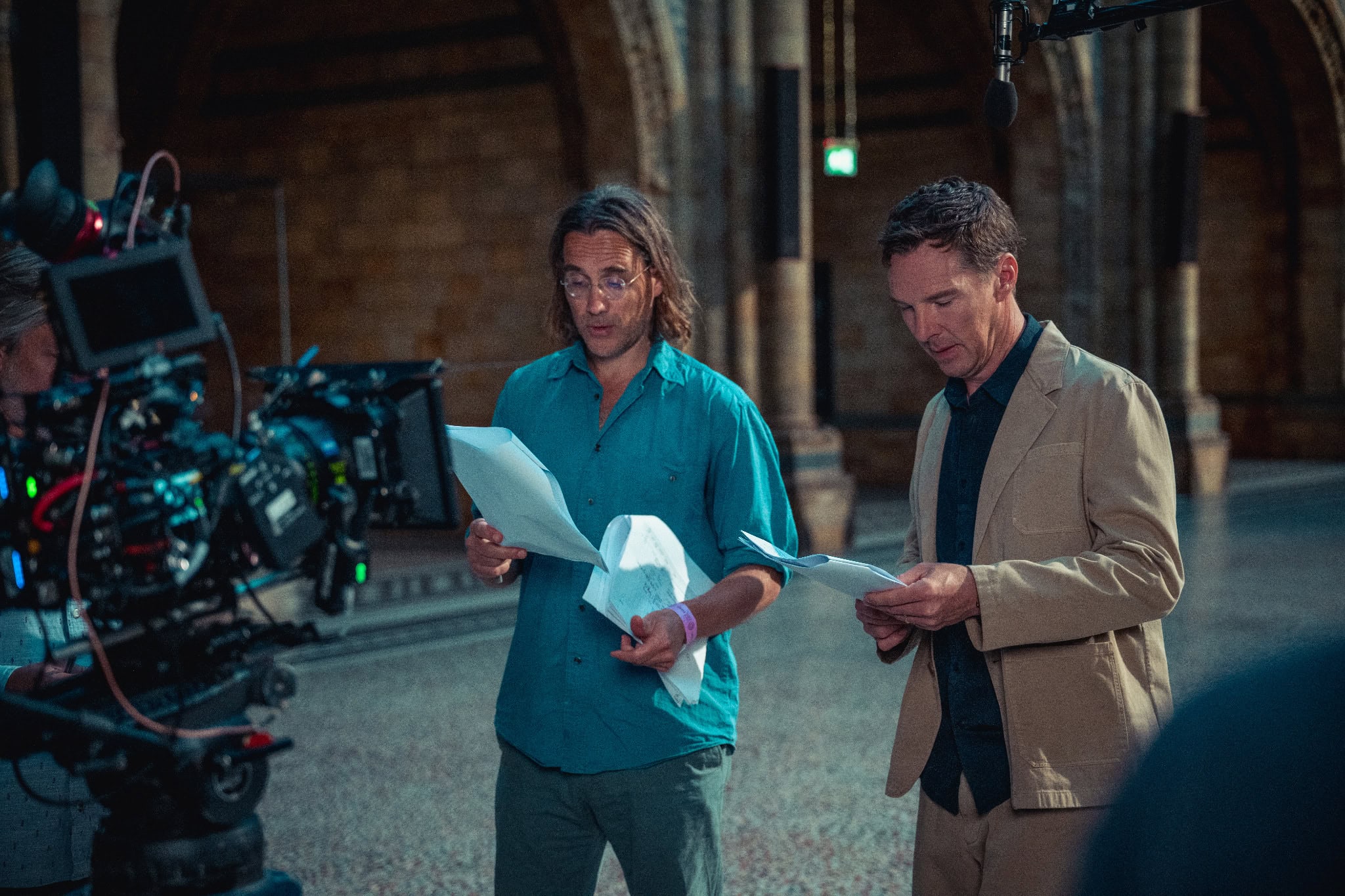
Benedict Cumberbatch draws these stories together. Sitting among the remains of extinct animals in London’s Natural History Museum, the actor asks a disarmingly simple question: how do we actually live on Earth? The setting is well chosen. In the vast Hintze Hall, we stand within a history far older than human civilisation. And the Earth, as we should occasionally remind ourselves, will outlive us. The question is whether we can continue inhabiting it without destroying the conditions that make this possible.
A Future We Can Imagine
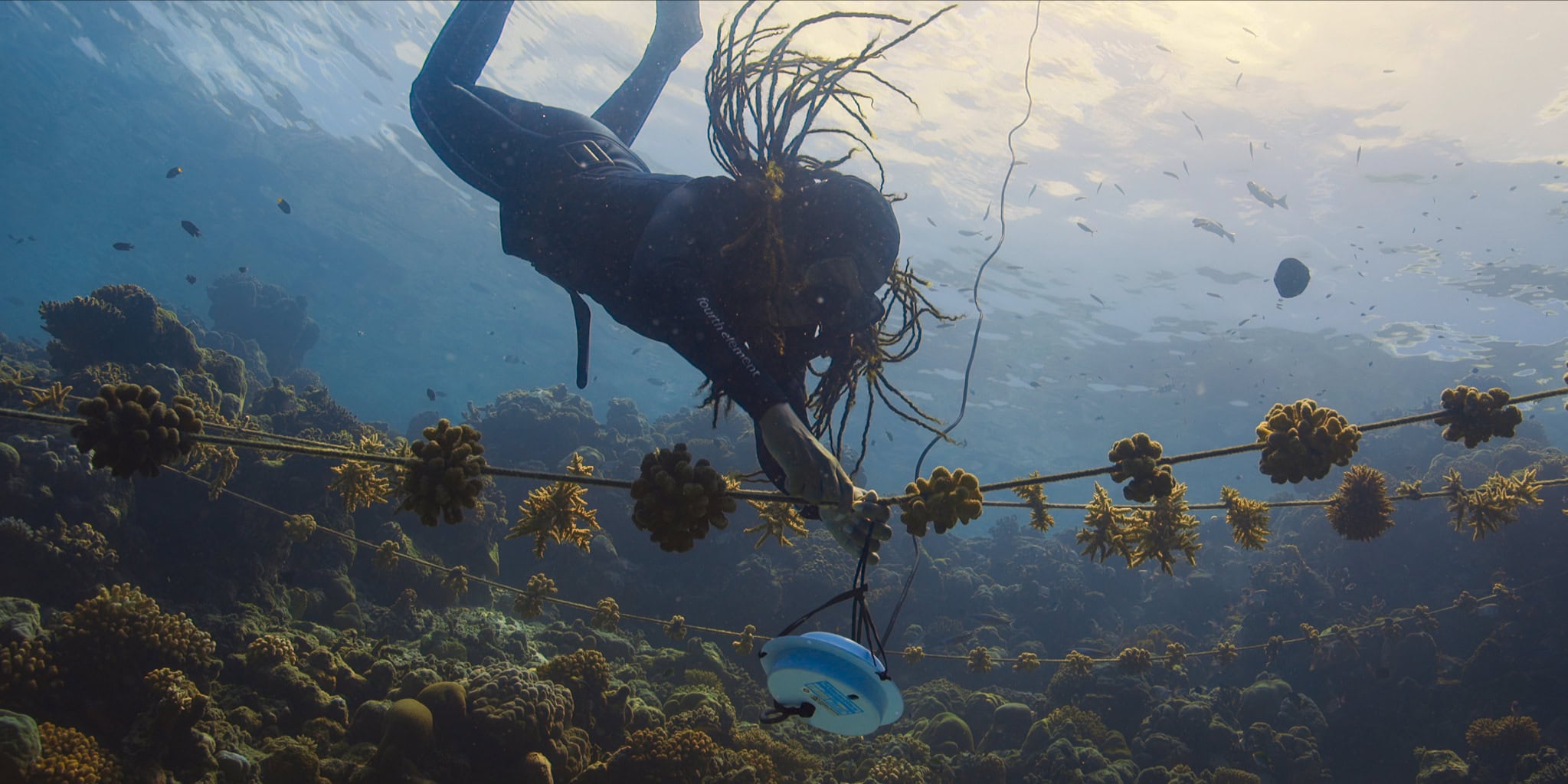
This sounds like a familiar environmental message. It becomes more interesting through the film’s decision not to focus once again on what is being lost. We know the images: melting ice, burning forests, dead coral reefs. We know the numbers. What we increasingly lack is a sense of what a different future might look like. How do we feed billions of people? How can a city become denser and greener at the same time? How can economic value be created without consuming living systems?
“How to Live on Earth” attempts to bring these questions together. At times, this makes the film feel a little too polished. The message is clear, the tone hopeful, some metaphors expansive enough for a motivational film. The objection that such a film is likely to reach mainly those already convinced is an obvious one. But its optimism becomes more interesting when we stop confusing it with good cheer.
It responds to a real exhaustion. We have known for decades what is happening. The warnings grow more urgent, the images more spectacular, yet repetition still numbs us. Even the apocalypse can become background noise. The film therefore turns the ecological question around. Instead of asking how to save the planet, it asks how to organise our lives so that living on this planet remains possible. There is more politics in that question than its friendly tone might initially suggest.
A forest, for instance, tends to become visible in our economic logic when it supplies raw materials. Its ability to store water, protect soils, bind carbon and sustain habitats is accounted for far less effectively. The film therefore explores economic models that regard nature as an asset. This is a delicate idea: once an ecosystem has a price, does that help protect it, or does it finally submit it to the logic of the market? The film does not resolve this contradiction. It does something more useful: it makes it visible.
What Ends Up on Our Plates
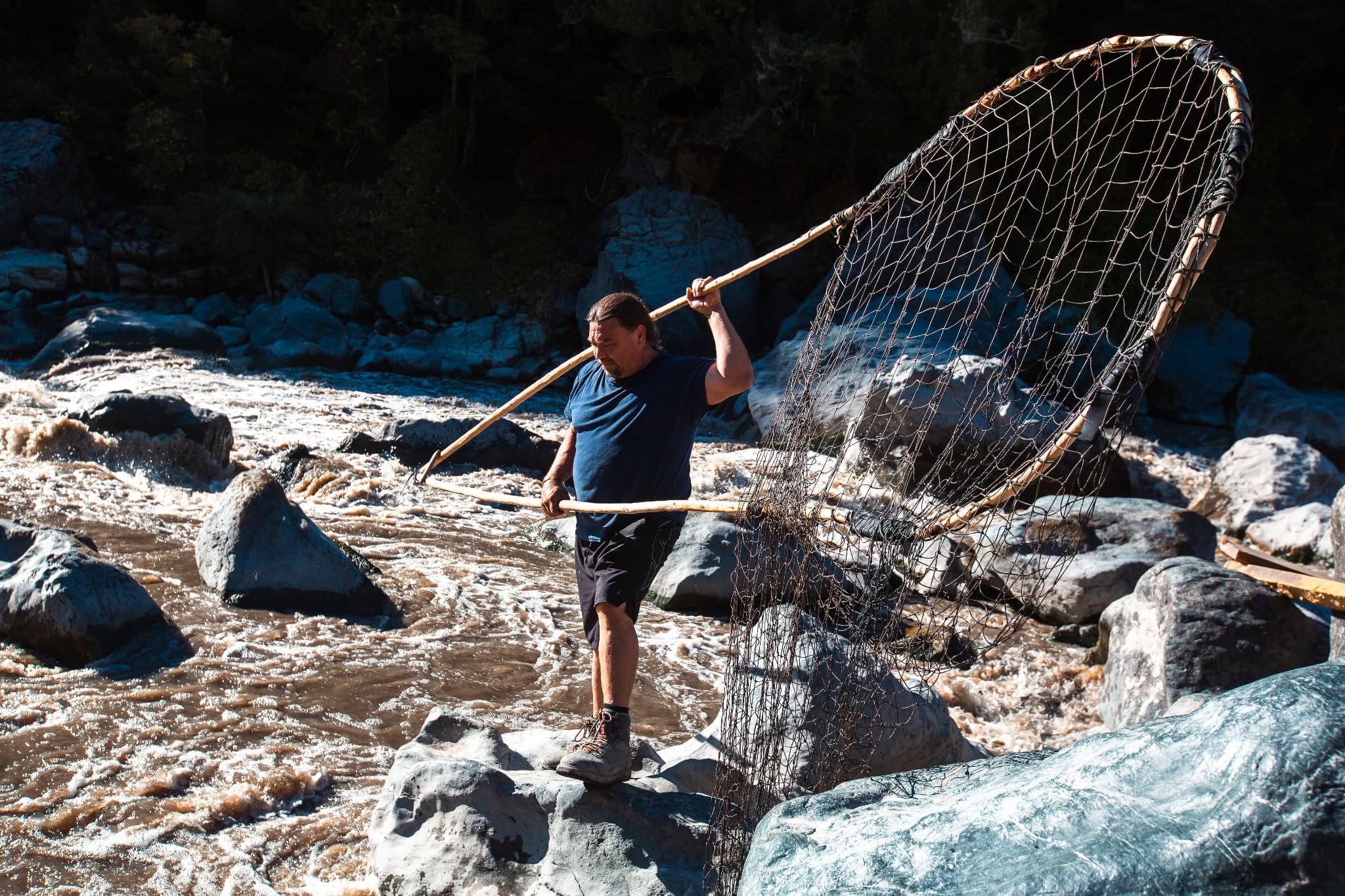
With Sam Kass, the question becomes very tangible. Food is hardly a private matter. What ends up on our plates is connected to land, water, animal farming, supply chains and capital. Kass explores new sources of protein and asks what a food system might look like that feeds people without destroying its own foundations.
Xiye Bastida brings another perspective: for her, the climate question cannot be separated from the world we leave to the next generation. O’Neill needs no grand theory to make that connection. For him, the difference between a rainforest and a smartphone screen is enough.
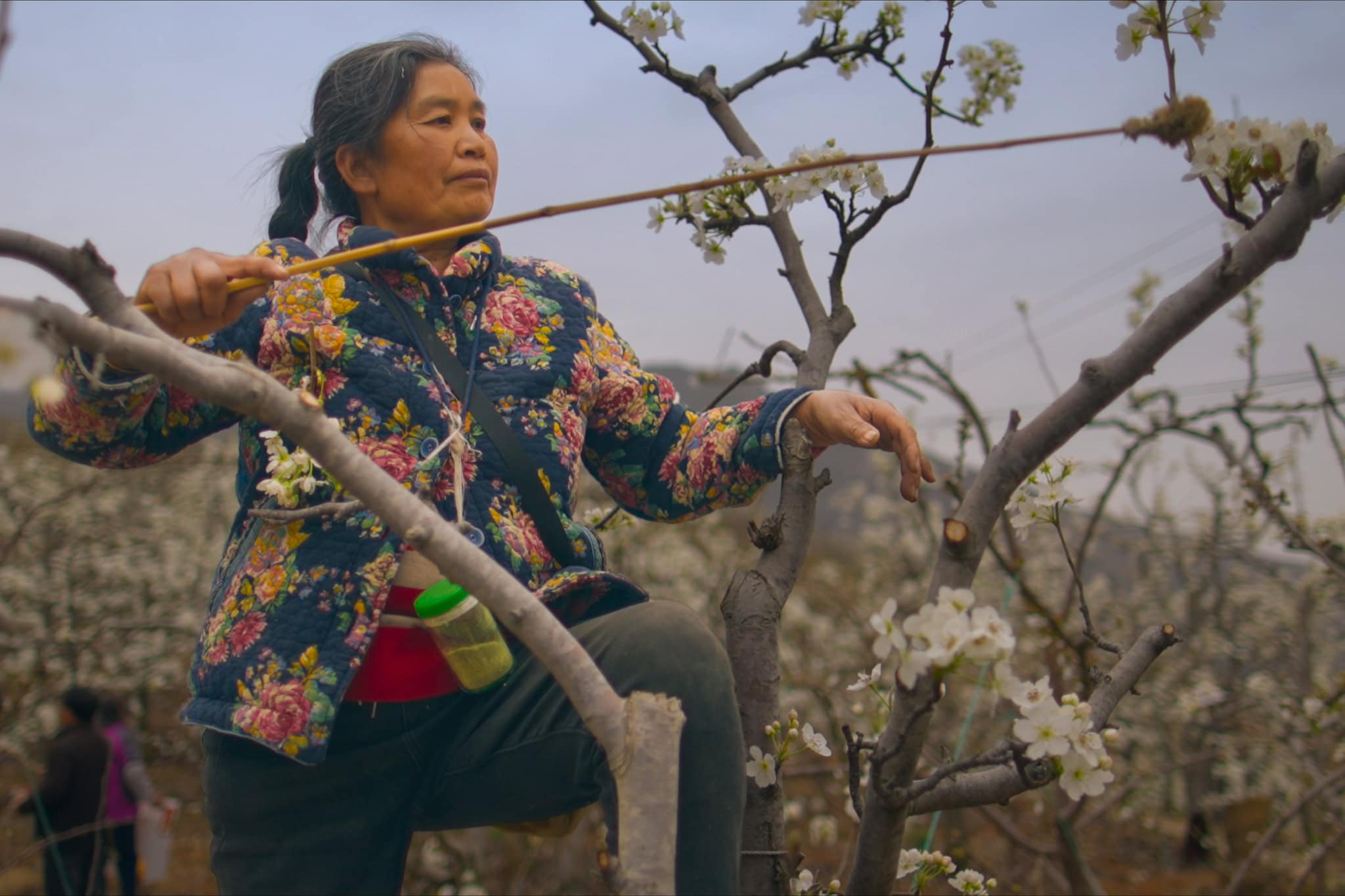
These different approaches prevent the film from becoming a straightforward environmental sermon. It speaks about economics, but also perception. About food and belonging. About cities, and what it means to retain any relationship with the world we inhabit. Nature emerges as the infrastructure of human life rather than its decorative backdrop. A forest is not simply scenery. A river is not just a blue line on a map. Soil is not neutral ground. All these things perform vital functions. They keep the world running while we have grown accustomed to taking their work for granted.

Cumberbatch himself is, of course, part of the film’s contradiction. An internationally active actor, he belongs to an industry that is anything but sparing with resources, while speaking about the need to live differently. That is precisely what makes him interesting as a narrator. The ecological question must cease to be a specialist concern for those already attuned to it.
The Ecological Question Belongs in Culture
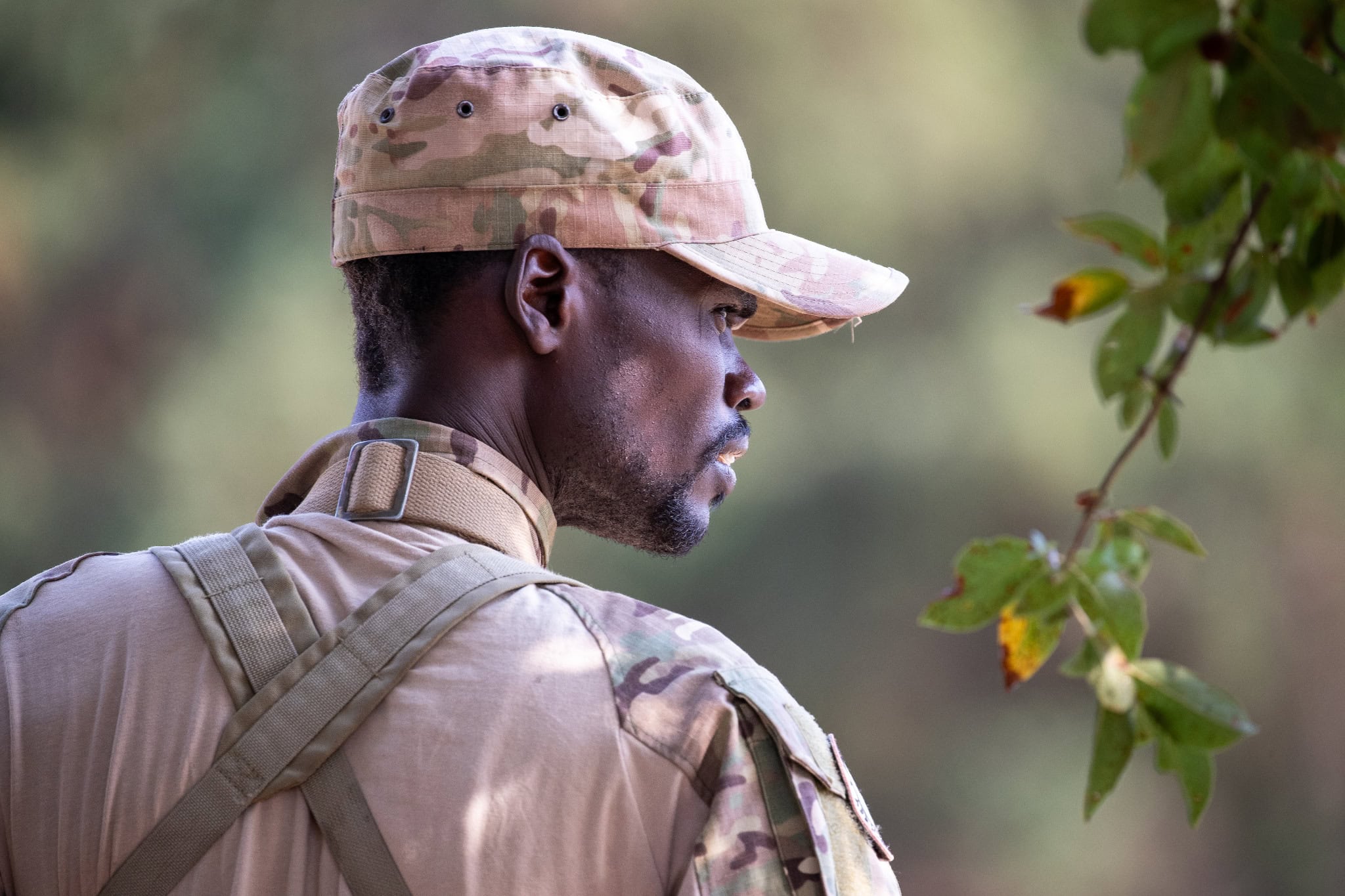
It needs to enter mainstream culture: films, entertainment, architecture, food, economics and popular culture. “How to Live on Earth” aims to do just that. The film can be watched free on YouTube via its official website. It is not perfect. It does not have to be. Sometimes it is too friendly, sometimes too convinced by its own message. Some solutions inevitably remain sketches. But perhaps that matters less than the question it puts into circulation: how do we live on Earth? Not at some distant point, but now.
Dan O’Neill is back in London. The phone rings. The digital world has returned. For a moment, it becomes clear what this film, with all its big themes, wants to say: the ecological crisis is not only a question of CO₂, species loss and economics. It is also a question of our relationship with the place we live.
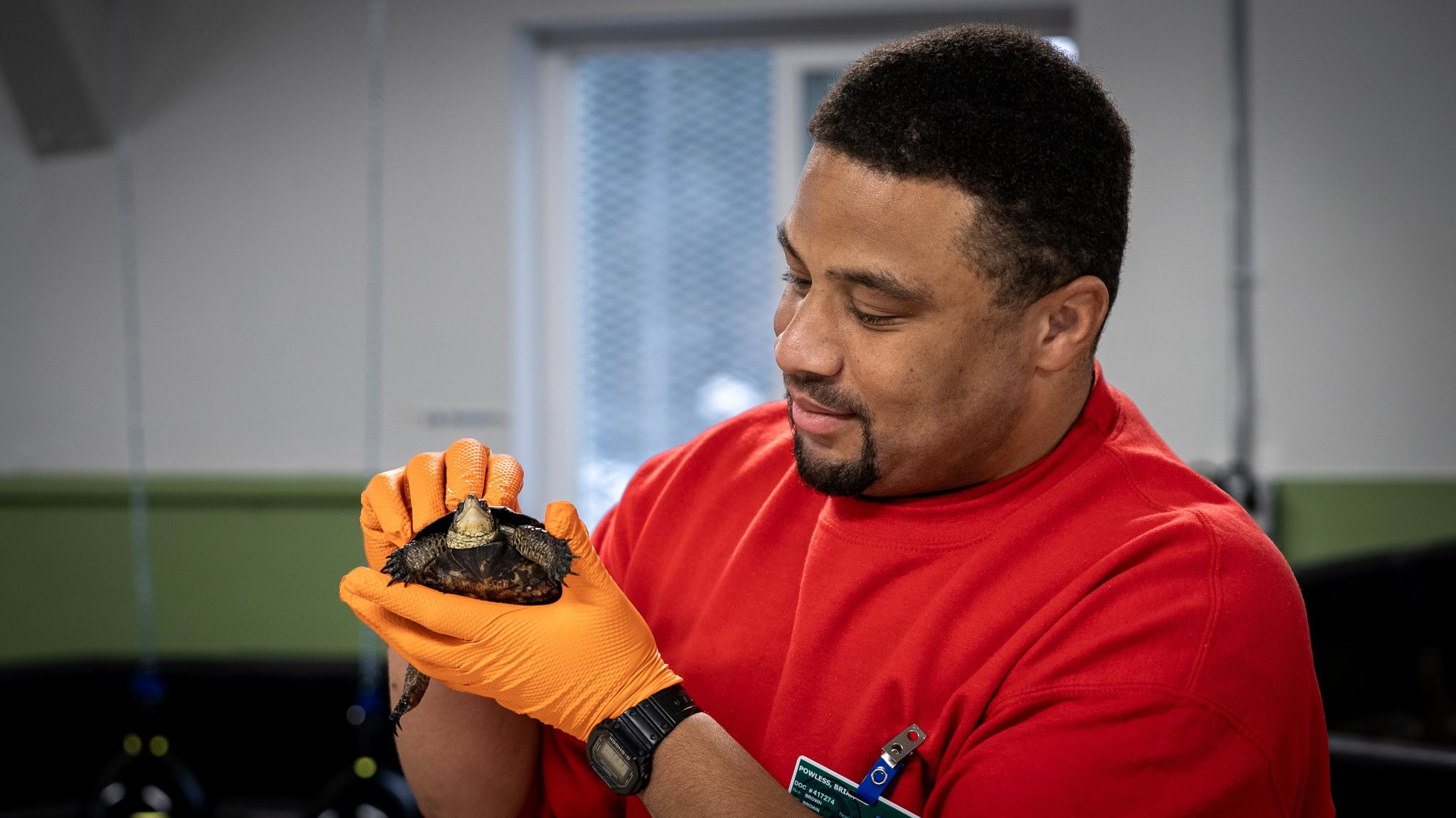
The Earth is not a hotel. We cannot check out when the conditions no longer suit us. We have to learn to stay.
Photography: Conor McDonnell, Open Planet Studios / Fredi Devas.