


The Zetter does not approach boutique hospitality as a reproducible design concept, but as a collection of individual houses. Following Clerkenwell, Marylebone and The Zetter Bloomsbury, which opened in April 2026, the British group will venture beyond London for the first time in 2027 – into a historic canal house in Amsterdam.
There are hotels whose design can be recognised in every destination. And then there is The Zetter. Rather than copying a single visual identity from one address to the next, the British hotel group follows a shared philosophy: each property should feel like a private residence that has evolved over many years.
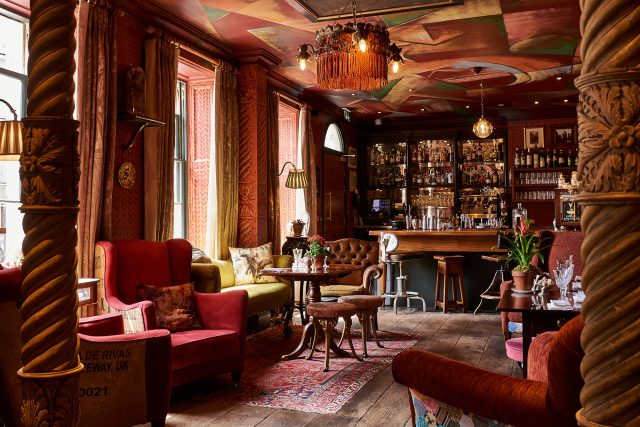
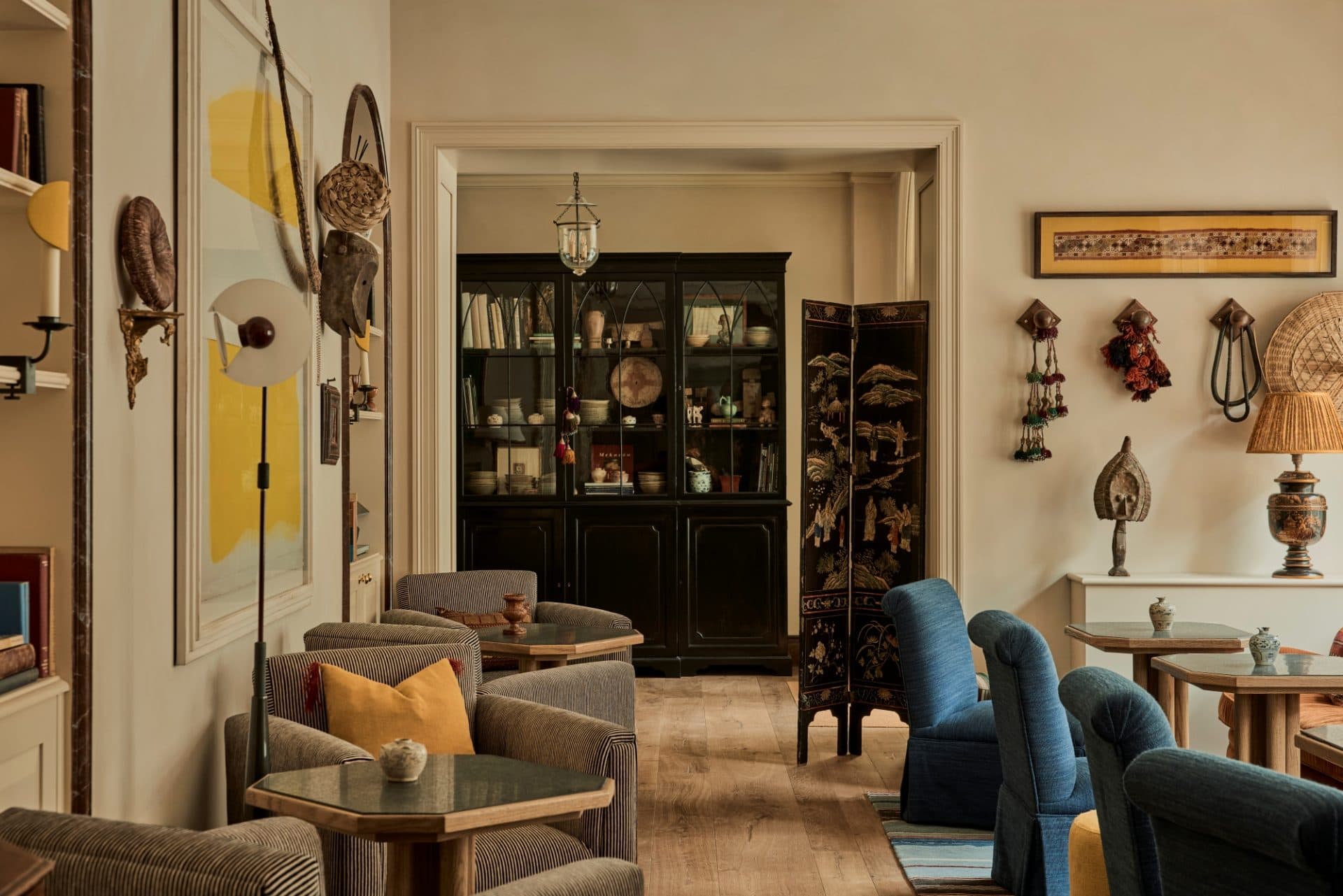
Antiques sit alongside contemporary art, patterned fabrics meet faded timber, and book-lined rooms lead towards exceptionally well-stocked bars. Nothing appears too perfectly coordinated – and that is precisely where its sophistication lies. The Zetter calls this approach “timeless imperfection”: an imperfection that gives rooms warmth, personality and credibility.
Hotels with Personalities of Their Own
The properties in Clerkenwell, Marylebone and Bloomsbury each possess a distinct identity. Rather than being united by a recurring aesthetic, they share the sensation of staying in an extraordinary private home.
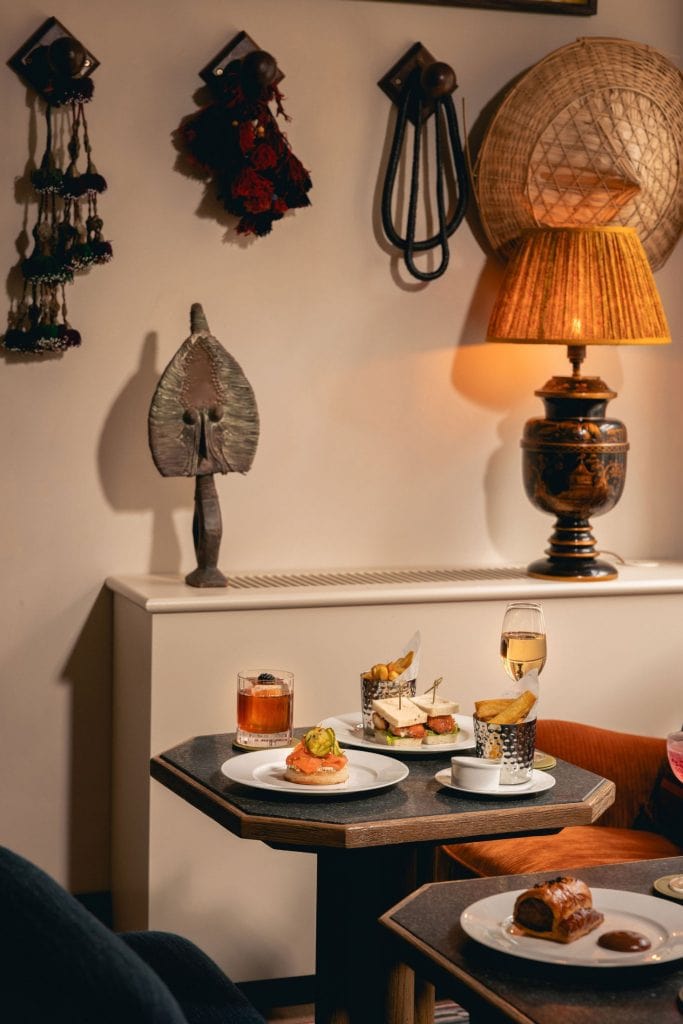
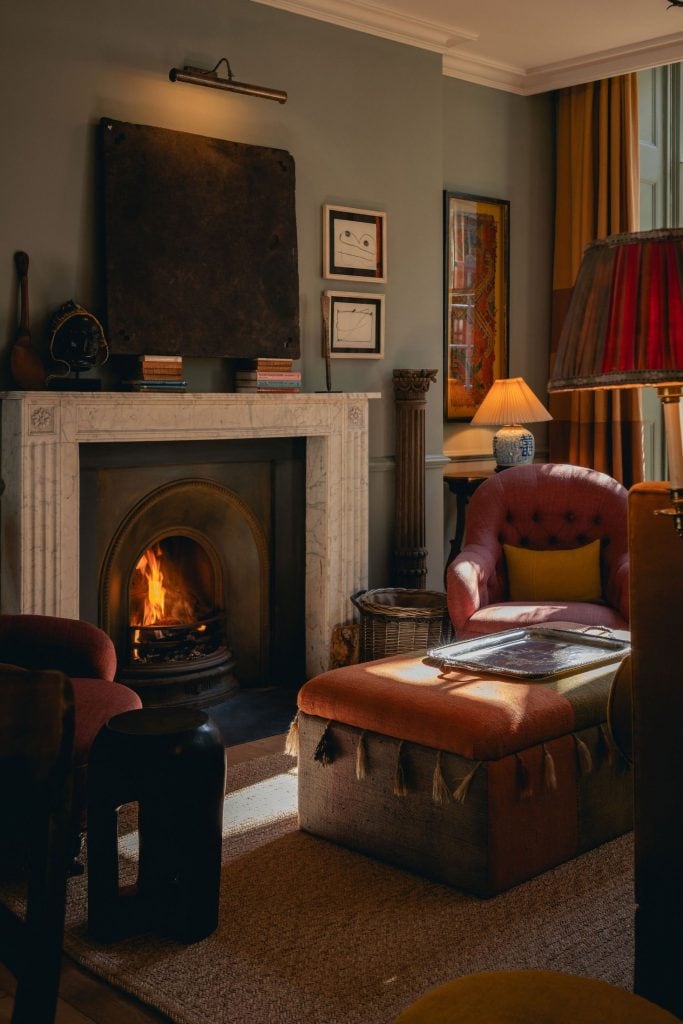
The Parlours play a central role. Replacing the conventional hotel lobby, they are salons in which guests have breakfast, meet friends or settle in for a cocktail. They are deliberately open to more than hotel residents, transforming the properties into animated neighbourhood destinations frequented by Londoners as well as travellers.
The Zetter therefore offers more than an overnight stay. It creates a temporary way of life: cultured, slightly eccentric, unmistakably British and never excessively staged. Luxury is found not in acres of marble or conspicuous perfection, but in atmosphere, generosity and details that carry a story.
Bloomsbury: At Home with an Imaginary Collector
The full potential of this idea can be seen at The Zetter Bloomsbury, which opened on 1 April 2026. The hotel occupies six interconnected Georgian townhouses on Montague Street, directly opposite the British Museum and close to Russell Square.
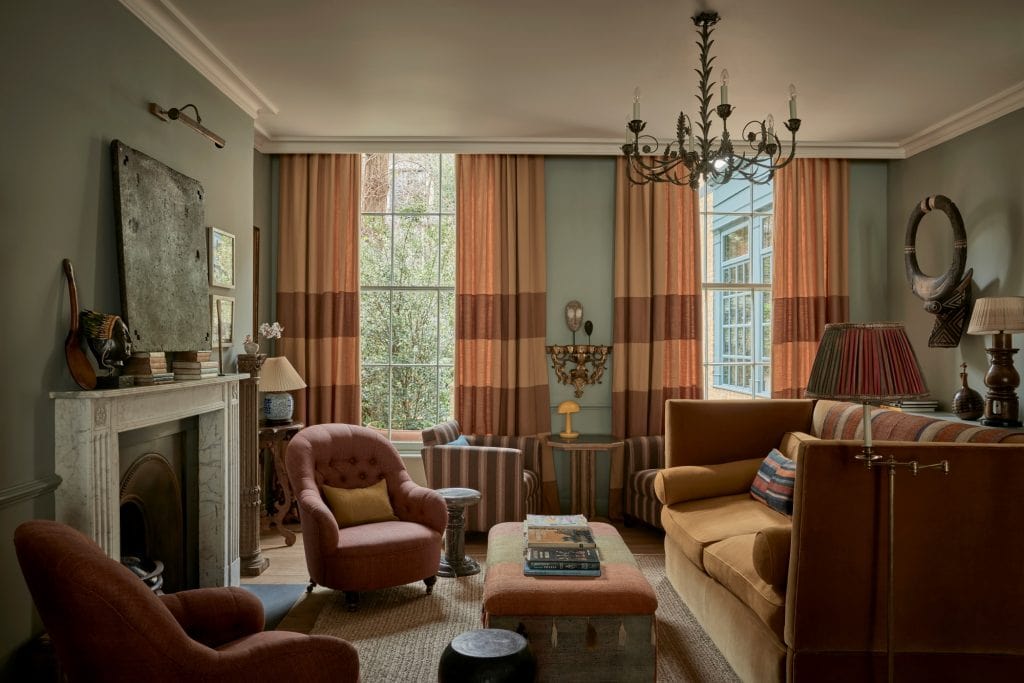
With 68 rooms, Bloomsbury is the group’s most ambitious property to date and its first new hotel in approximately a decade. Yet despite its scale, it does not feel like a conventional city hotel. Interior designer James Thurstan Waterworth, who trained under Martin Brudnizki before helping shape the Soho House aesthetic as European Design Director, conceived the hotel as a “Collector’s Residence”: the home of an erudite and well-travelled collector.
Furniture, fabrics, artworks and objects were sourced over four years from auctions, antique dealers and markets. European antiques meet mid-century pieces, African textiles and bespoke handcrafted details. More than 500 cushions were made from antique fabrics, while Turkish rugs were repurposed as ottomans. The collection includes postwar British art and a library of more than 600 vintage art and auction catalogues.
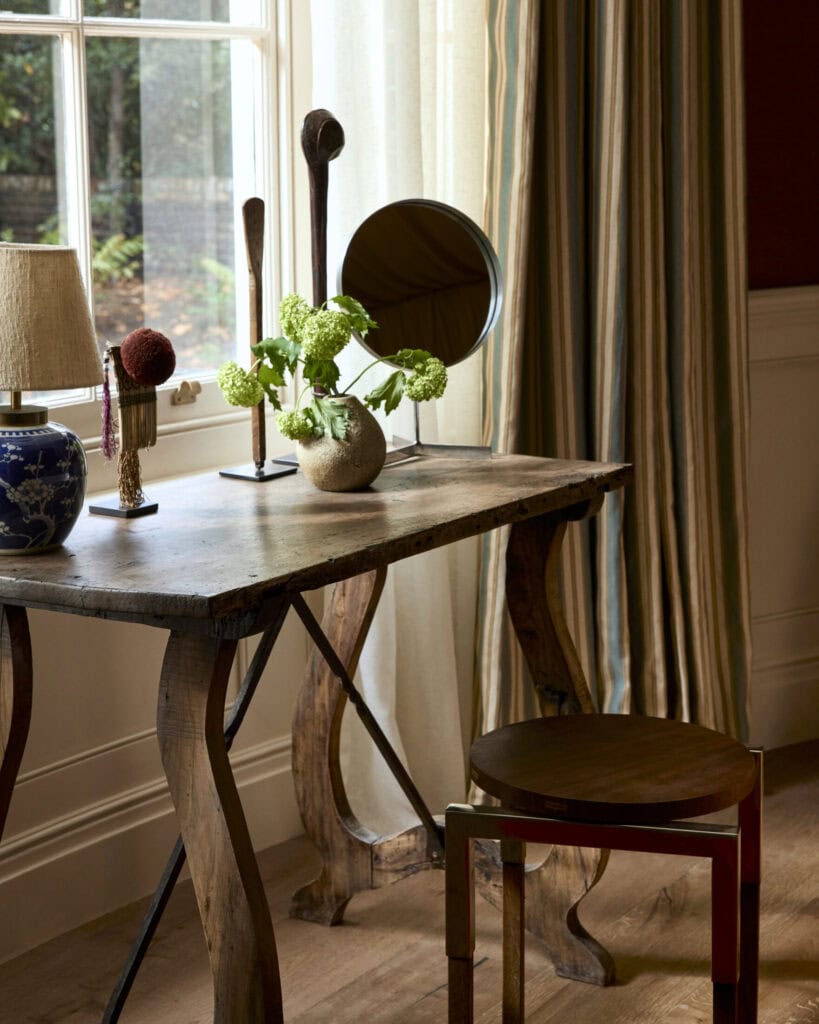
The British Museum is more than a celebrated neighbour. Its presence informs the hotel’s narrative. Display cabinets, books, textiles and collected objects suggest a private cabinet of curiosities – not as a museum-like production, but as a layered interior that reveals itself gradually.
The Hotel as a Modern Salon
Bloomsbury has long been associated with writers, artists and intellectuals. Virginia Woolf, E. M. Forster and John Maynard Keynes remain inseparable from the area’s cultural identity. The Zetter translates this tradition of conversation and exchange into contemporary hospitality.
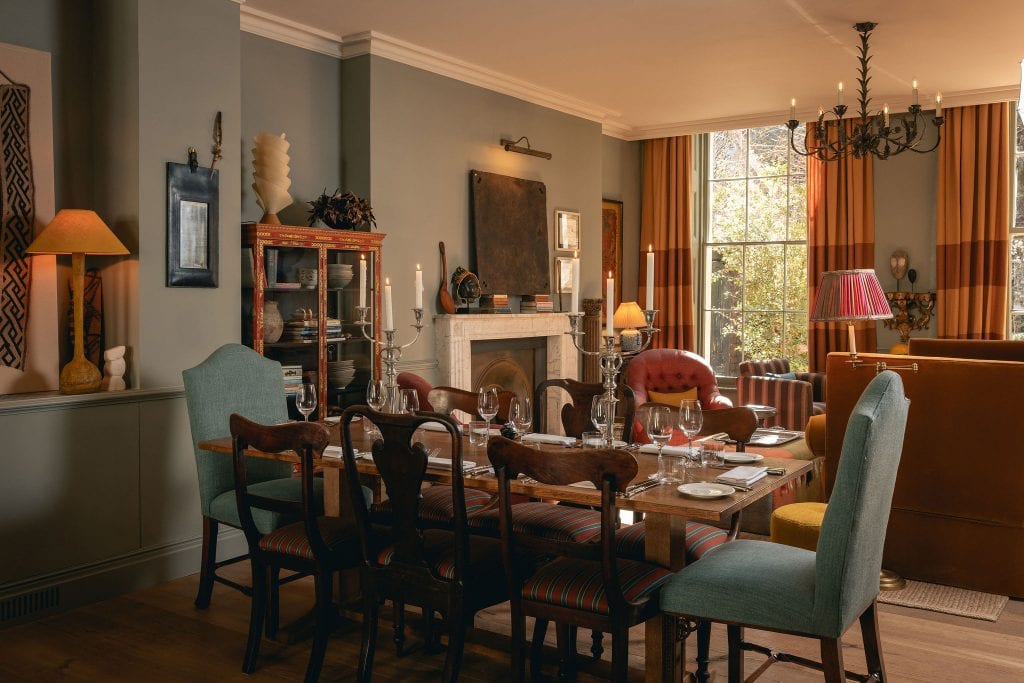
The Parlour serves cocktails and small plates, while the light-filled Orangery opens onto the garden. Breakfast, afternoon tea, summer dining and guest-chef residencies are intended to attract not only travellers but also the neighbourhood’s creative community.
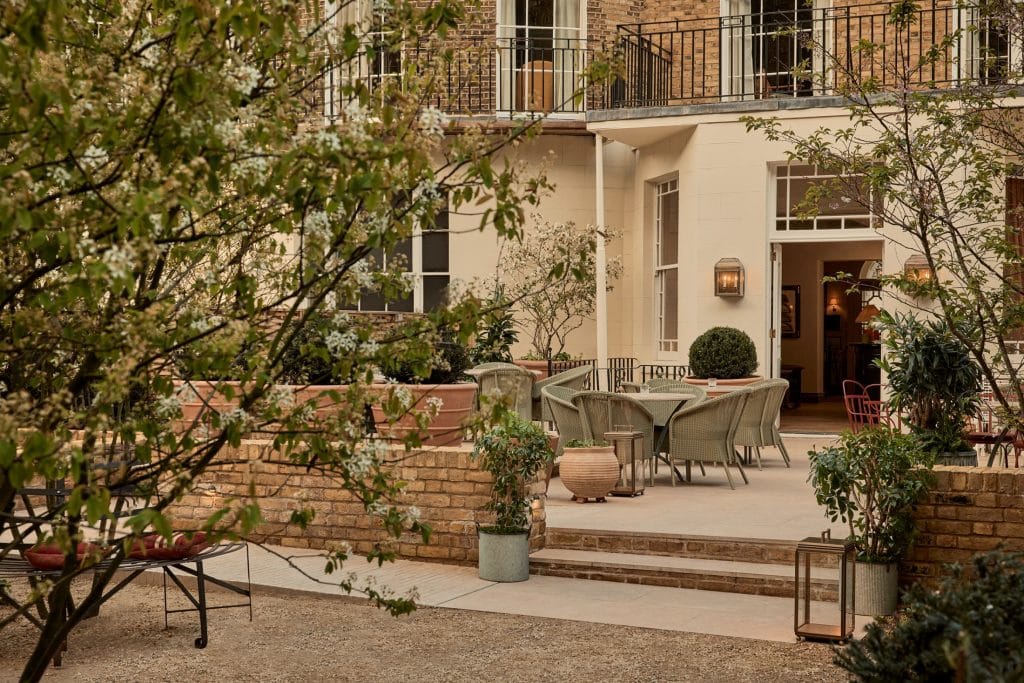
One of the property’s defining features is its private garden of approximately 1,000 square metres. Landscape designers Harry and David Rich transformed a previously flat site into a secluded retreat combining British tradition with subtle Japanese influences. An outdoor yoga terrace adds an unexpected sense of calm in the middle of London.
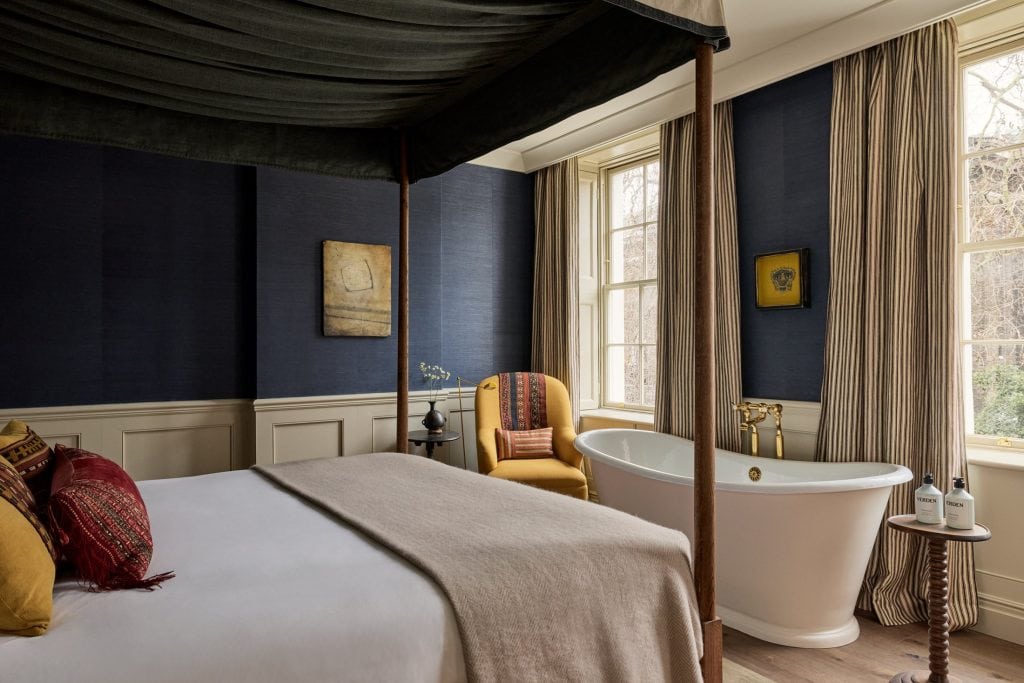
The bedrooms range from intimate, wood-panelled retreats to the Terrace Suite, with its four-poster bed, freestanding bath and wraparound terrace. No two rooms are intended to feel identical. The irregular layouts of the six former homes have been retained as part of the hotel’s character.
Why Amsterdam Is the Logical Next Step
In early 2027, The Zetter will move beyond the United Kingdom for the first time. The Zetter 717 Amsterdam will occupy a canal house on Prinsengracht, within Amsterdam’s UNESCO-listed Canal District. With only 24 bedrooms, the five-star boutique hotel will remain deliberately intimate.

Amsterdam is a fitting choice. Like London, the city combines historic architecture with an internationally oriented creative culture. More importantly, the building contains exactly the kind of substance from which The Zetter constructs its narratives. Its principal structure was built in the Empire style in 1810, while the rear section dates back to the 17th-century Dutch Golden Age.
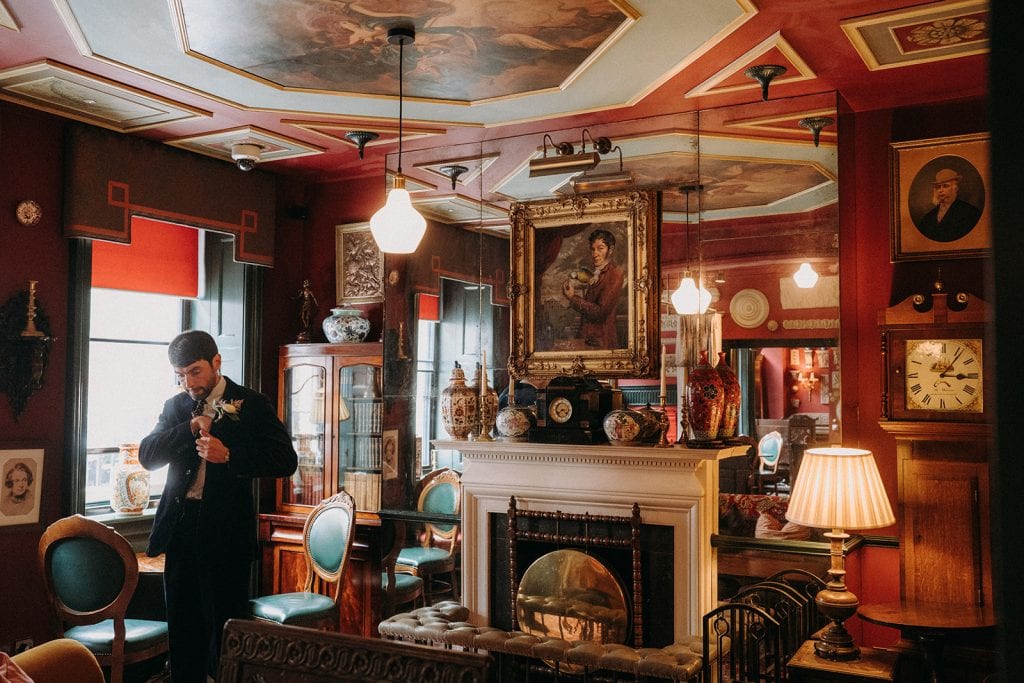
Amsterdam therefore allows the brand to expand without compromising its philosophy. The group does not need to export a theatrical version of Britishness. Instead, it can demonstrate its real strength: interpreting a historic building, preserving its idiosyncrasies and developing a new identity rooted in its location.
James Thurstan Waterworth has again been commissioned to oversee the interiors. Aged brass, reclaimed timber, antique mirrors and rich textiles will create rooms that feel collected rather than decorated. The botanical Garden Room will overlook the private garden at breakfast, while the Library – lined with books and layered in rust, burnt terracotta, aged brass and reclaimed oak – will offer drinks and small plates.
The property will be led by General Manager Yara Al Hattouni. The emphasis placed on her local knowledge is significant: Amsterdam is not intended to become a Dutch replica of Bloomsbury, but a hotel shaped by the city’s particular energy and character.
Growing Without Losing Individuality
The Zetter 717 Amsterdam may become a blueprint for the group’s future development. The brand is distinctive enough to be recognised, yet flexible enough to respond differently to every building and neighbourhood.
That balance makes The Zetter particularly relevant to contemporary hospitality. While many lifestyle brands become increasingly standardised as they expand, The Zetter is attempting the reverse. It is not a completed concept that travels, but an underlying attitude.
Amsterdam is therefore less the beginning of an international chain than the next chapter in a collection: a new house, another city and an individual story, all connected by the art of making guests feel that they are staying somewhere that has been waiting for them all along.