


“Water, Get Enemy?” reveals a side of Lagos where surfing becomes a language of community, identity and hope.
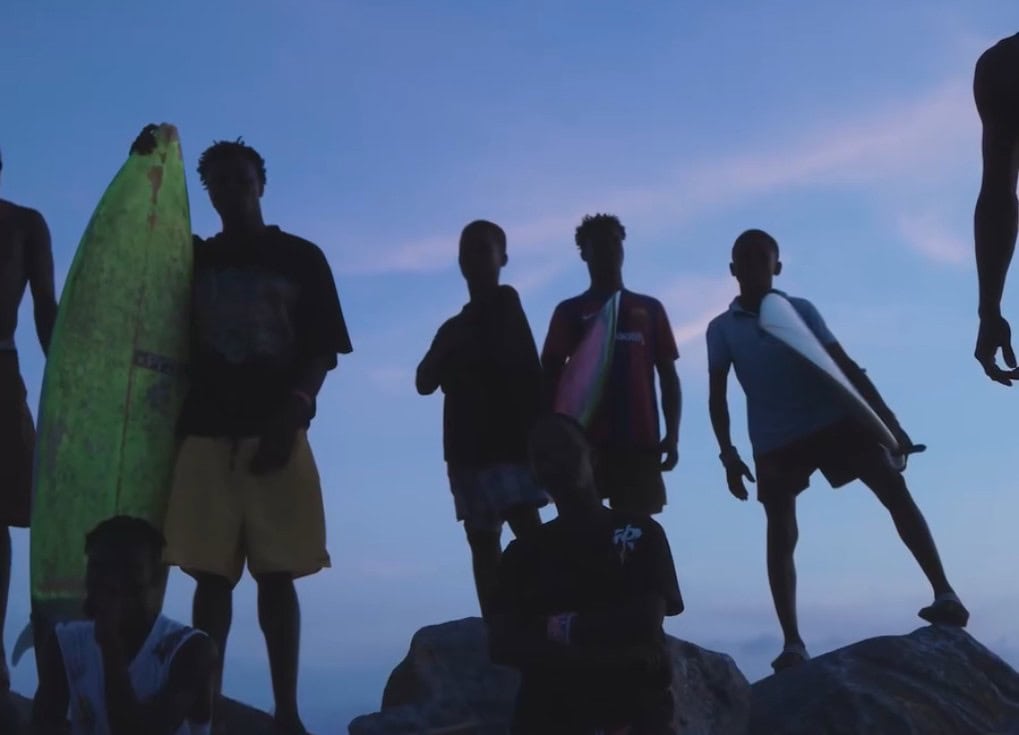
Lagos is often portrayed through its relentless energy and urban intensity. In “Water, Get Enemy?”, Nigerian photographer and filmmaker Daniel Obasi turns his attention elsewhere—to the shoreline of Tarkwa Bay, where a young surfing community has built a different rhythm of life.
Rather than documenting surfing as a sport, the short film explores the ocean as a place of belonging, resilience and self-discovery. Through intimate conversations and quiet observation, Obasi captures a generation whose connection to the Atlantic has shaped not only their skills on the waves, but also their sense of identity.
More Than a Sport
For the surfers of Tarkwa Bay, the ocean represents far more than recreation. It is where lifelong friendships were formed, confidence was built, and a supportive community emerged.
Many have surfed together since childhood, creating bonds that extend well beyond the beach. Obasi places these personal stories at the heart of the film, allowing the people—not the spectacle—to define its emotional power.
“For the surfers of Tarkwa Bay, riding the waves is not simply a hobby—it is a way of life, a source of hope, and an expression of who they are.”
— Daniel Obasi
A Different Story of Lagos
The Atlantic becomes a place of healing, freedom and collective identity. In doing so, “Water, Get Enemy?” reveals a rarely seen perspective on Lagos—one shaped not by speed or struggle, but by optimism, friendship and shared purpose.
The film ultimately speaks to something universal: communities are often created through shared passions. Here, surfing becomes the catalyst for belonging, offering young Nigerians a space where joy, confidence and self-expression can flourish.
Like many of the most compelling stories featured by NOWNESS, the film reminds us that creativity often begins where people discover a place—and a community—they can truly call their own.