
An Artist Between Art, Design and Craft
Some objects refuse categorisation. They exist somewhere between sculpture and furniture, between functional design and artistic expression. This is precisely the territory explored by French artist and designer Alan Louis. His creations feel simultaneously ancient and contemporary, monumental yet intimate, carrying traces of architecture, landscapes and forgotten memories.
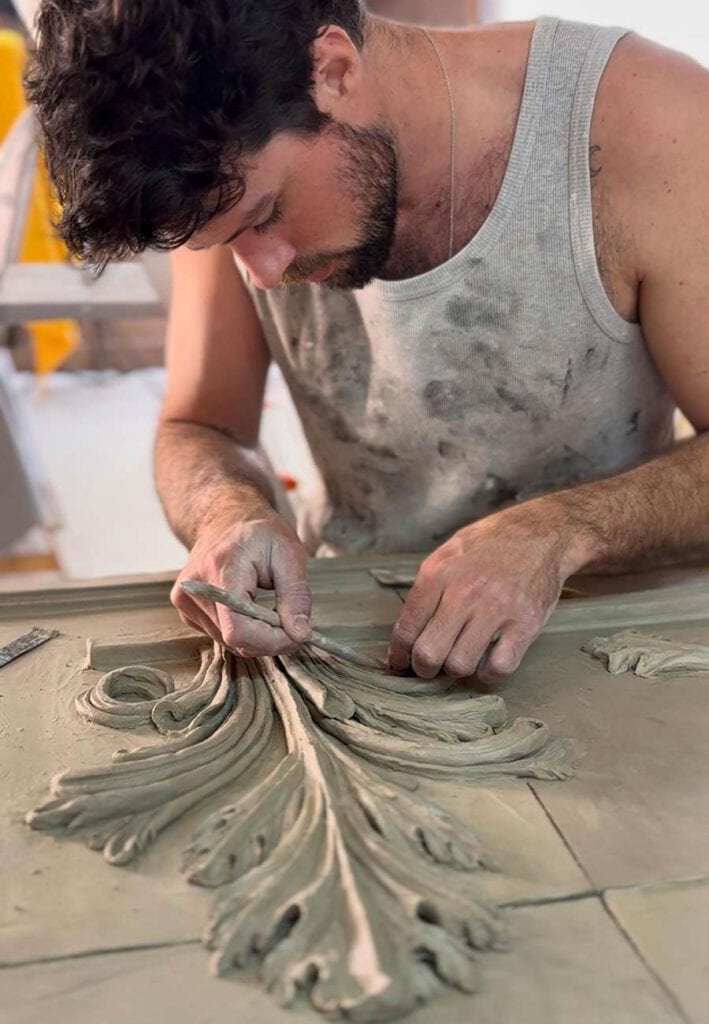
Rather than simply producing collectible objects, Alan Louis creates works that invite curiosity. Every surface, every texture and every form suggests a history waiting to be discovered.
An Unconventional Journey into Design
Alan Louis did not follow the traditional path into the creative world. Before becoming a designer, he worked in the merchant navy, where materials were understood through experience rather than theory. Welding, assembling and repairing became part of his everyday life, shaping an unusually technical understanding of craftsmanship.
That background continues to define his creative process today. Every project begins with an idea but evolves through experimentation, failure, refinement and countless material tests.
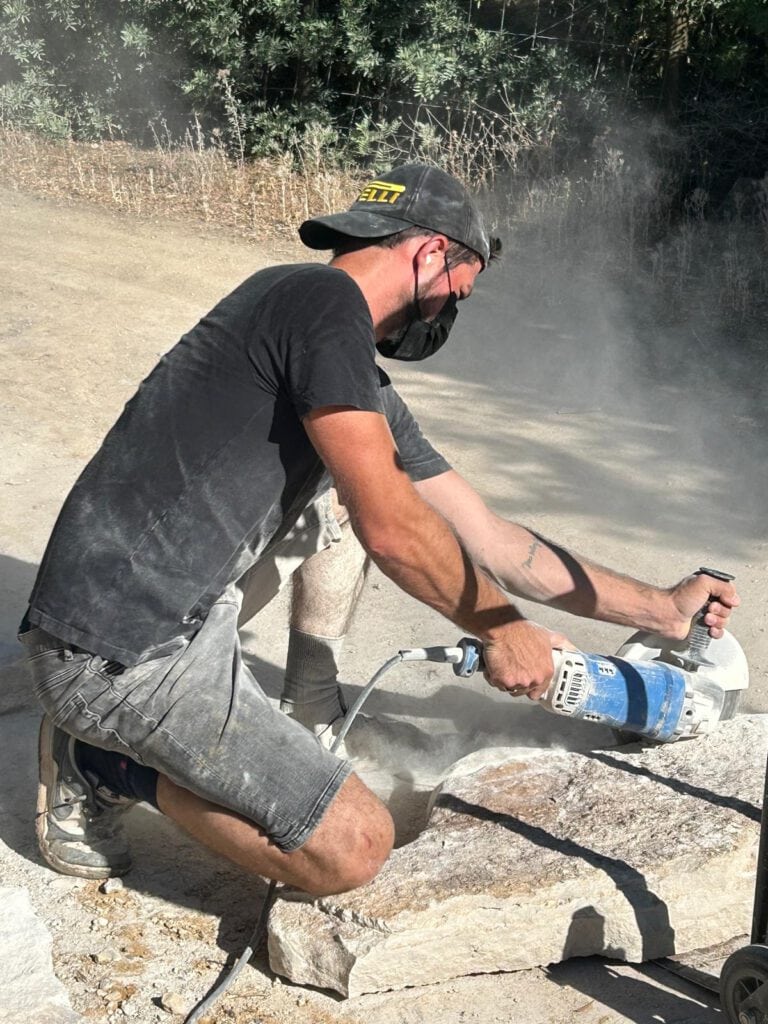
Without formal design training, Louis approaches every object with remarkable freedom. Rather than following established rules, he allows intuition to guide the dialogue between concept and material.
Ceramic Without Limits
Ceramic is at the heart of Alan Louis’ work—but rarely in the way one expects.
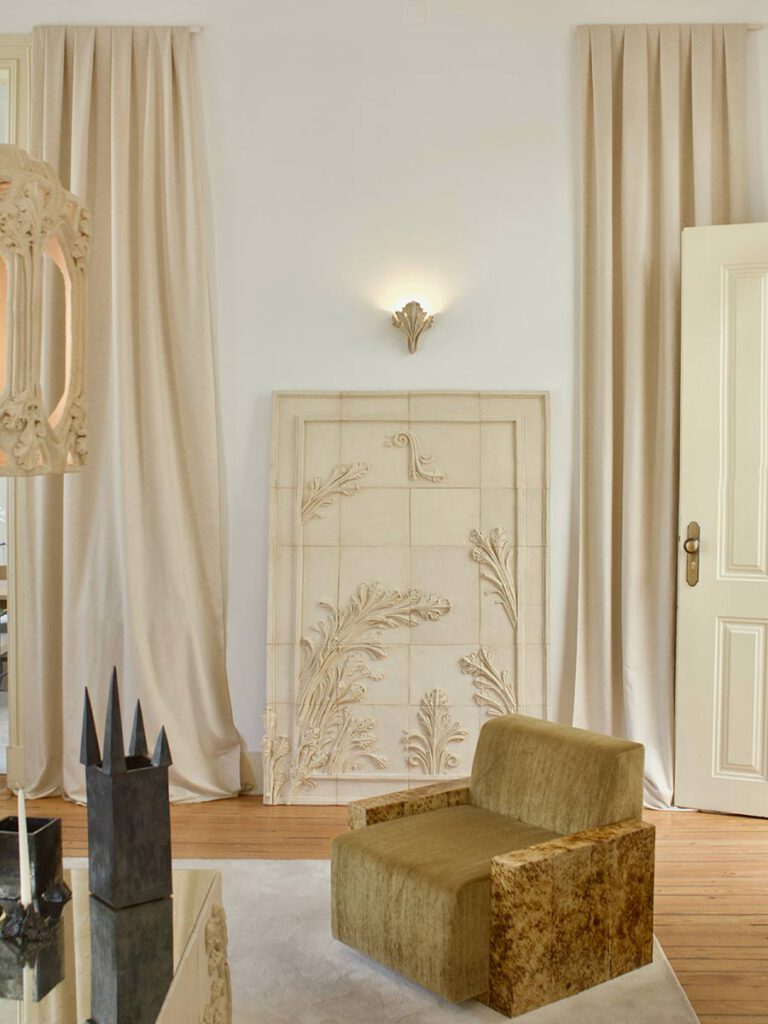
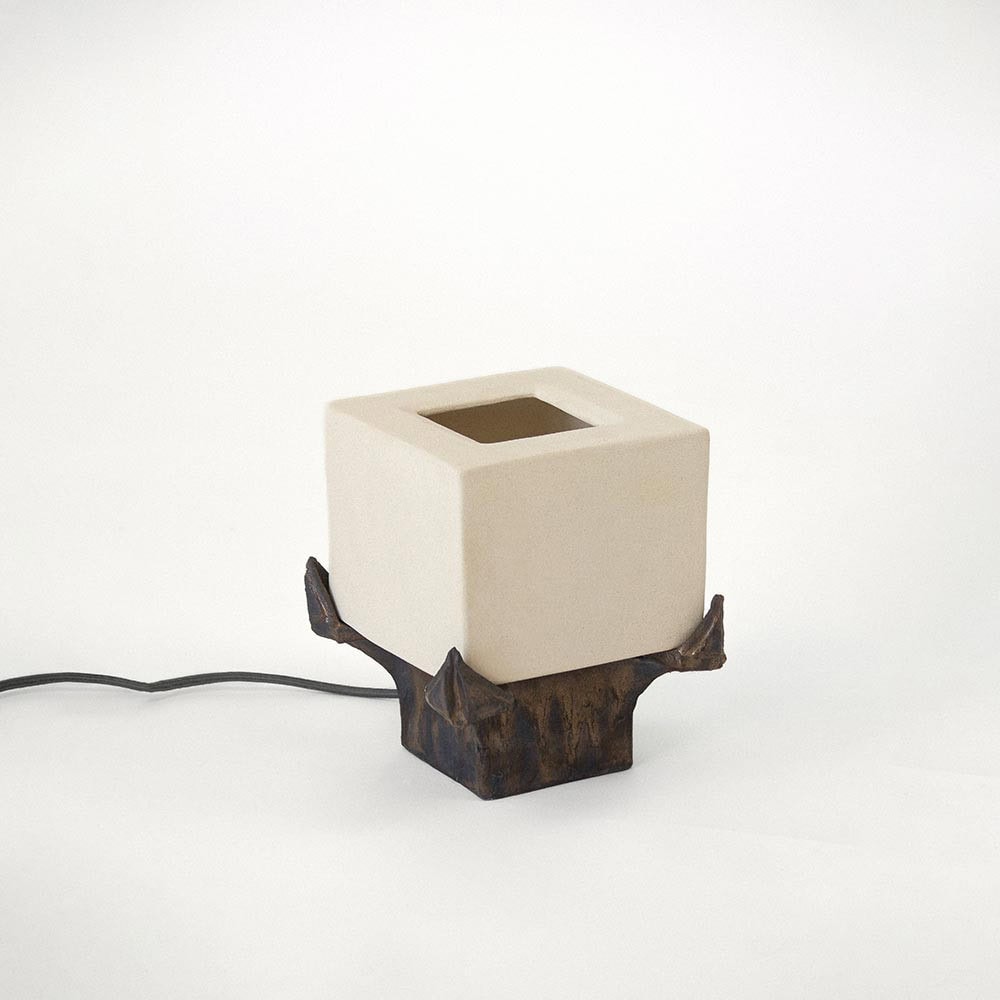
Surfaces that resemble aged copper, weathered wood, cork or oxidised steel reveal themselves, upon closer inspection, to be ceramic enhanced through highly sophisticated glazing techniques.
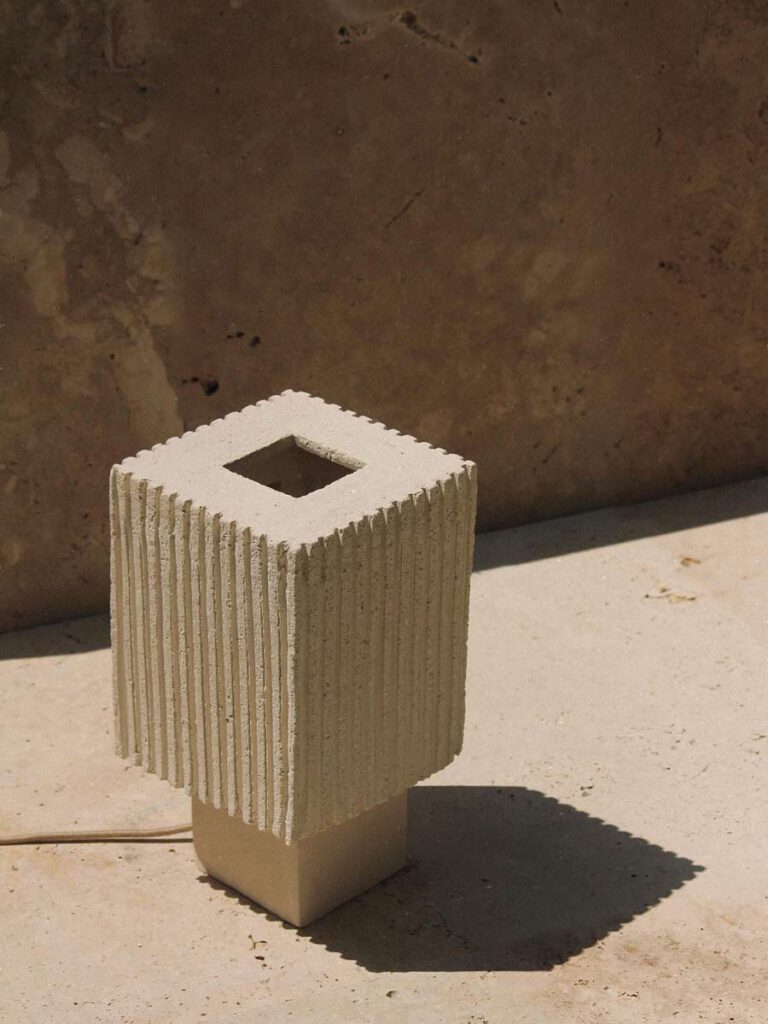
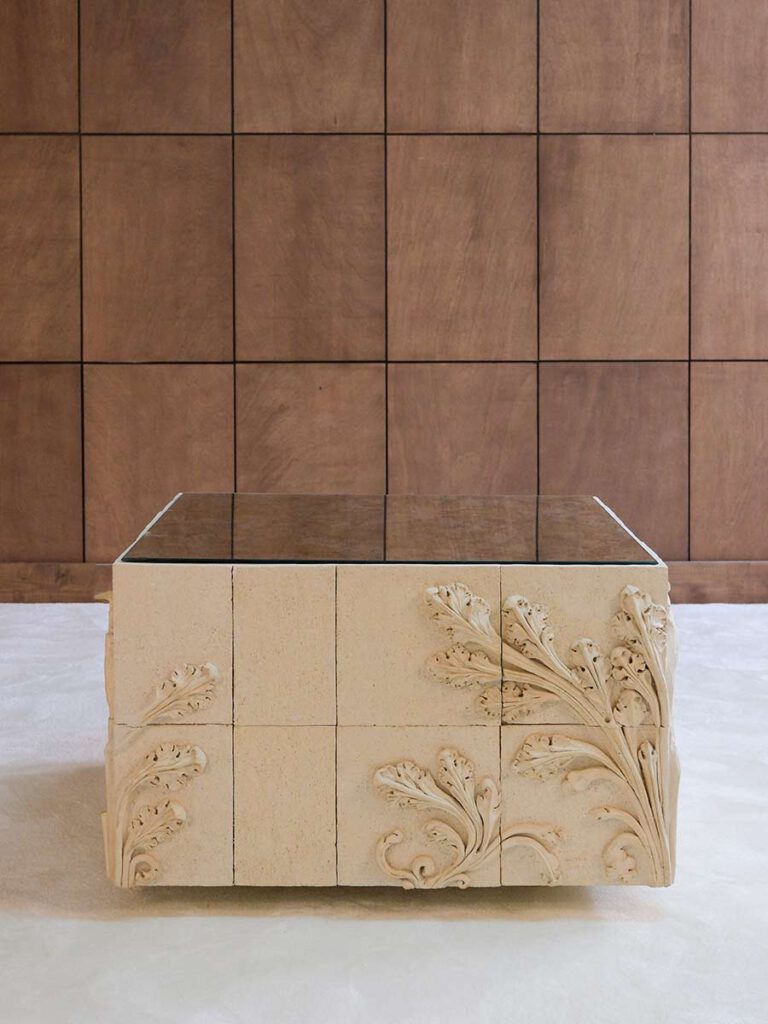
For Louis, this transformation is not simply a visual illusion. It reflects his belief that materials should never be confined to a single identity. Ceramic becomes a medium capable of embodying almost anything, constantly challenging perception.
Portugal: A Place for Reinvention
A decisive turning point came when Alan Louis relocated to Portugal during the pandemic.
What could have been a period of uncertainty became an opportunity for reflection and reinvention. Immersing himself in Portugal’s rich ceramic heritage, he discovered a cultural tradition that perfectly aligned with his growing fascination for the material.
Today, he works in Ribatejo, surrounded by forests, sunlight and the distant Serra de Montejunto. Nature has become an essential source of inspiration, shaping the organic language that characterises much of his work.
Between Nature and Cultural Heritage
His Narciso collection embodies this relationship beautifully.
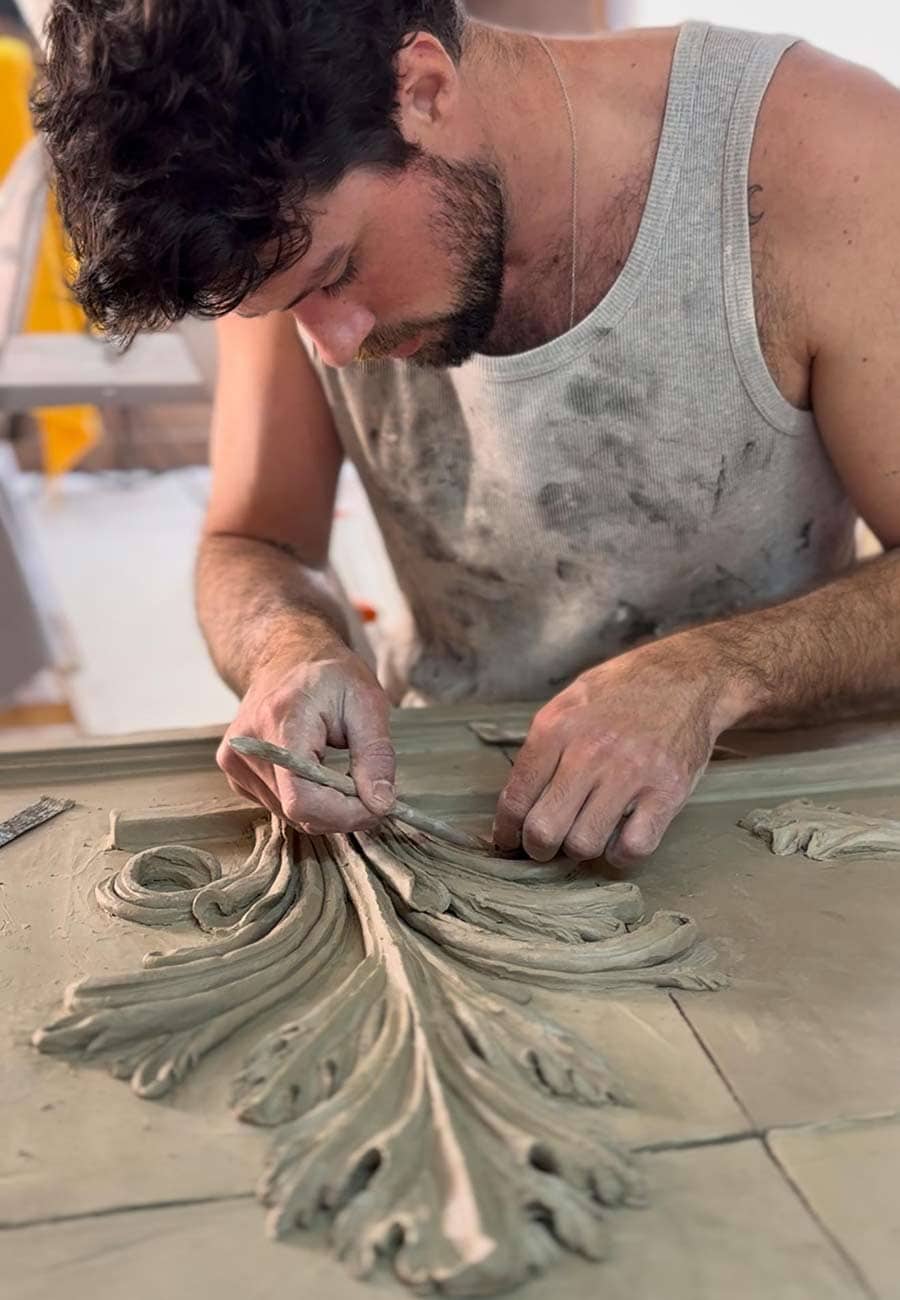
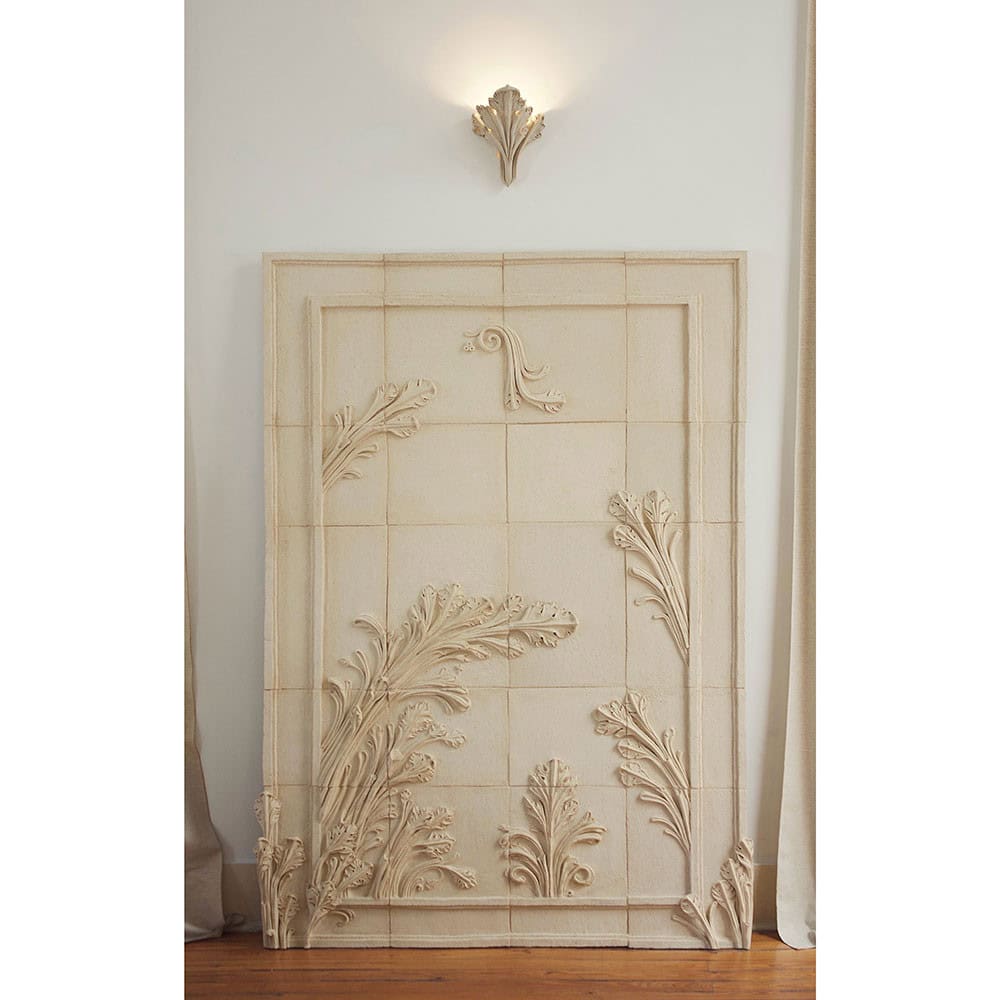
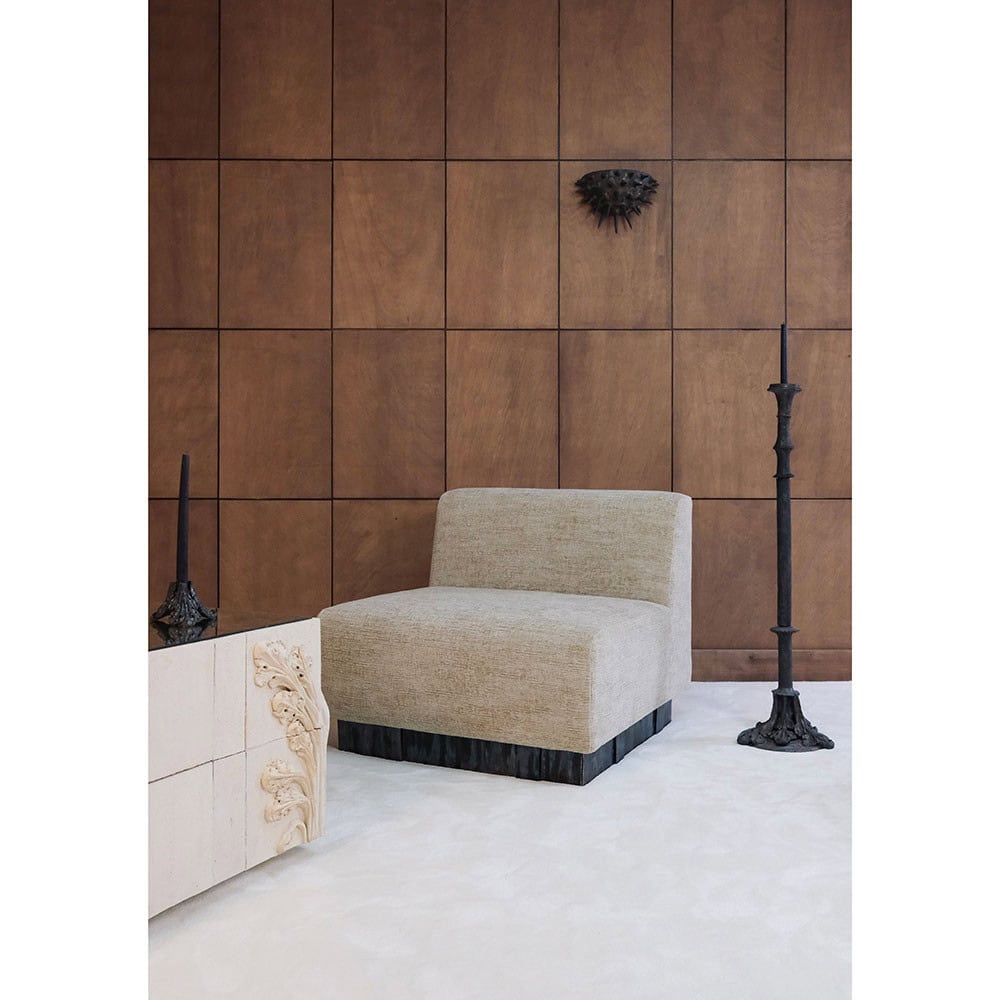
Inspired by sculptural vegetation, the series also reflects Louis’ fascination with Europe’s historical heritage—its museums, gilded frames, palaces, churches and centuries-old craftsmanship. Organic forms intertwine with echoes of classical ornament, creating objects that feel both timeless and deeply contemporary.
Its counterpart, Era, embraces clean geometry and architectural restraint. Together, the two collections demonstrate Alan Louis’ fascination with duality.
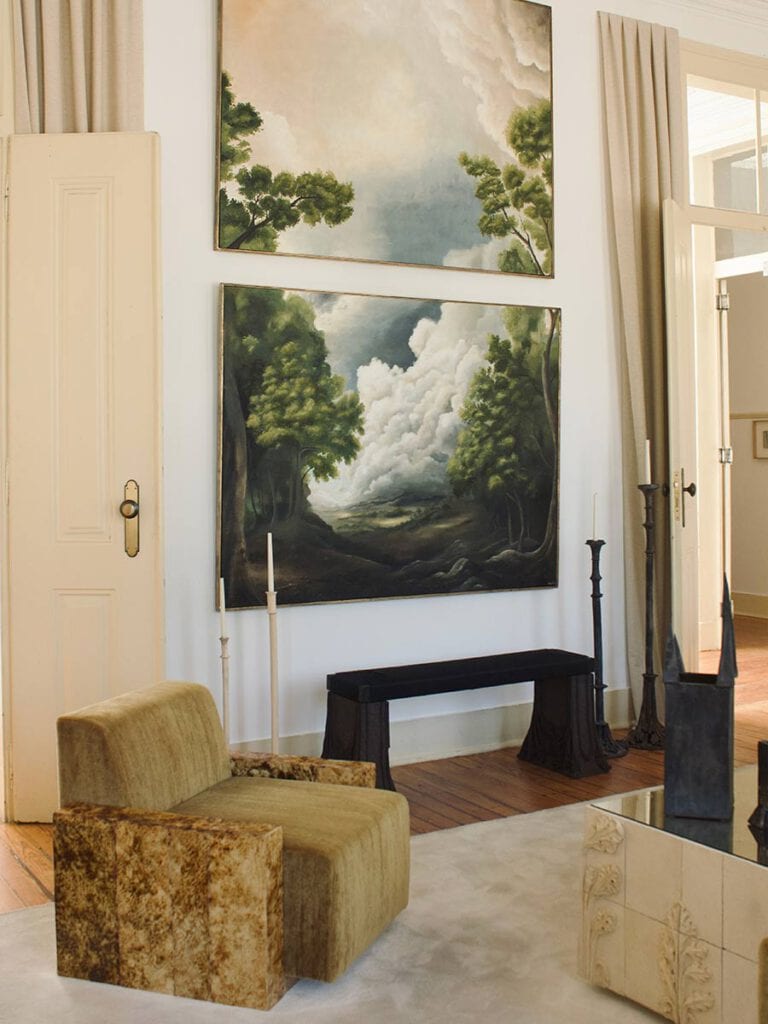
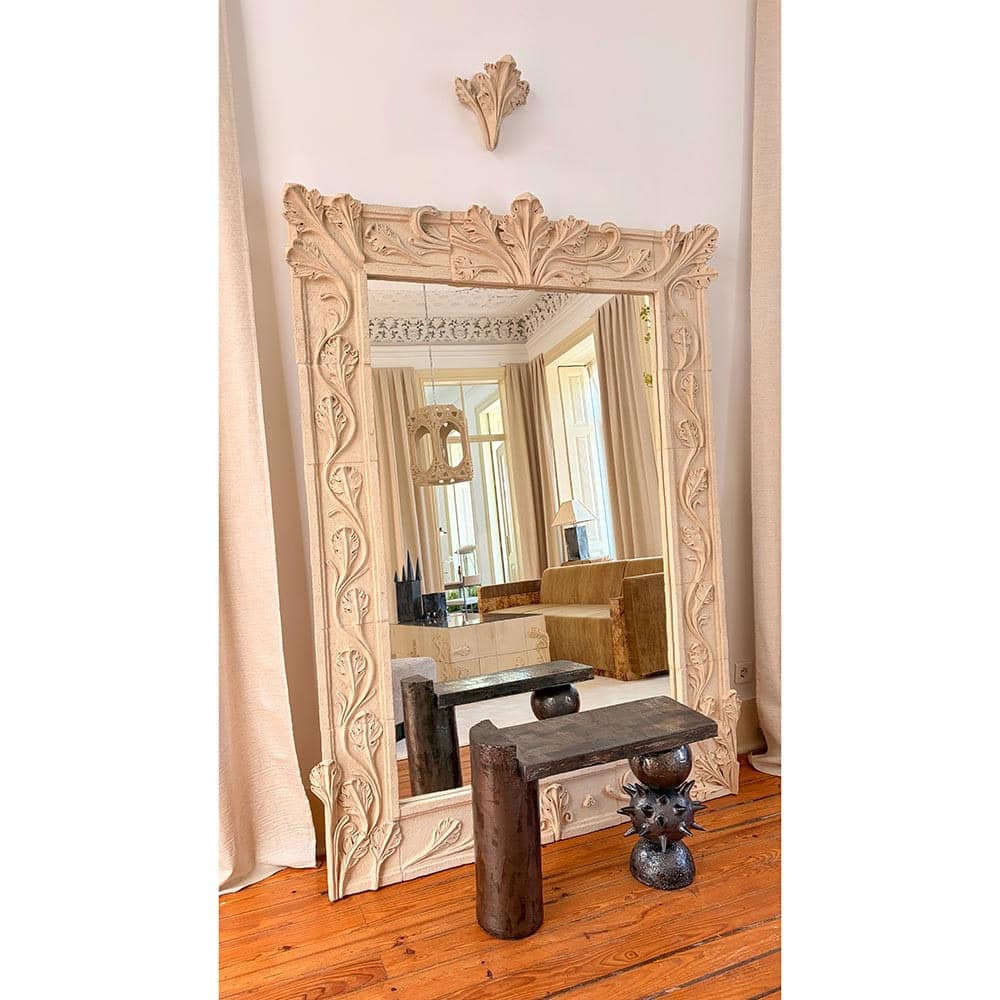
Strength and delicacy. Minimalism and ornament. Past and future.
Rather than opposing one another, these contrasts coexist in perfect balance.

Embracing the Unexpected
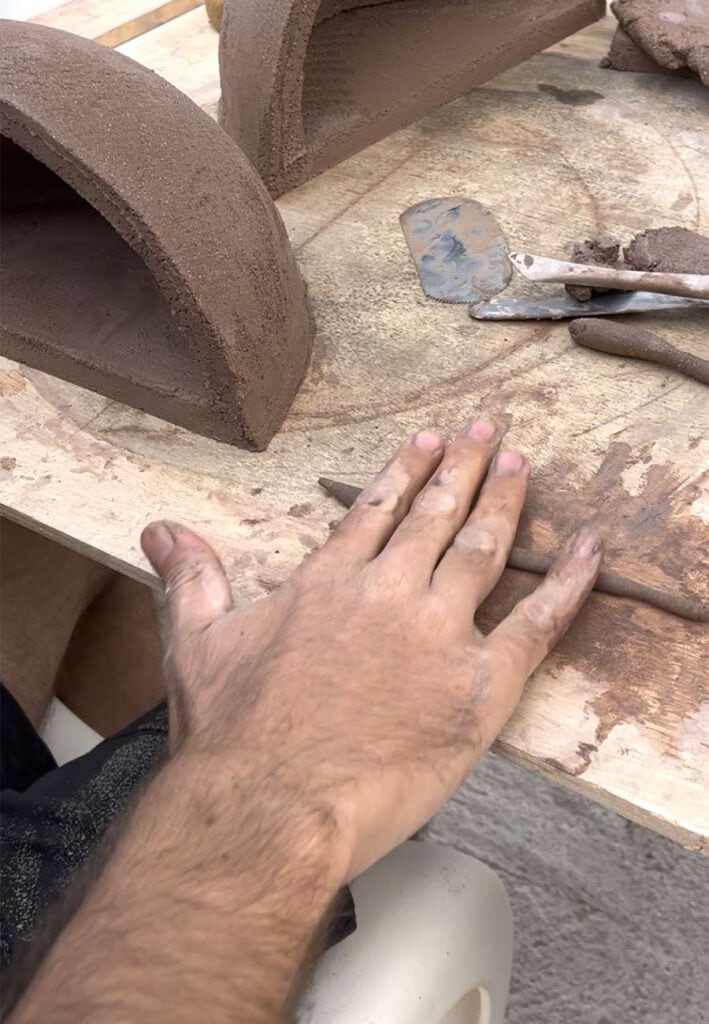
Alan Louis works primarily with chamotte stoneware, a material renowned for its unpredictable nature.
Cracks, distortions and kiln failures were once frequent companions. Instead of resisting these challenges, he gradually learned to collaborate with the material, accepting that true craftsmanship often lies in understanding limits rather than attempting to eliminate them.
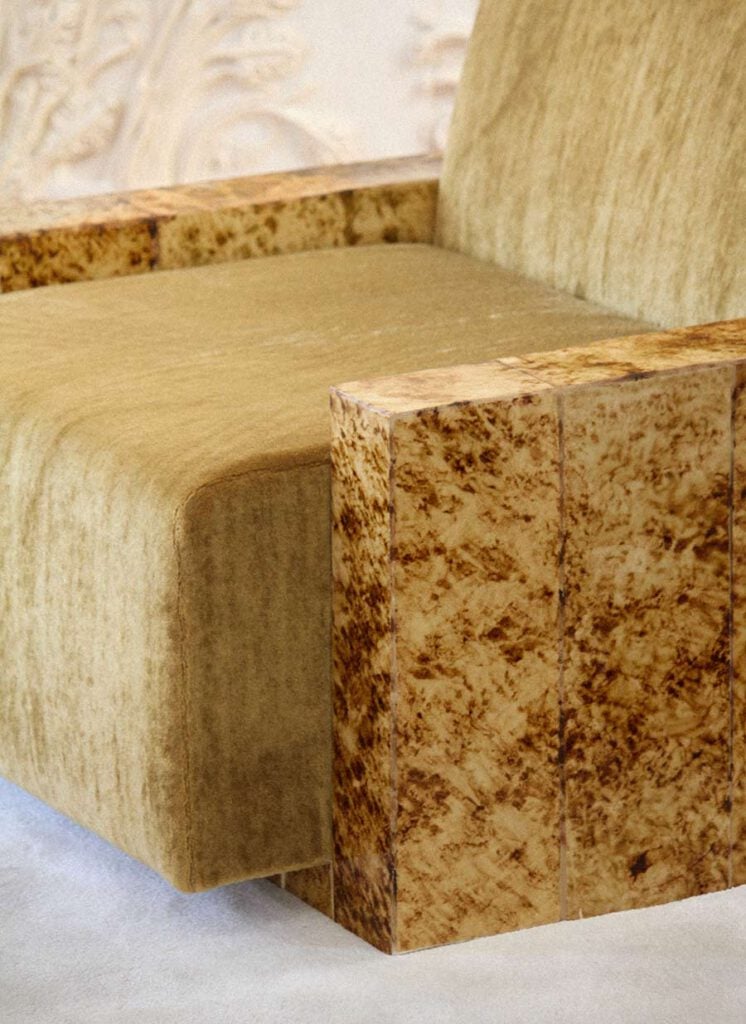
The same philosophy extends to his glazing process. By introducing another uncontrollable element, he allows chance to become an active participant in the creation of every object.
Objects That Already Feel Timeless
During Lisbon Design Week, Alan Louis displayed his collections within historic interiors conceived as elegant jewellery boxes. The settings complemented the objects without overshadowing them, reinforcing the quiet dialogue between heritage and contemporary creation.
Ultimately, however, the visual beauty of his work is only part of the story.
Each piece carries traces of memory, nostalgia, determination and emotion. They appear as though they have existed long before they were made, inviting viewers to project their own stories onto them.
Perhaps this is what makes Alan Louis’ work so compelling. His objects refuse neutrality. They invite conversation, provoke emotion and remind us that exceptional design is never simply about function—it is about creating lasting connections between material, memory and human experience.