
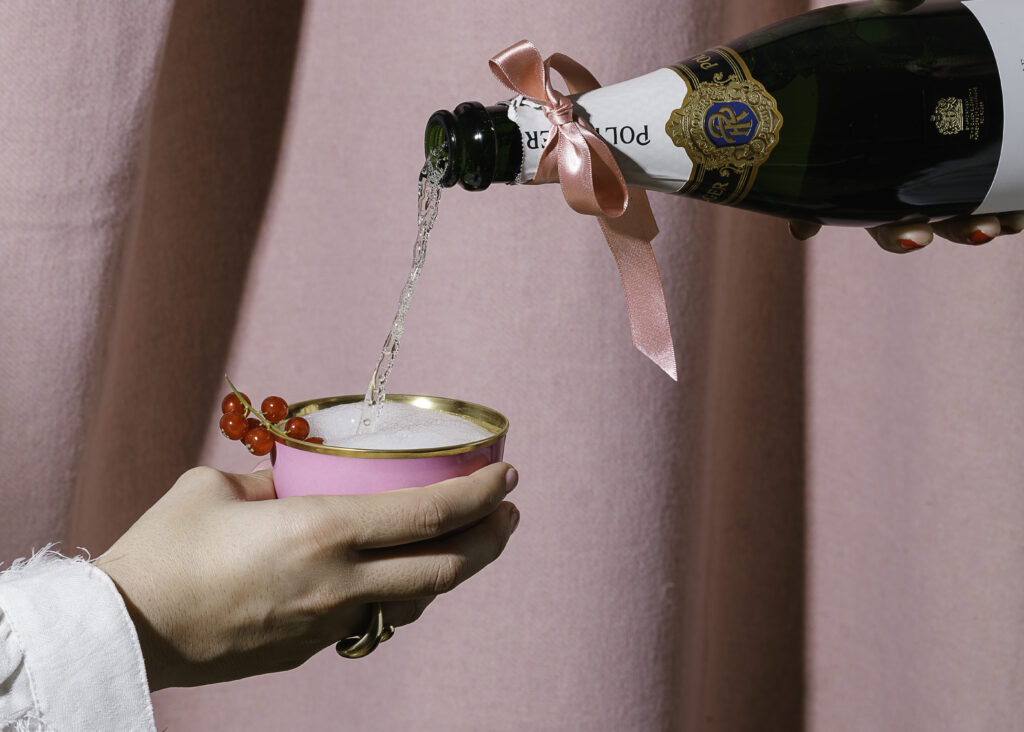
A fragrant rose from the 1920s, a champagne bowl shaped like Marie Antoinette’s bust, and a deceptively realistic bread roll that is definitely not edible—stories abound around Augarten porcelain. Some well-known, others more obscure. On a guided tour of the manufactory in Vienna, visitors can get to the bottom of a few of them…
Alongside a beloved aunt who gifted me selected pieces of the Wiener Rose for special occasions and meticulously kept track of which parts of the service I already owned, what I remember most are my mother’s warning glances. She would cast them at me whenever I approached the bookshelf where her collection of ceramic dogs and horses from the manufactory stood proudly on display.
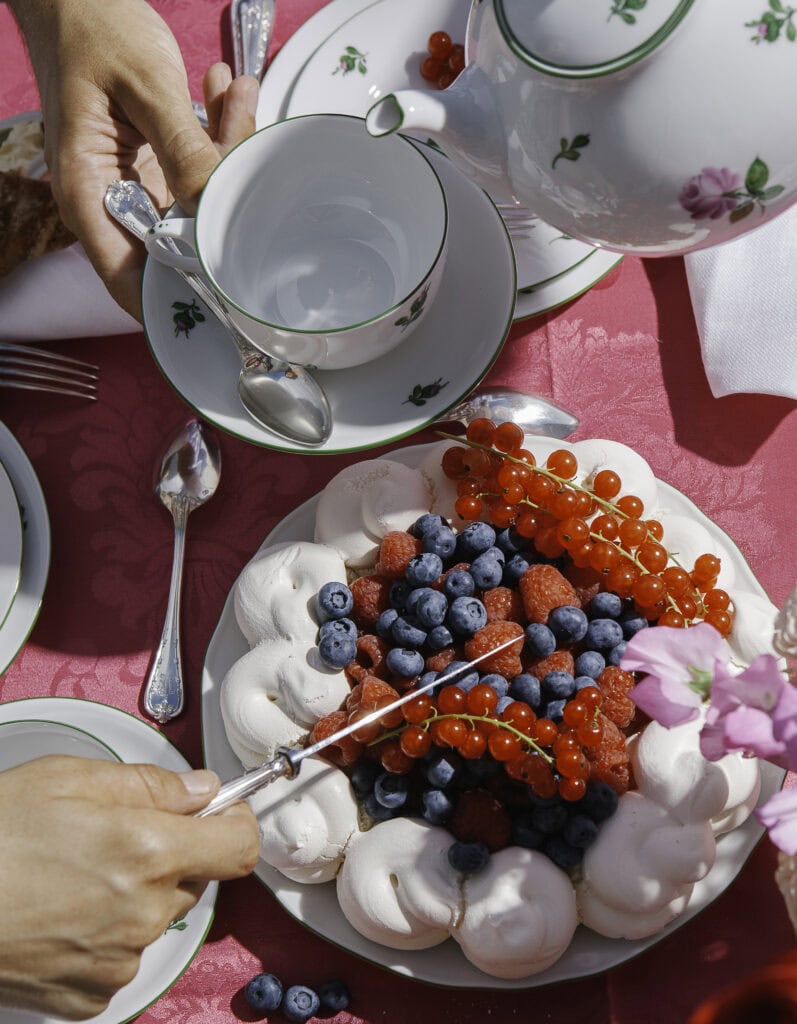
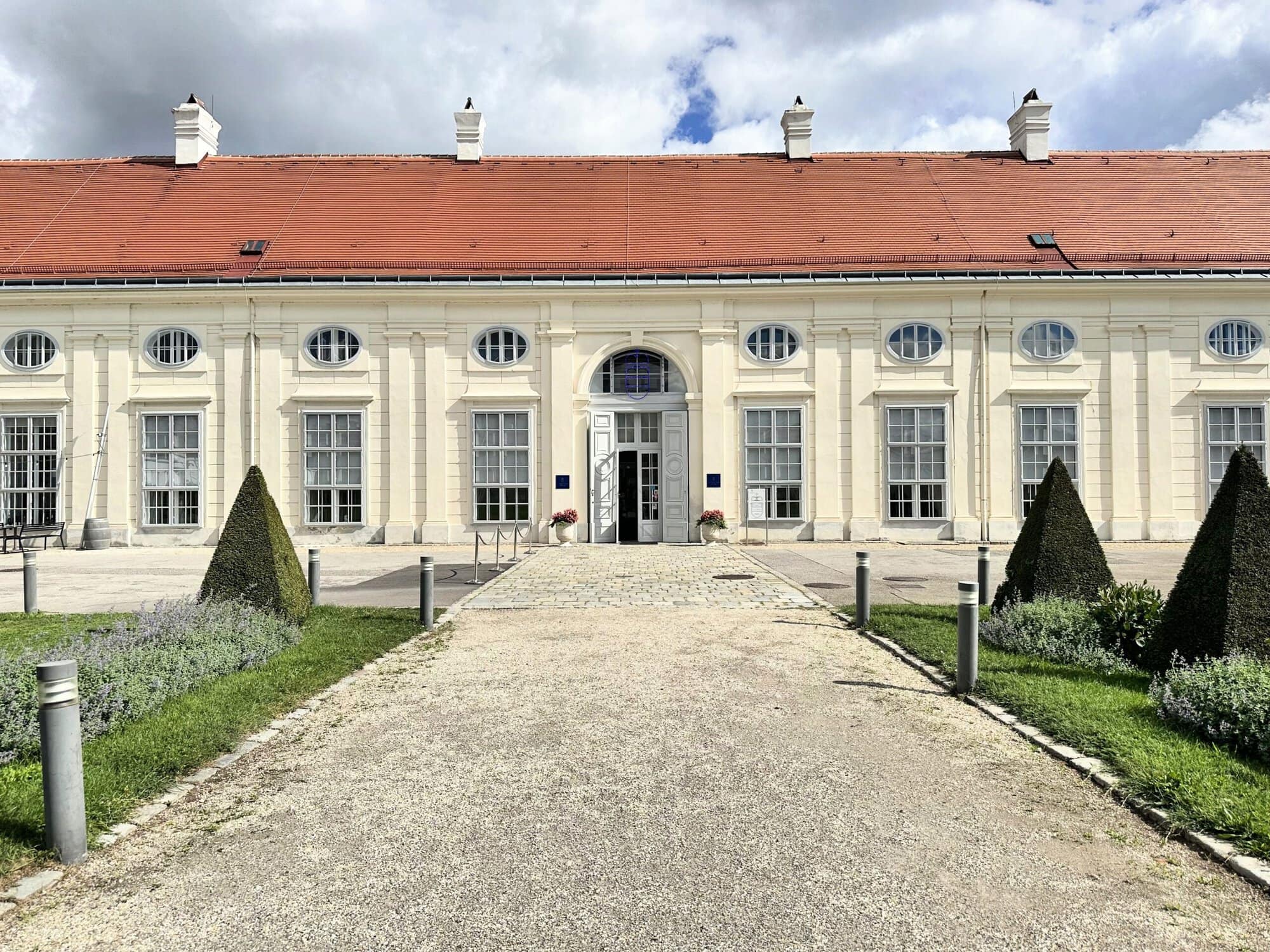
With exactly this mixture of reverence, caution, and childhood memory, I step into the palace of Europe’s second-oldest porcelain manufactory—always wary that I might end up becoming the proverbial elephant in a porcelain shop myself.
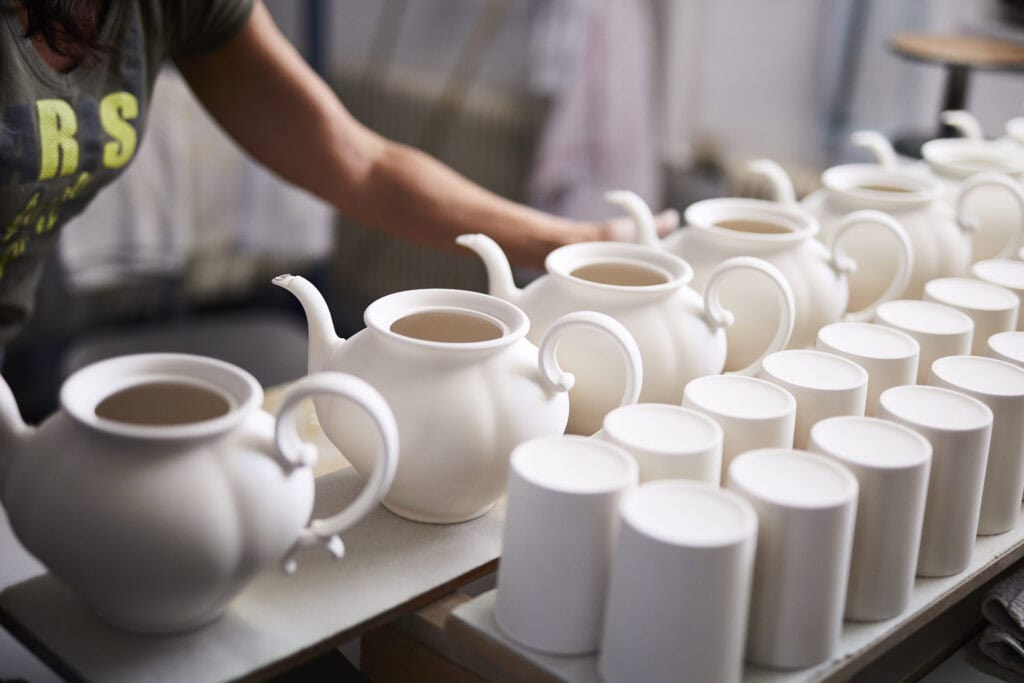
The doors are regularly opened for guided tours that offer a rare glimpse behind the scenes of this Viennese institution. A delicate opportunity to play mouse rather than, hopefully, elephant.
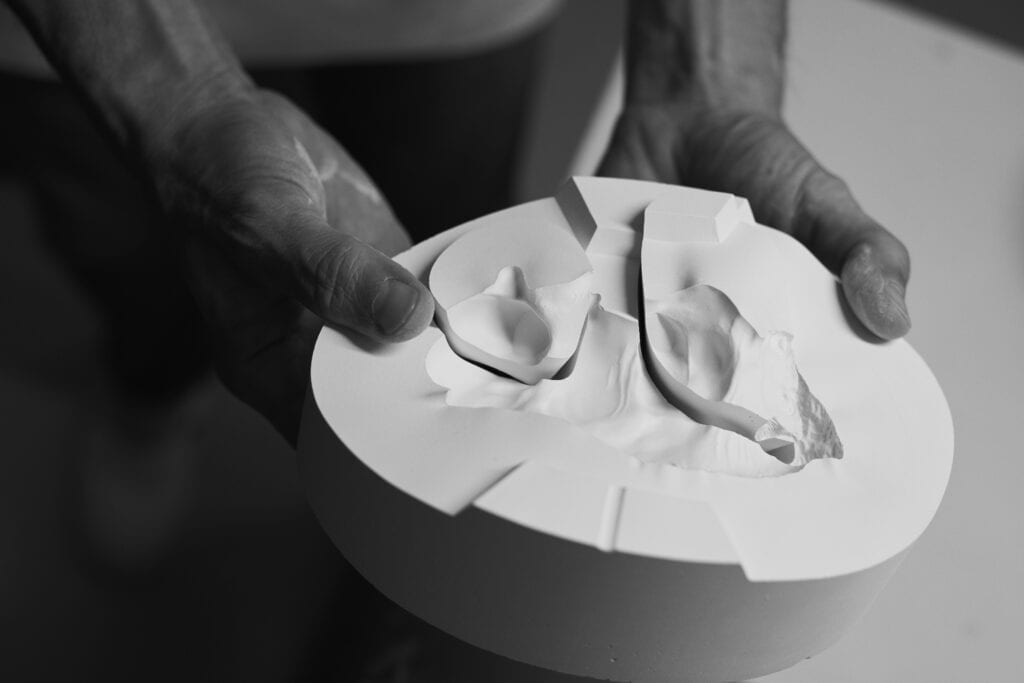
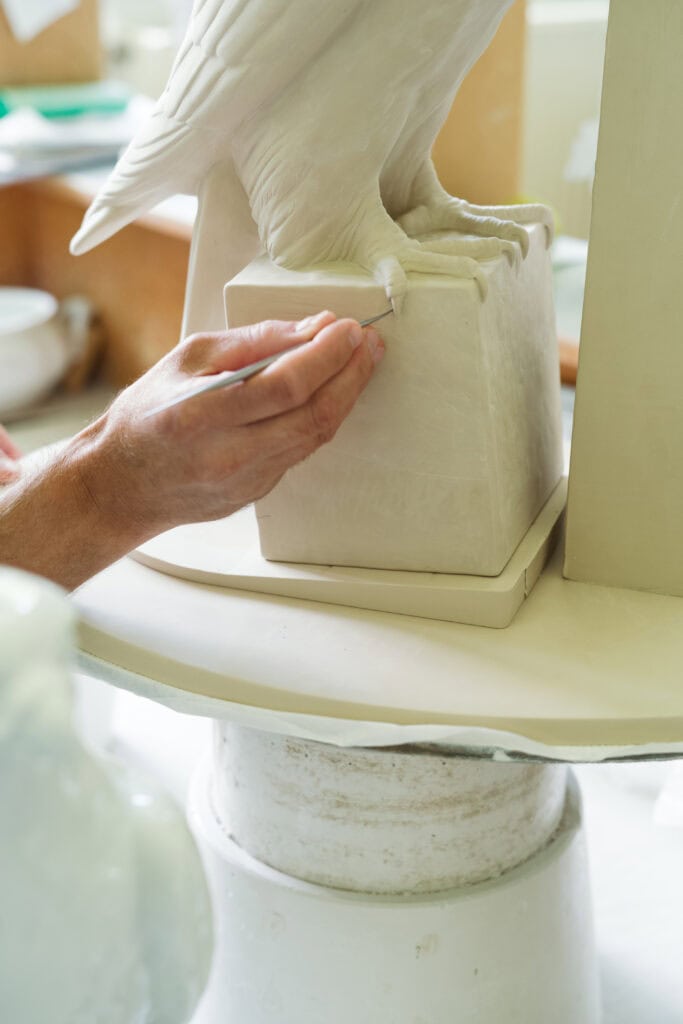
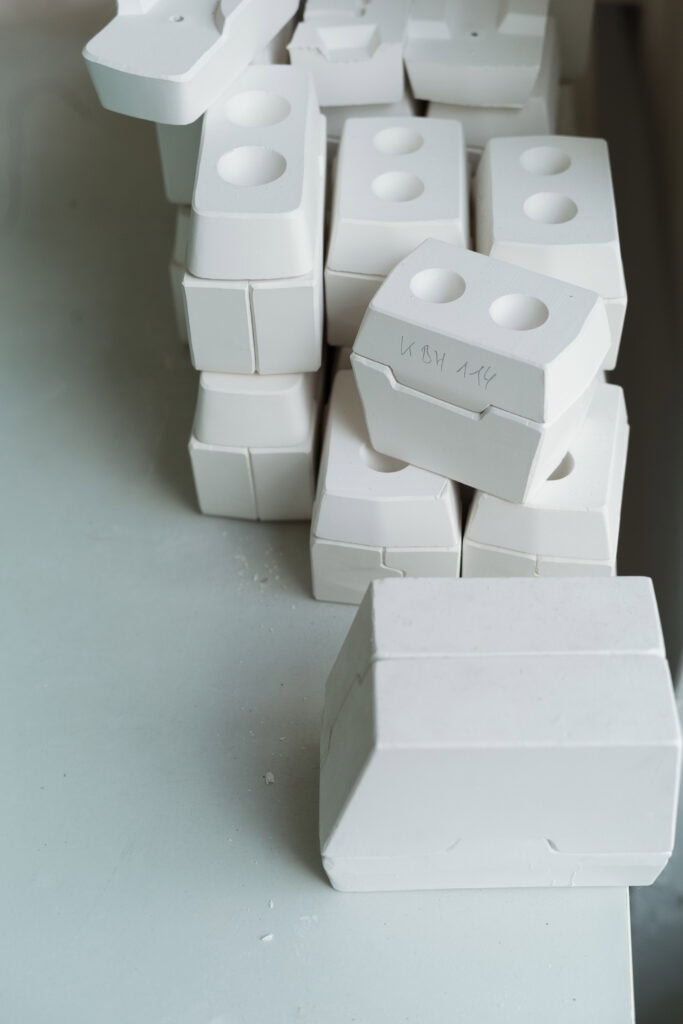
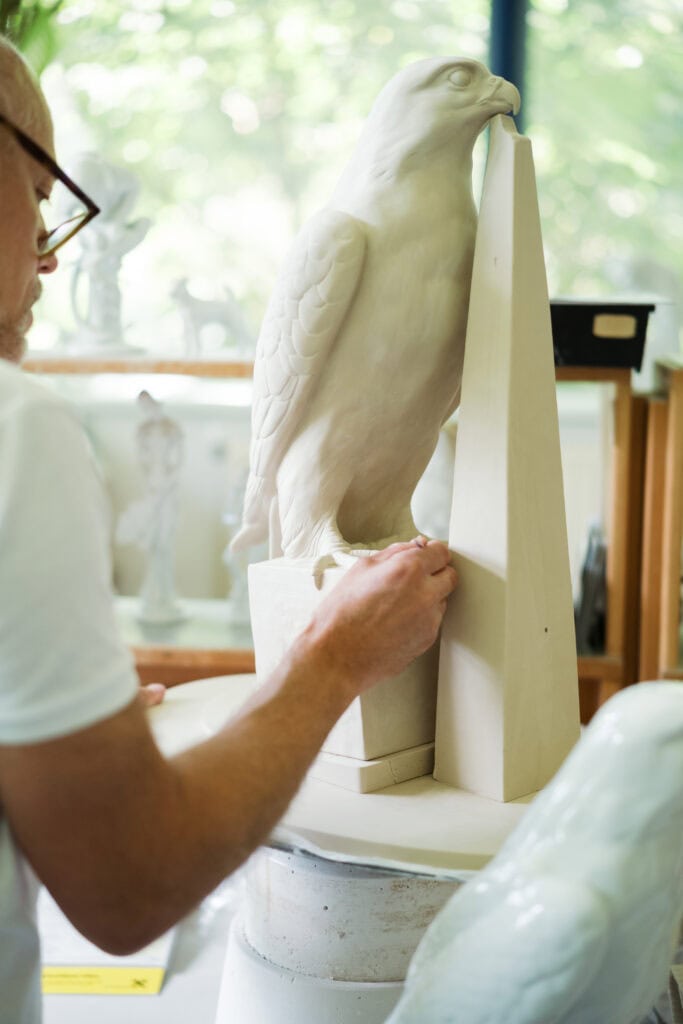
From casting the raw porcelain mass to firing and painting: step by step, we move from one room to the next, and with it through 300 years of company history. The fact that a single figurine is assembled by hand from dozens of individually cast parts, that already-fired pieces are carefully reworked, and that brushstroke after brushstroke is applied with painstaking precision for hours on end, reveals just how demanding this craft truly is. No wonder, then, that mastering it takes several years.

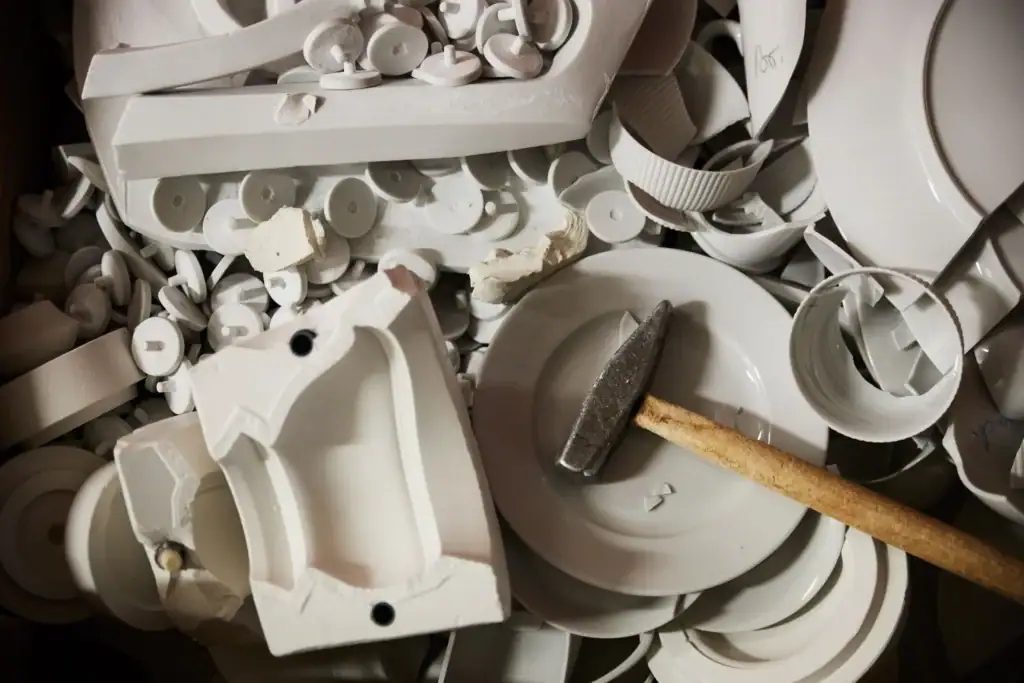
That things break here is nevertheless rare. And when they do, it is by design—at least that is what a crate, a hammer, and carefully shattered porcelain seem to suggest. Whether this is a “rage box” for the break room remains unclear. The thought of it feels, amid the manufactory’s concentrated precision, almost reassuringly human.