

How Architecture Is Transforming Retail into a Cultural Experience
Shopping was once defined by function. Today, the world’s most remarkable flagship stores have evolved into destinations where architecture, art, craftsmanship and brand identity merge into immersive cultural experiences.
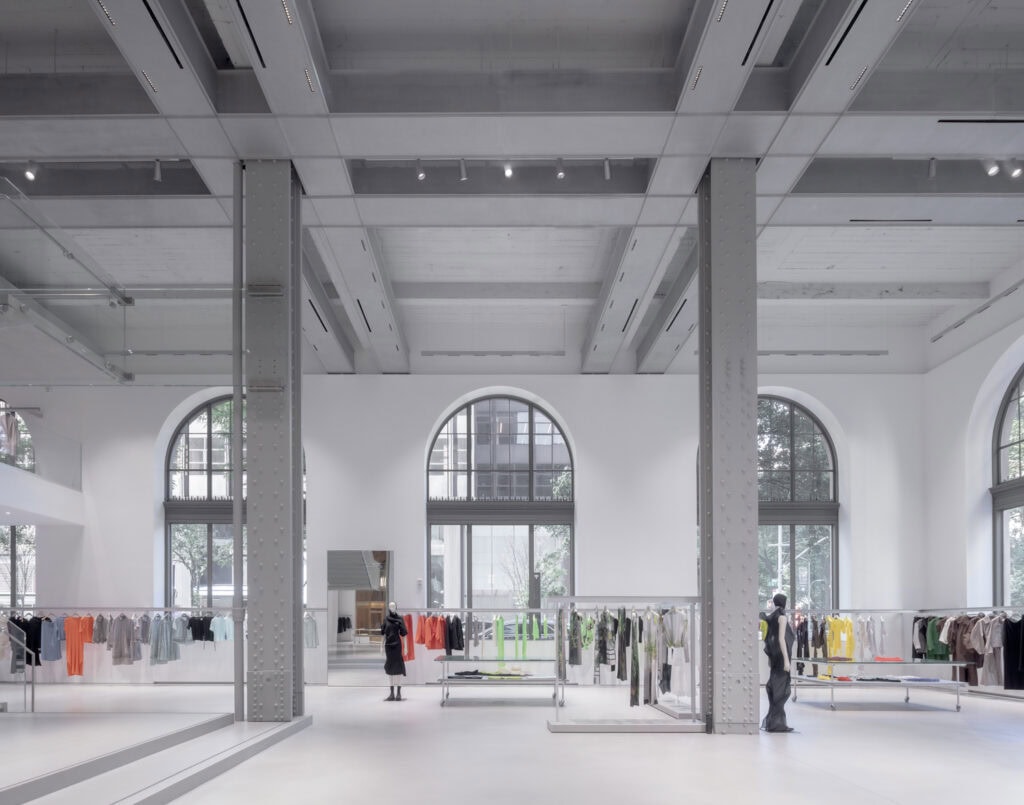
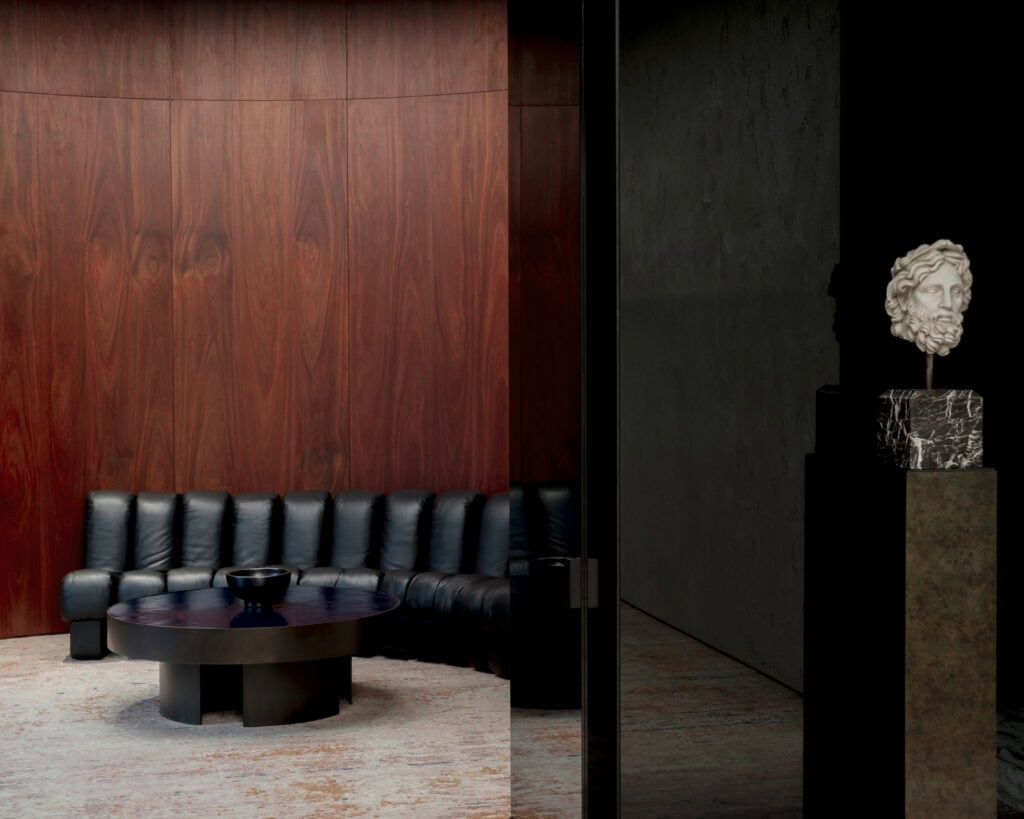
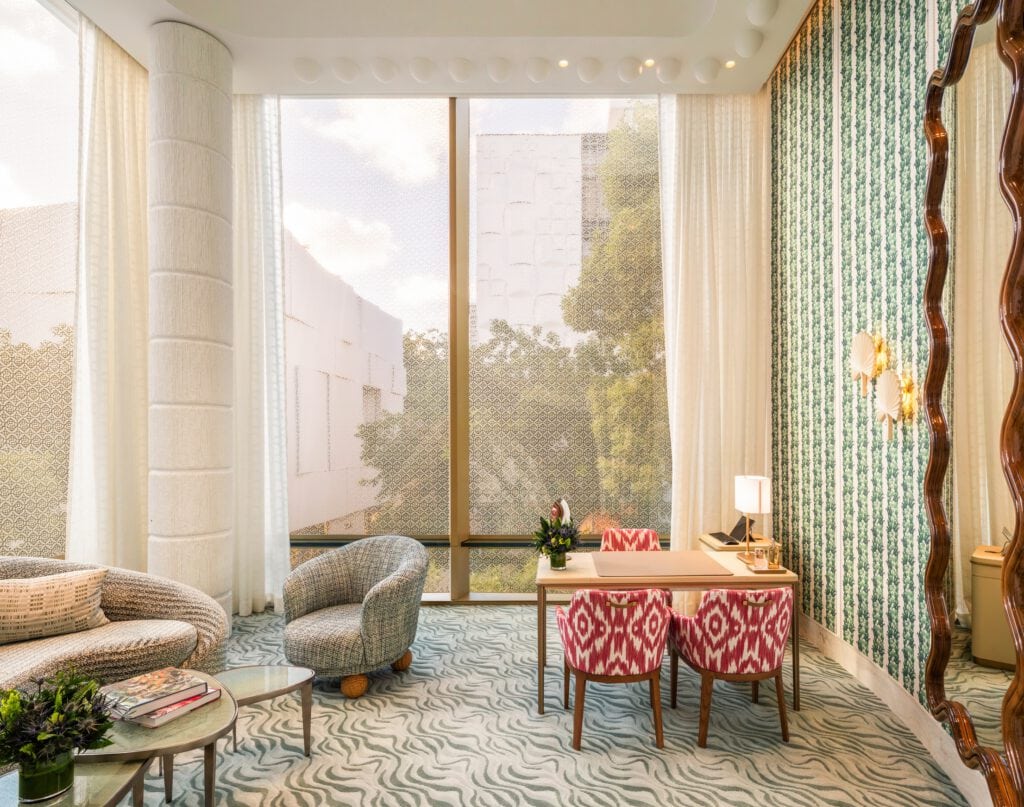
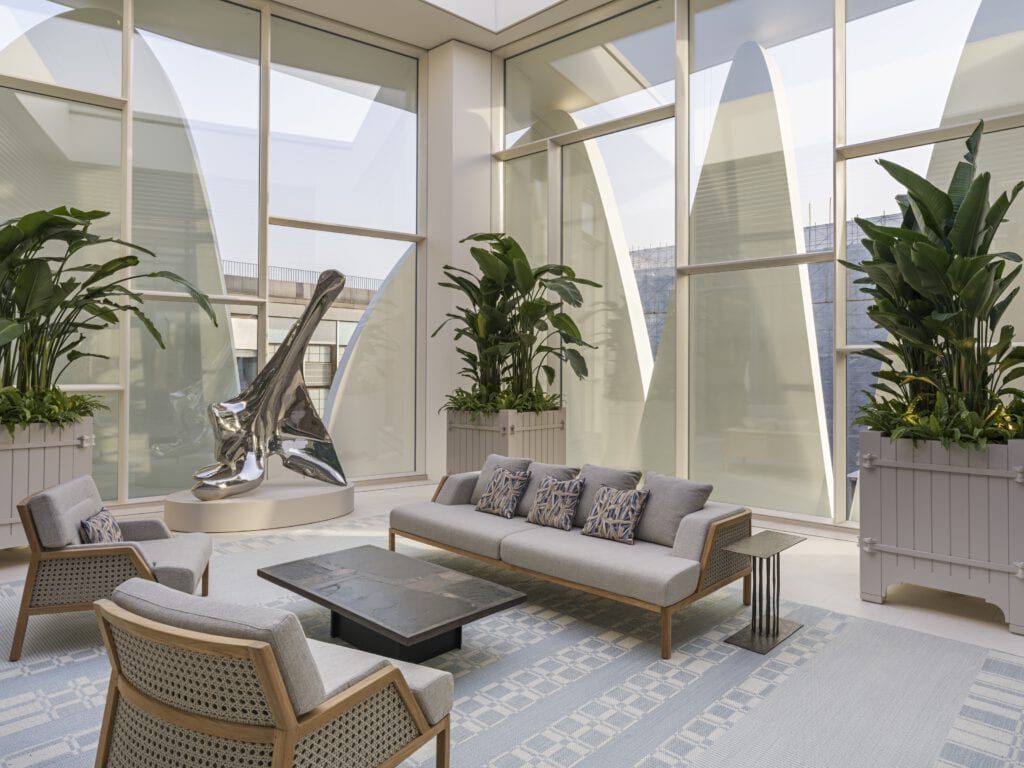
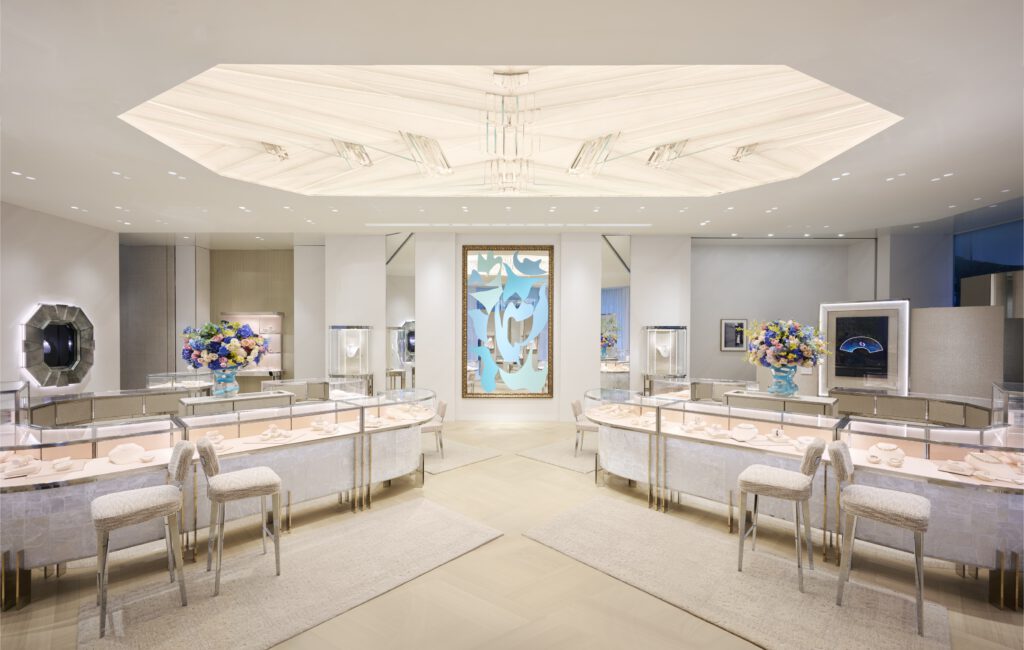
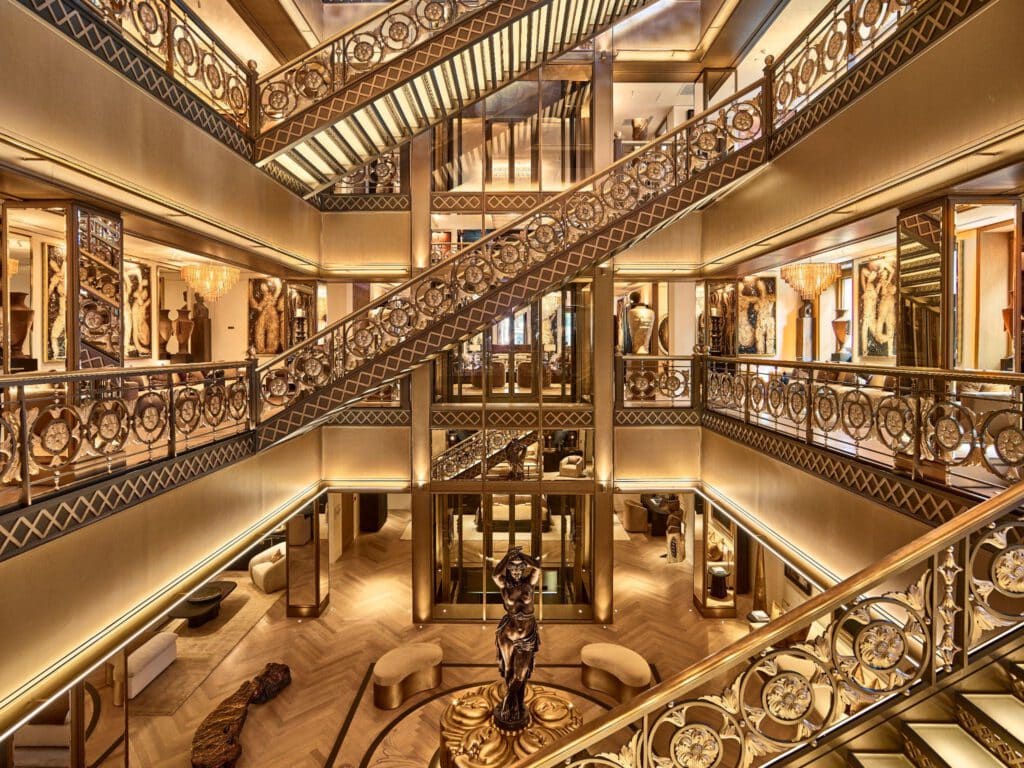
This transformation is celebrated by the Prix Versailles, which has unveiled its World’s Most Beautiful Emporiums 2026. Seven outstanding flagship stores across Asia, Europe and the United States demonstrate how retail can become architecture worth travelling for—and why physical stores remain more relevant than ever in the digital age.
When Brands Tell Stories Through Architecture
Since its creation, the Prix Versailles has explored the relationship between architecture, culture, sustainability and economic value. Flagship stores have increasingly become places where brands express their identity through space rather than products alone.
Instead of conventional retail environments, these buildings function as cultural landmarks that invite visitors to experience a brand through architecture, craftsmanship and artistic expression.
Seven Destinations, Seven Architectural Visions
The 2026 selection spans the globe.
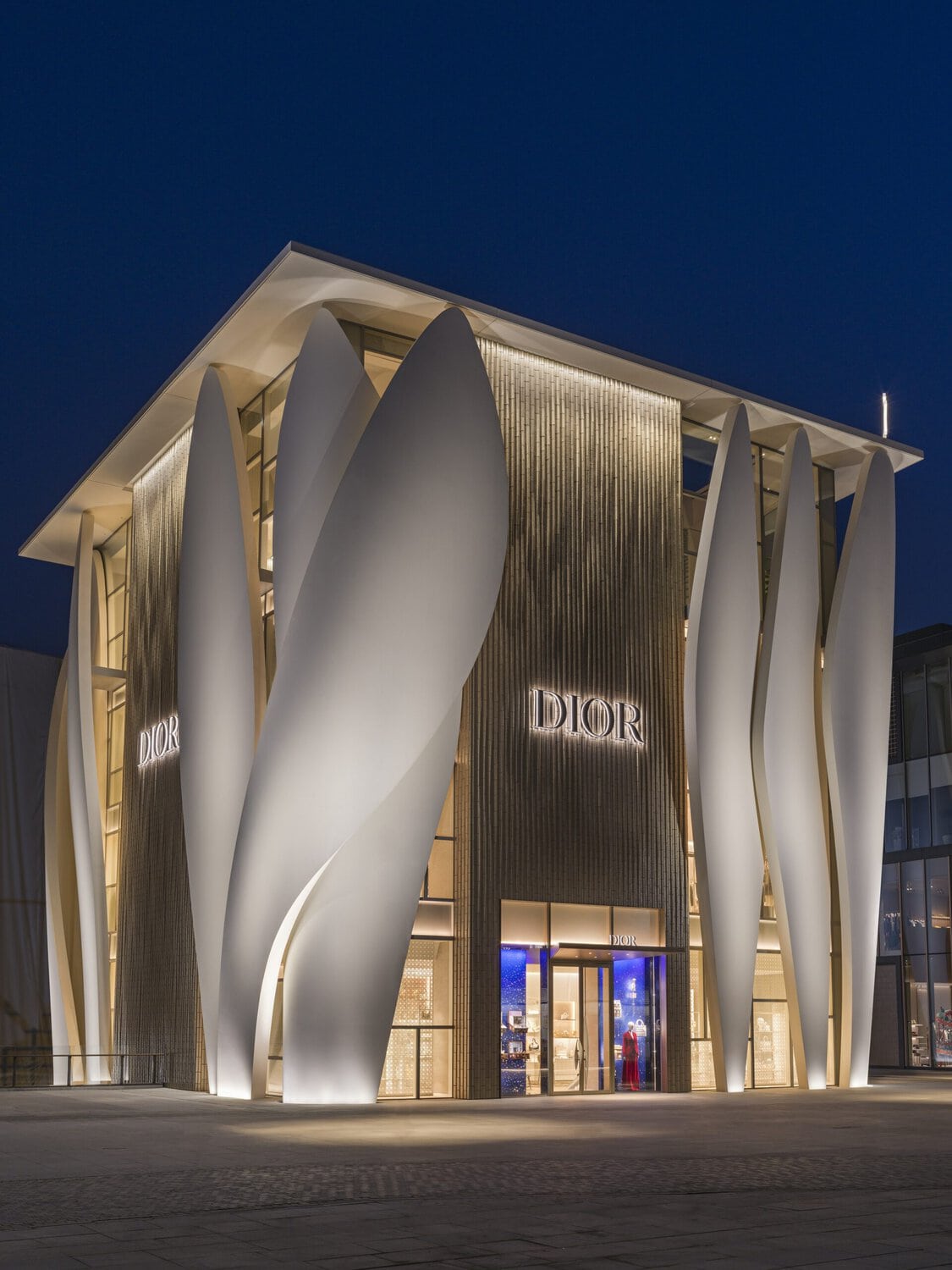
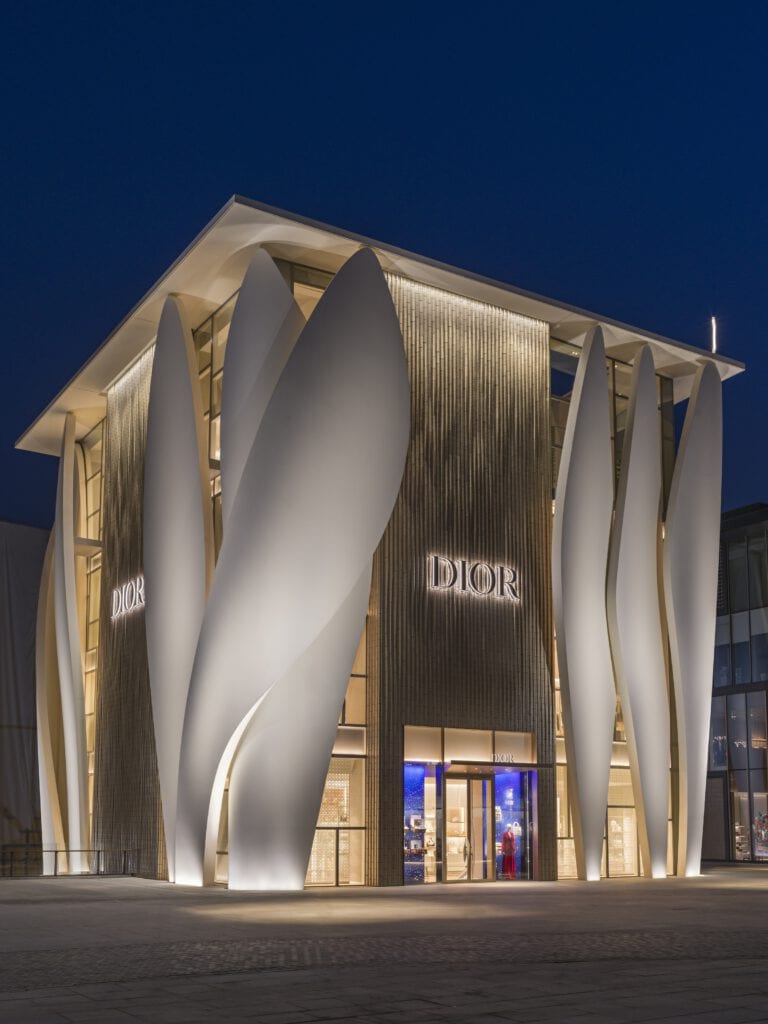
In Beijing, Christian de Portzamparc designed House of Dior as a sculptural landmark inspired by the flowing fabric used in Christian Dior’s couture creations.
In Paris, RH Champs-Élysées, created with Foster + Partners, transforms furniture retail into an immersive cultural destination featuring a gallery, library, restaurant and rooftop terrace.
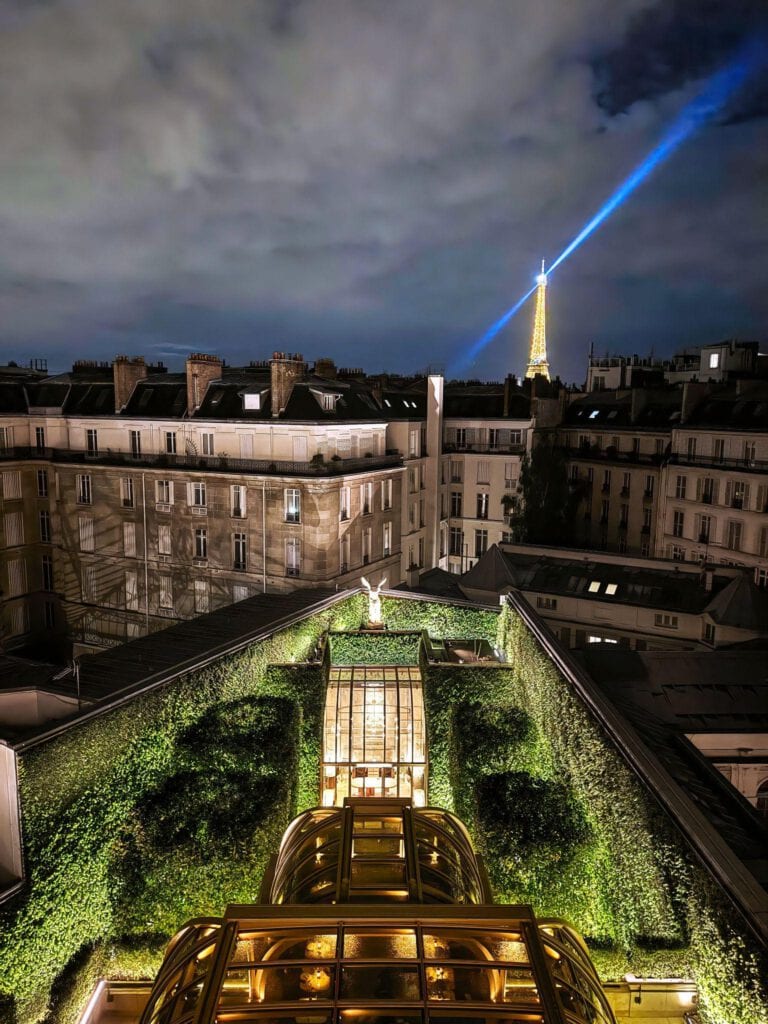
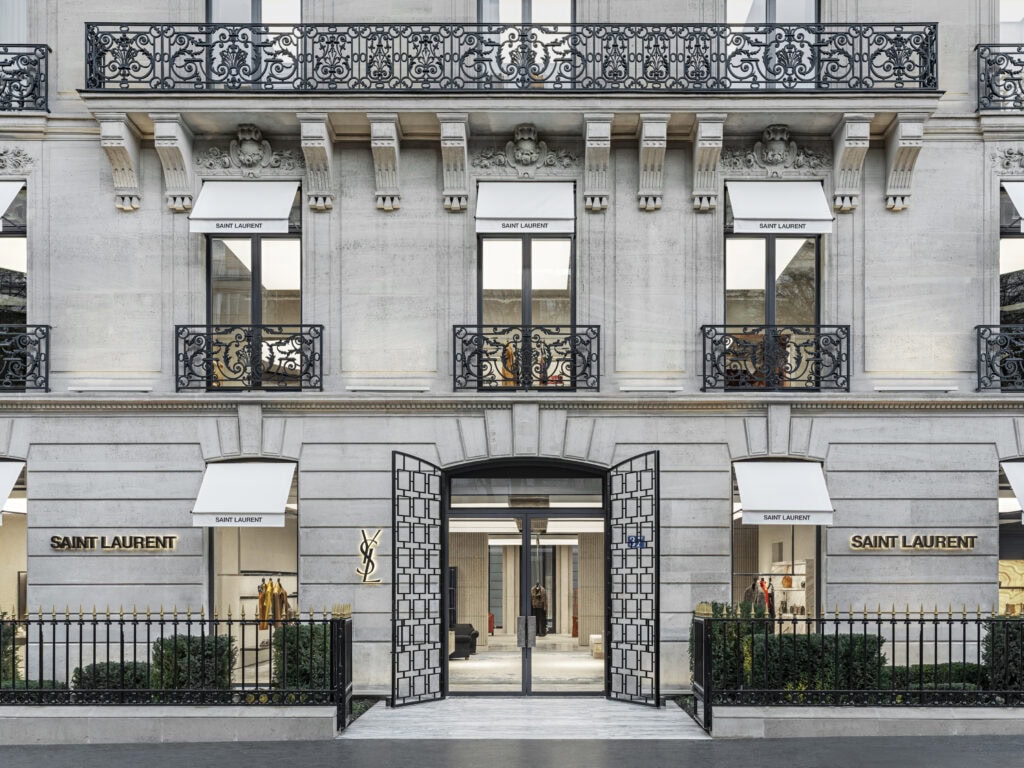
Also in Paris, Saint Laurent Montaigne, conceived under Anthony Vaccarello’s artistic direction, balances heritage architecture with contemporary art and collectible design.
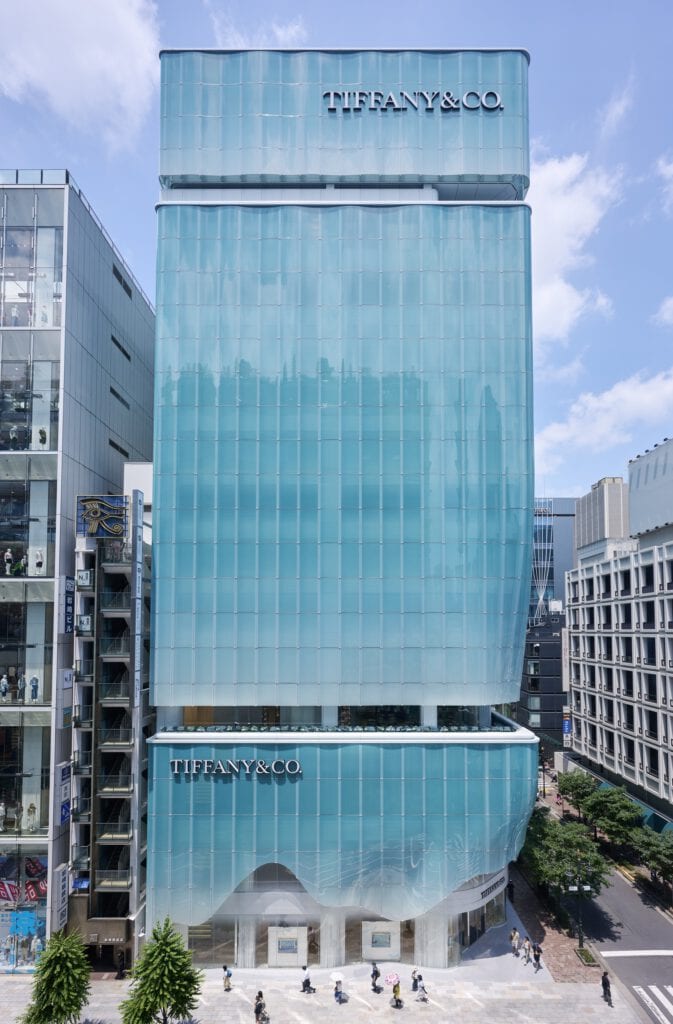
In Tokyo’s prestigious Ginza district, Tiffany & Co. combines Japanese aesthetics with nearly two centuries of the House’s history through its iconic wave-shaped glass façade and luminous interiors.
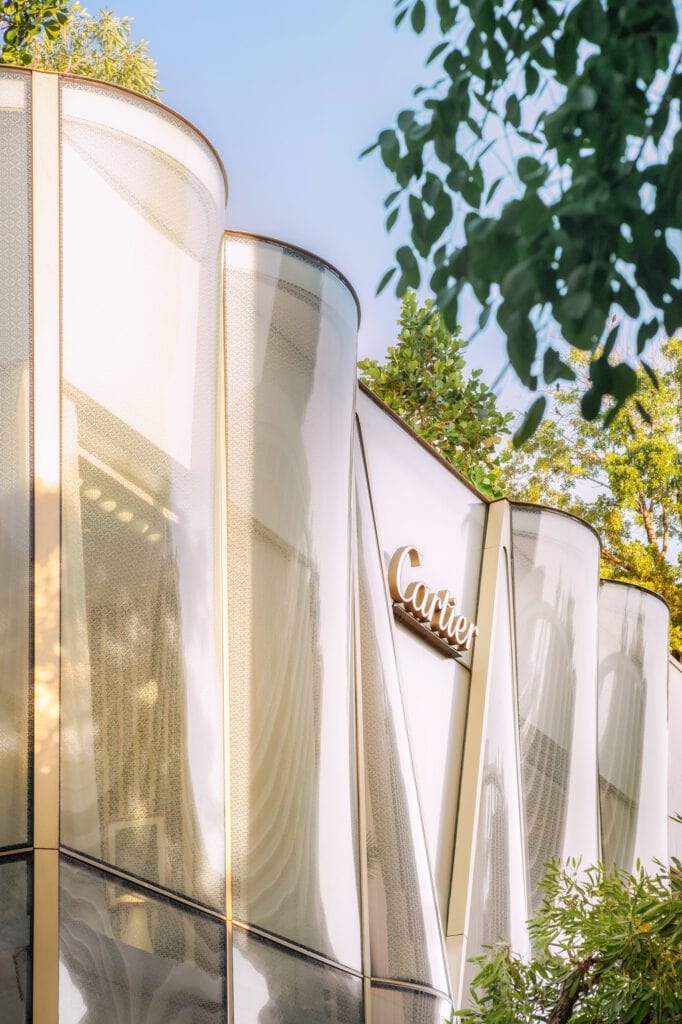
At the Miami Design District, Cartier reimagines tropical landscapes through architecture, organic forms and elegant craftsmanship.
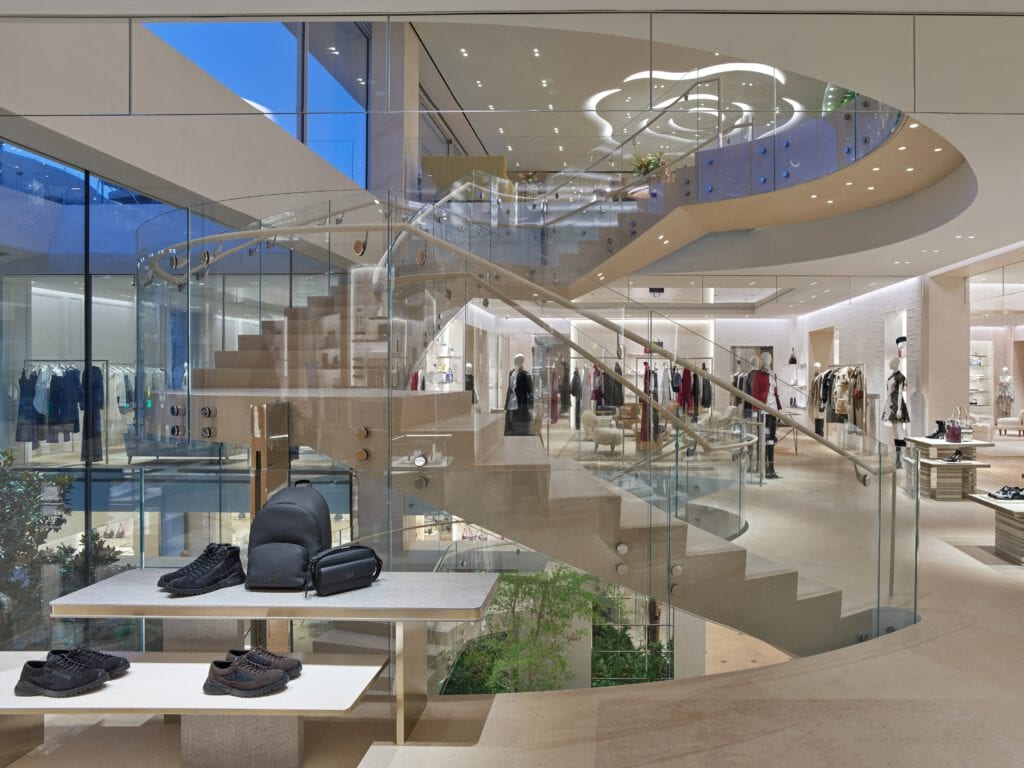
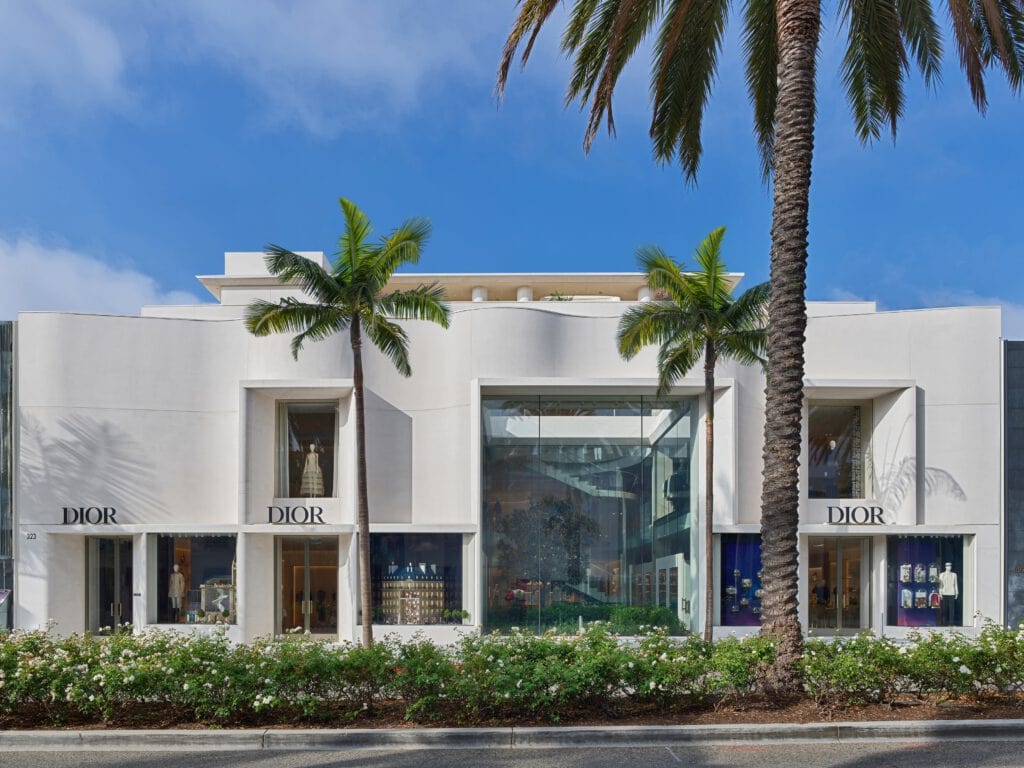
In Beverly Hills, Dior creates a garden-centred flagship where shopping feels closer to visiting a museum than entering a luxury boutique.
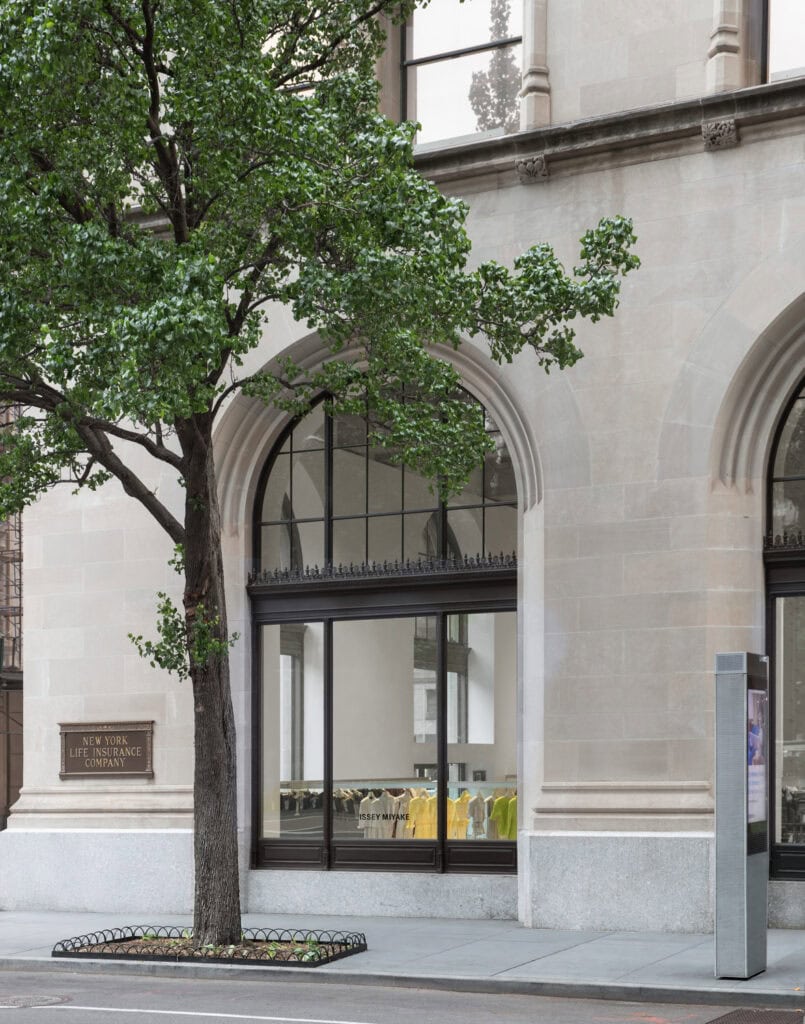
Meanwhile, in New York, Issey Miyake blends Japanese minimalism with the historic New York Life Building while introducing an exhibition space dedicated to rotating cultural projects.

Beyond Shopping
One characteristic unites nearly all seven projects: they extend far beyond retail.
Libraries, galleries, restaurants, rooftop terraces and public gathering spaces transform shopping into a cultural experience. Architecture becomes the medium through which brands communicate their values, while the visit itself becomes the true luxury.
In an era where products are available almost anywhere, meaningful places have become increasingly valuable.
Architecture as the New Luxury Experience
The 2026 Prix Versailles selection illustrates how luxury continues to evolve. Today, exclusivity is defined not only by craftsmanship or products but by atmosphere, cultural relevance and architectural excellence.
The world’s most beautiful flagship stores therefore sell far more than fashion, jewellery or furniture.
They sell inspiration.