

How Photography Changed the Way We See the World
Long before smartphones and social media, photography transformed the way people imagined distant places. The ALBERTINA‘s new exhibition The World in Focus explores how travel photography not only documented the world—it fundamentally shaped it.
Today, taking photographs while travelling feels almost instinctive. Images preserve memories, inspire future journeys and connect us with places across the globe. Yet photography has influenced our perception of the world since its very beginning.
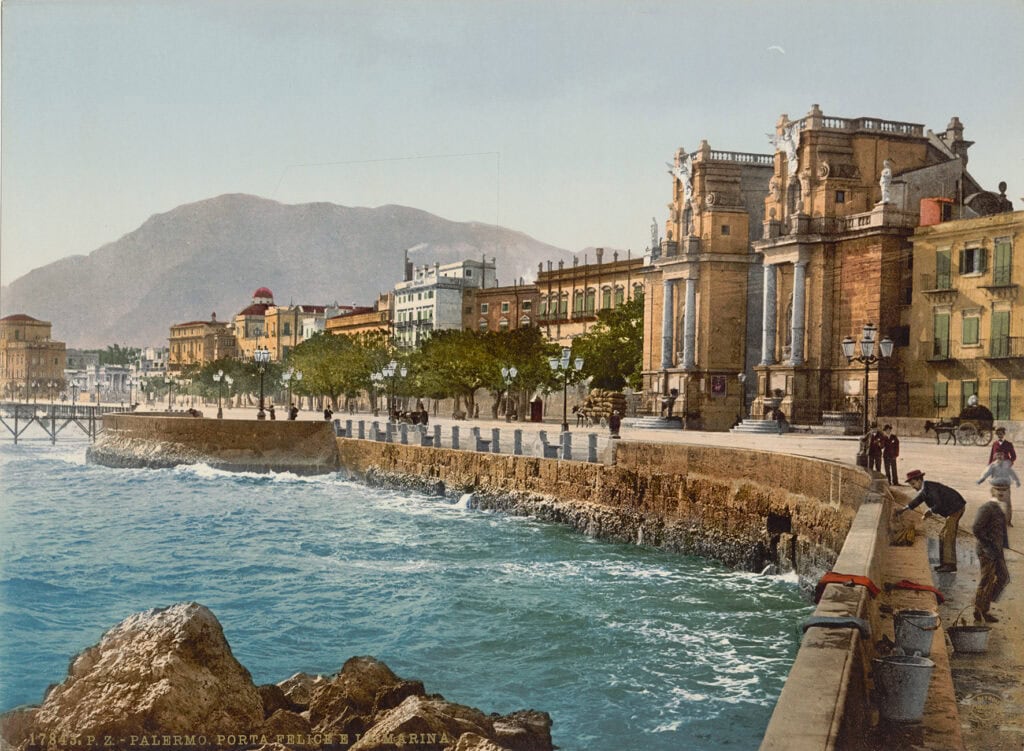
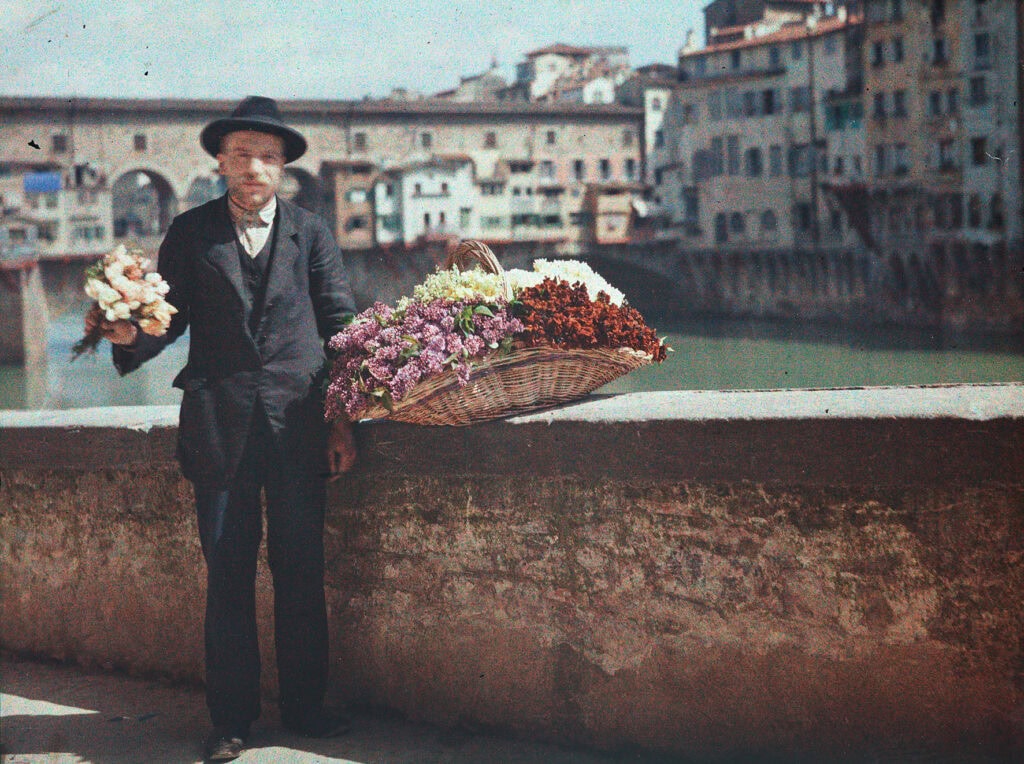
With The World in Focus, the ALBERTINA presents an extraordinary exhibition exploring travel and expedition photography from the mid-nineteenth to the early twentieth century. Featuring more than one hundred photographs from the museum’s renowned photographic collection, the exhibition reveals how images became powerful instruments for shaping cultural imagination rather than simply recording reality.
Photography as a Way of Seeing
When photography emerged during the nineteenth century, it revolutionised visual culture. Landscapes, monuments and distant civilizations could suddenly be reproduced with remarkable precision, replacing drawings and engravings as seemingly objective representations of reality.
Yet the exhibition also demonstrates that photographs have never been neutral.
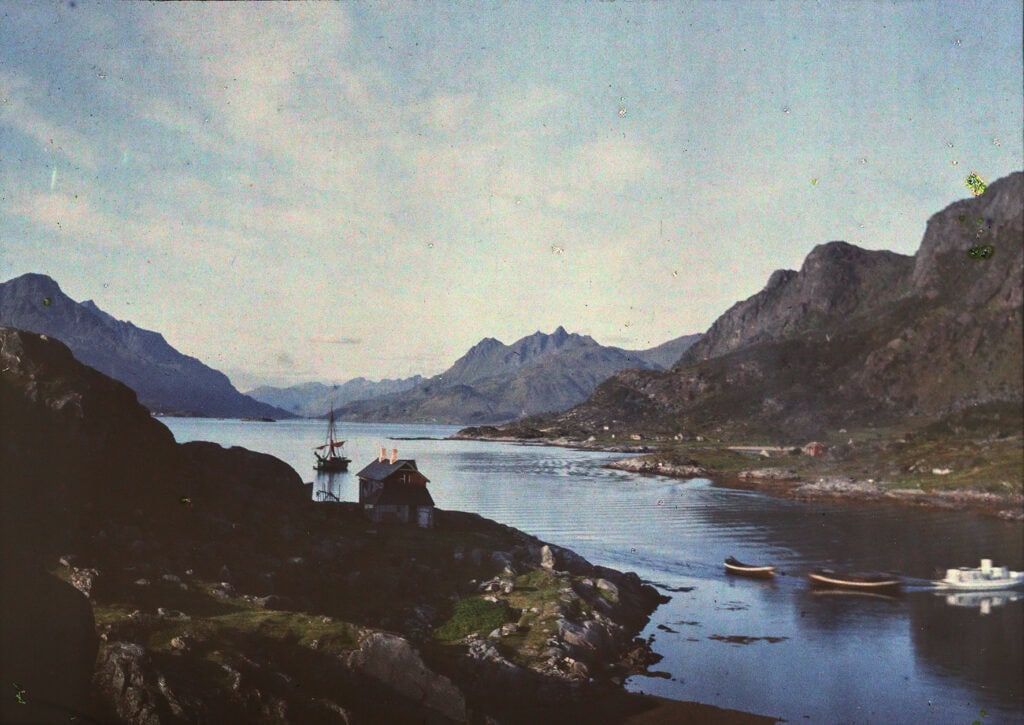
Every image reflects the intentions of the person behind the camera. Scientific expeditions, political ambitions, economic interests and commercial tourism all influenced where photographers travelled and what they chose to capture.
Inventing the World Through Images
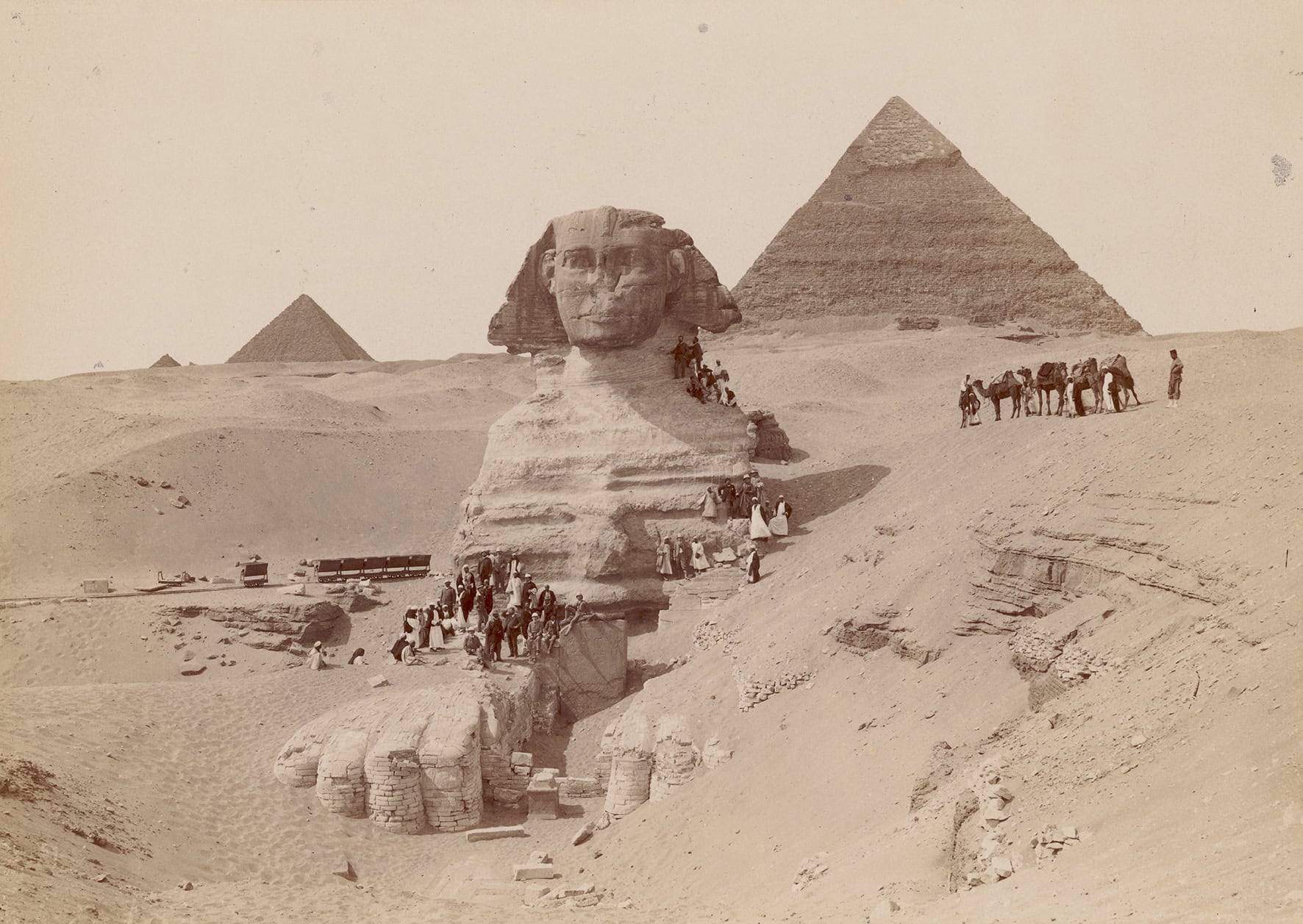
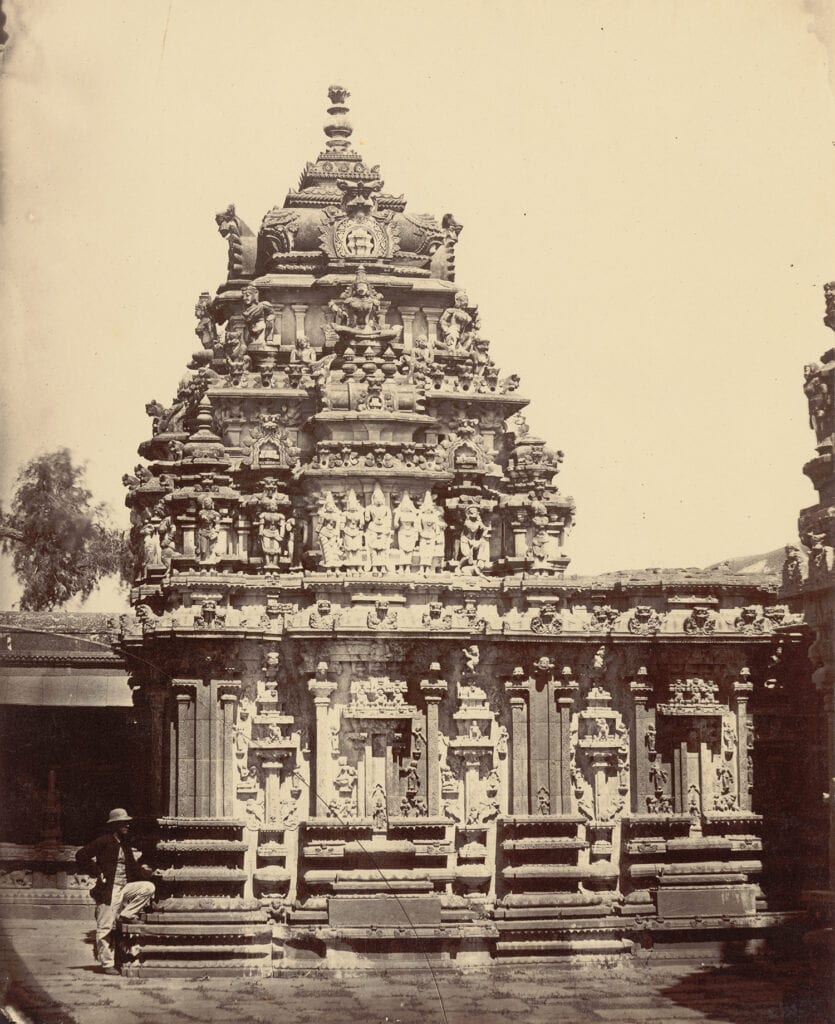
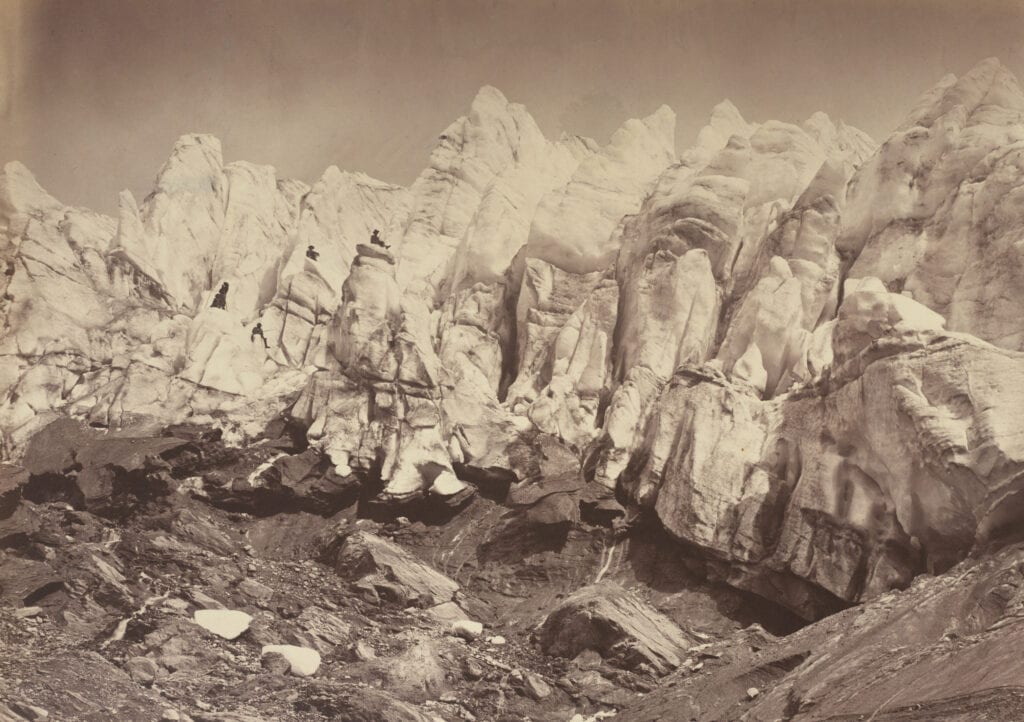
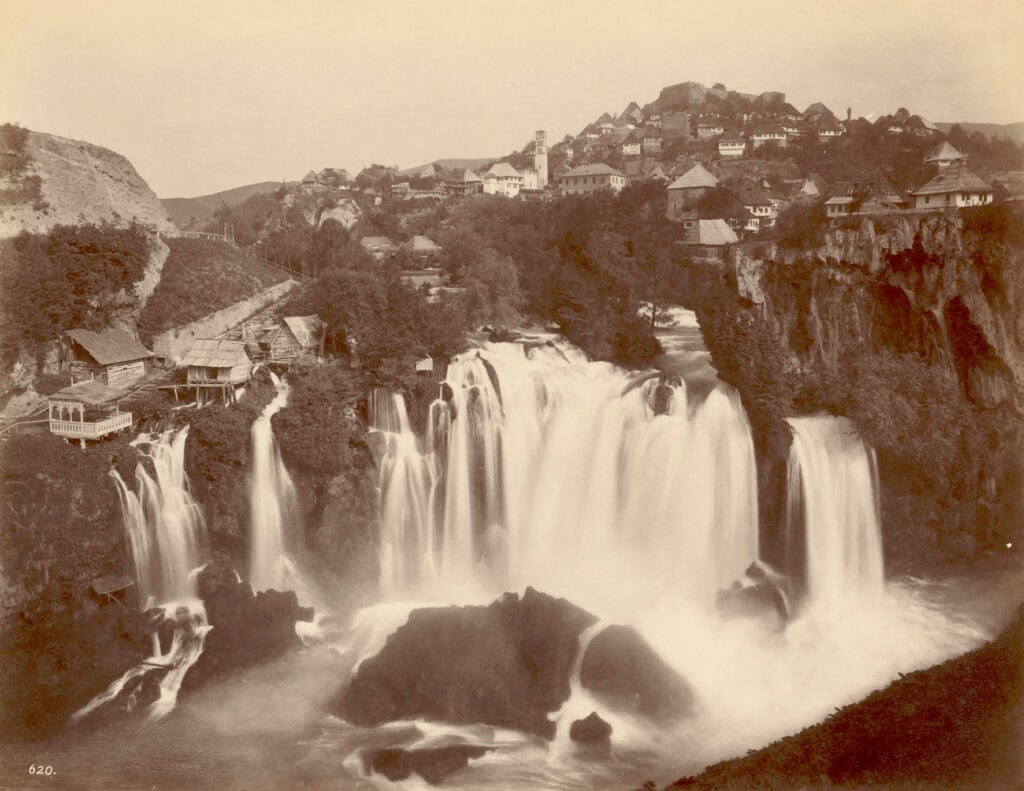
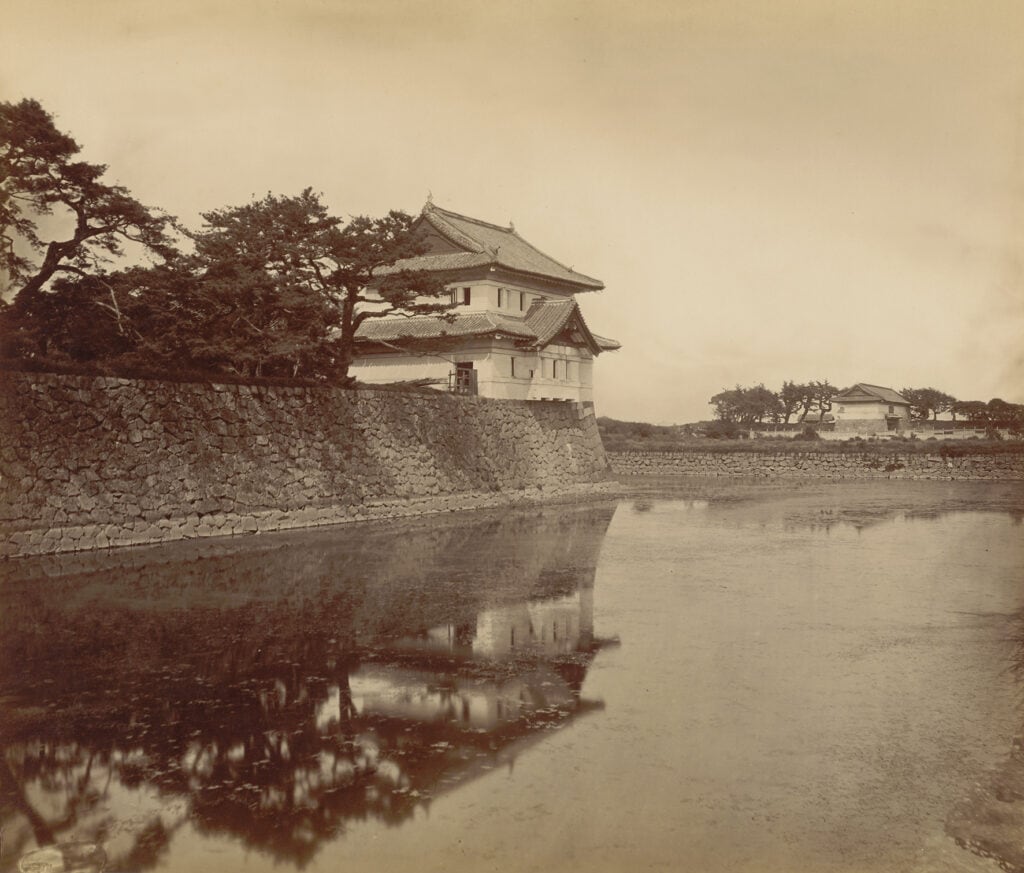
Visitors travel from the Alps to Egypt, the Holy Land, Japan, India and Bosnia, discovering how photography profoundly shaped European perceptions of these regions.
Behind every remarkable image stood extraordinary effort. Early photographers transported heavy cameras, glass plates and portable darkrooms across continents while working for governments, scientific institutions or commercial publishers. Their photographs circulated through exhibitions, books and portfolios, fundamentally influencing how distant places became known.
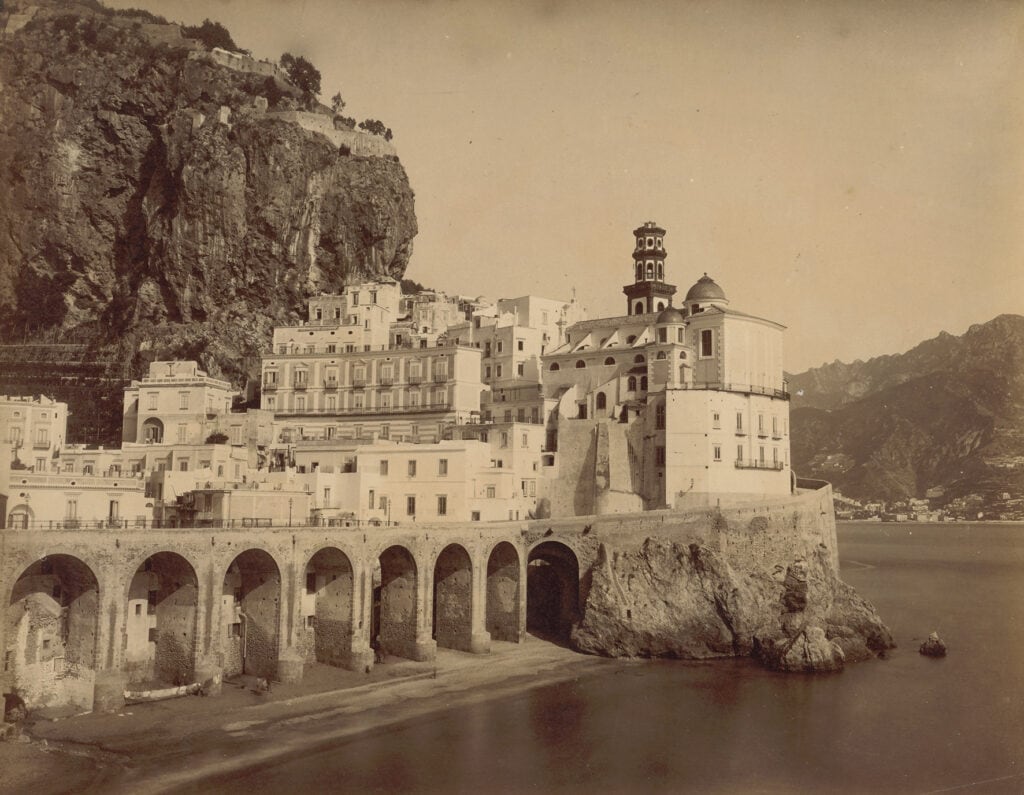
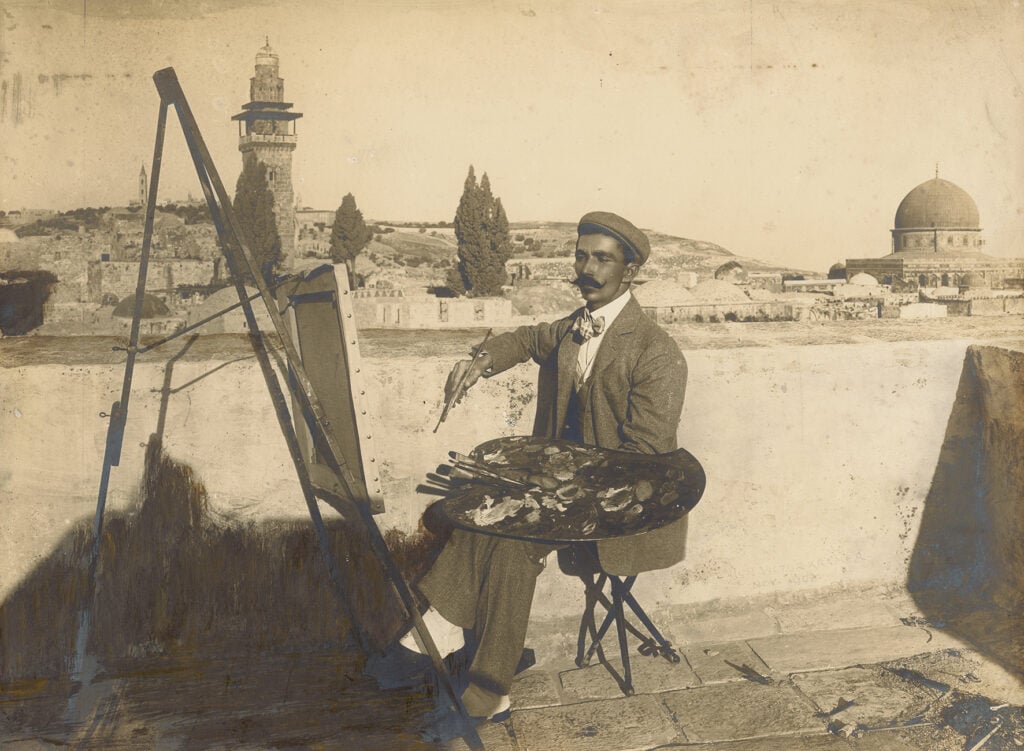
Von der Expedition zum persönlichen Blick
When Travel Became Personal
Towards the end of the nineteenth century, photography itself began to change.
Smaller cameras and new photographic techniques allowed for more spontaneous images. Travellers increasingly documented everyday encounters alongside famous landmarks. The introduction of Autochrome colour plates in 1907 opened an entirely new chapter, bringing vivid colour to travel photography and laying the foundation for the personal travel imagery we recognise today.
Photography was no longer only about documenting the world—it became a way of experiencing it.
Why This Exhibition Matters Today
In an age where billions of photographs are created every day, The World in Focus offers a timely reminder that images never simply reflect reality—they construct it.

The exhibition invites visitors to reconsider how photographs influence memory, curiosity and desire. Just as nineteenth-century travel photography defined Europe’s imagination of distant places, today’s digital The technology has changed.
The power of images has not.
A Journey Through the History of Seeing
Rather than presenting photography merely as historical documentation, The World in Focus explores curiosity, exploration, technological innovation and the enduring influence of visual storytelling.
It ultimately leaves visitors with a compelling question:
Do we truly see the world as it is—or as photography has taught us to see it for more than 150 years?