

Maison Margiela makes its visual memory public – redefining fashion, authorship, and the logic of archives.
Maison Margiela opens its visual archive to the public, challenging not only the conventions of archiving but also the mechanisms of fashion itself. Between digital accessibility and curatorial reinterpretation, a multilayered dialogue emerges around authorship, memory, and the future of the house.
A Radical Step Toward Transparency
Maison Margiela has never defined itself through visibility, but rather through its deliberate manipulation. This makes the house’s latest move all the more striking: the complete opening of its visual archive via a publicly accessible Dropbox.
What appears as a pragmatic act of digitization reveals a deeper, almost programmatic dimension. In an industry that often filters and mythologizes its history, Margiela embraces radical transparency.
Deconstruction as Method
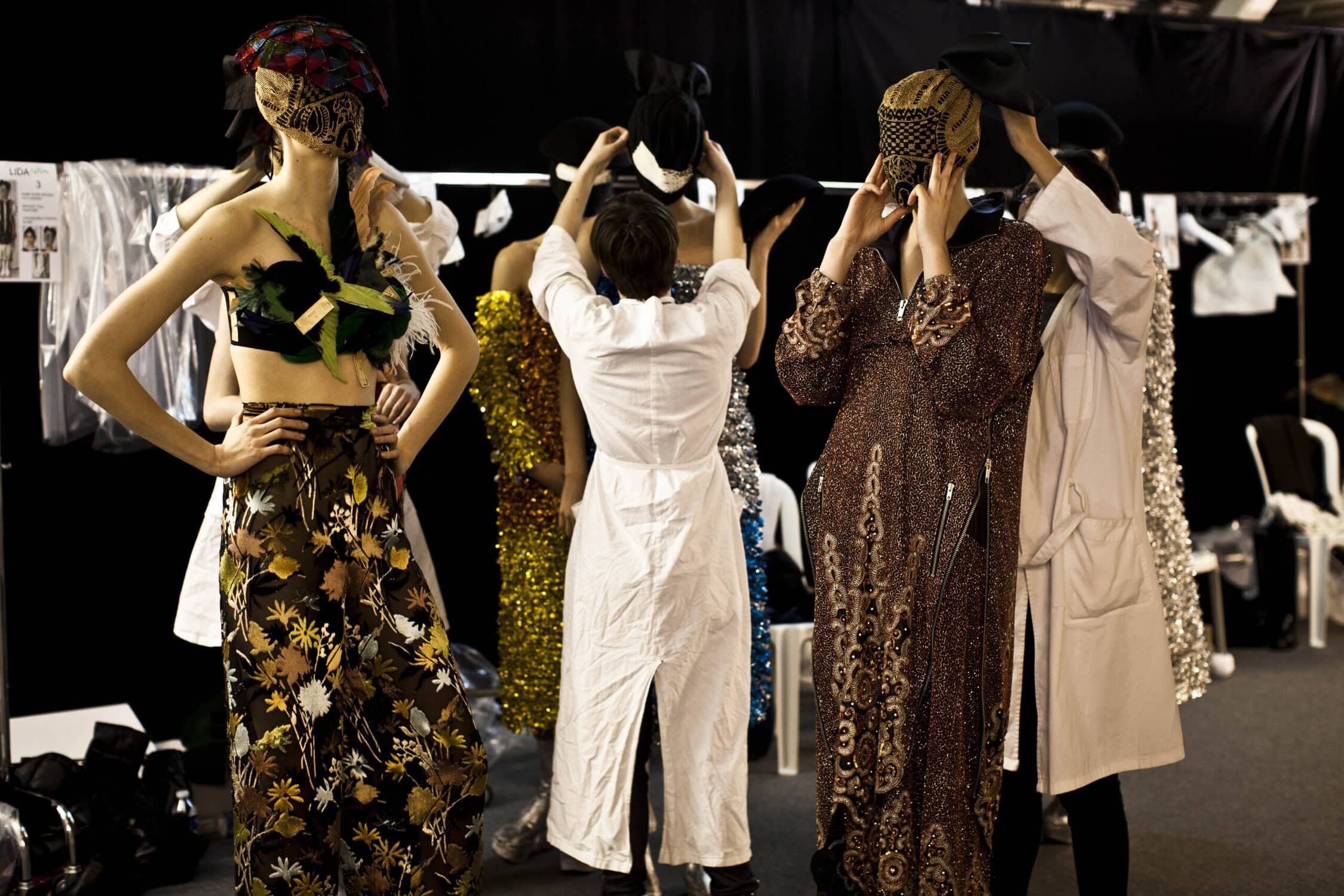
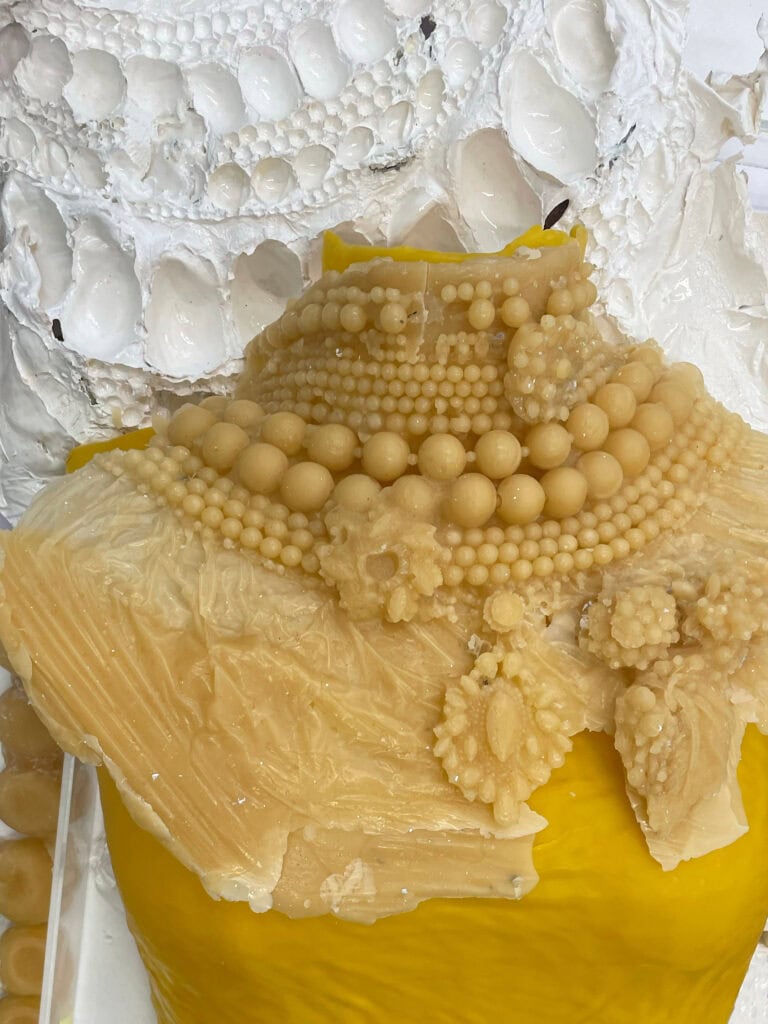
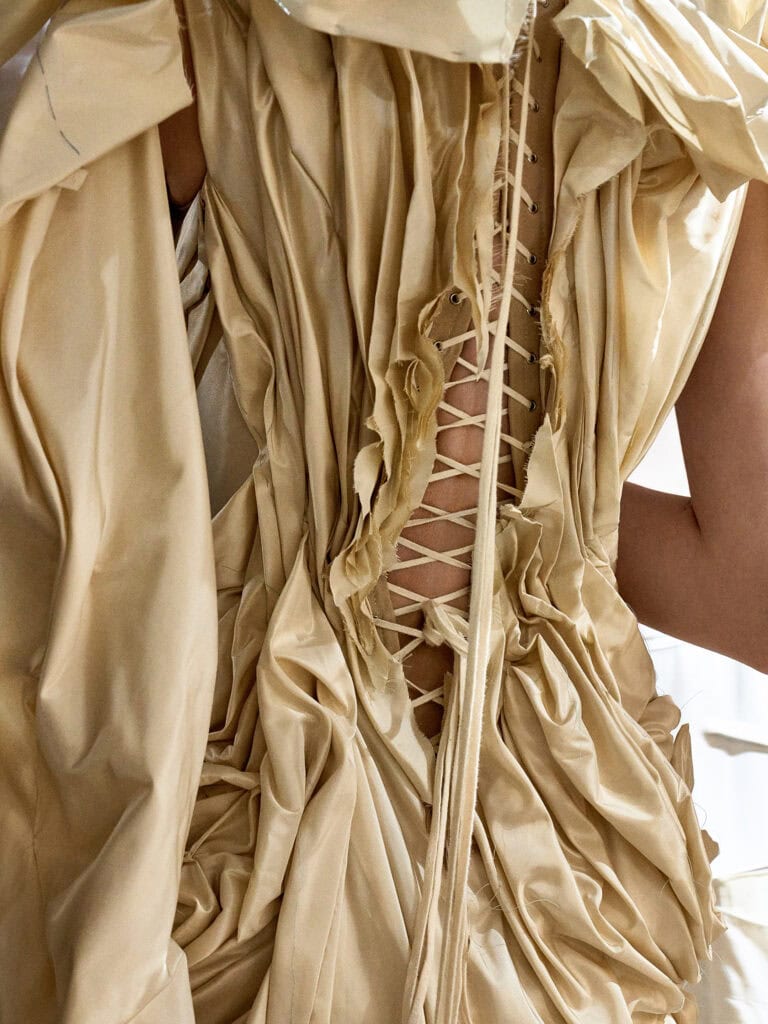
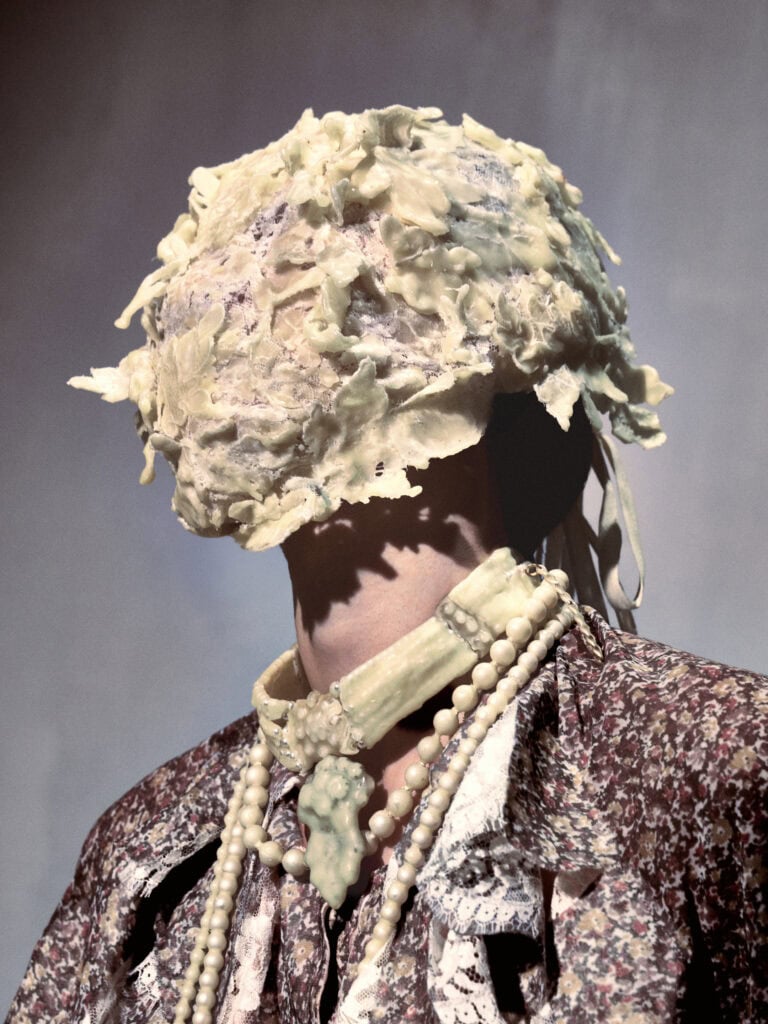
This gesture aligns with the brand’s DNA. Since its founding, Margiela has stood for deconstruction—making visible what others conceal. Seams were turned outward, linings became surfaces, and the unfinished became aesthetic.
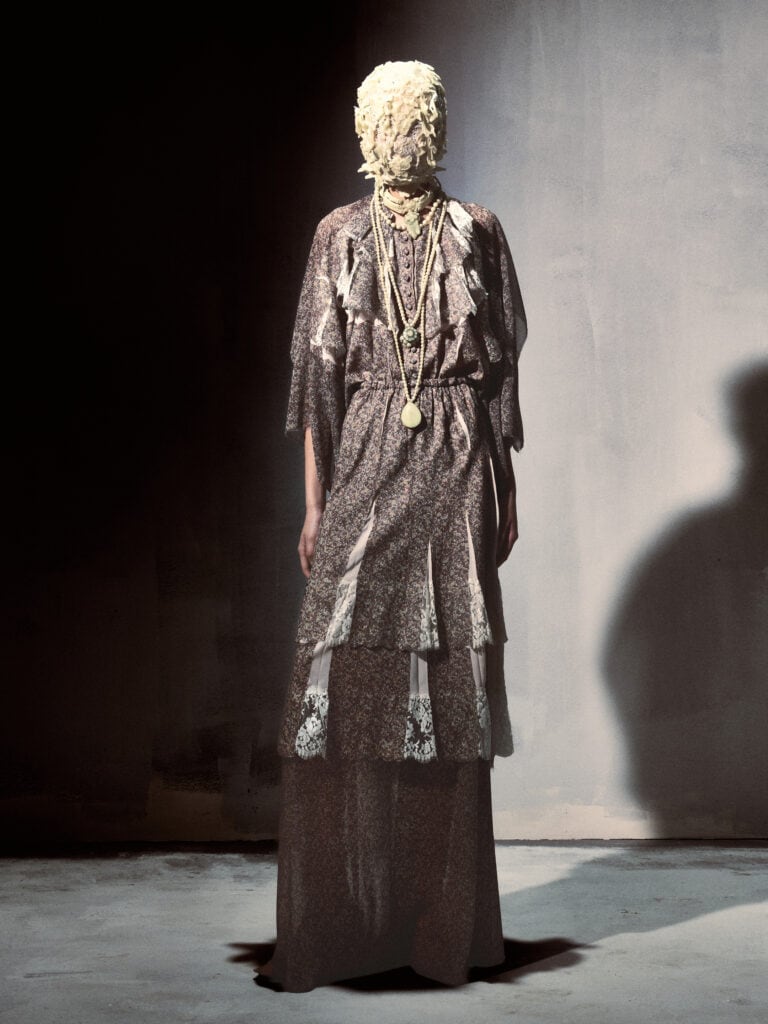
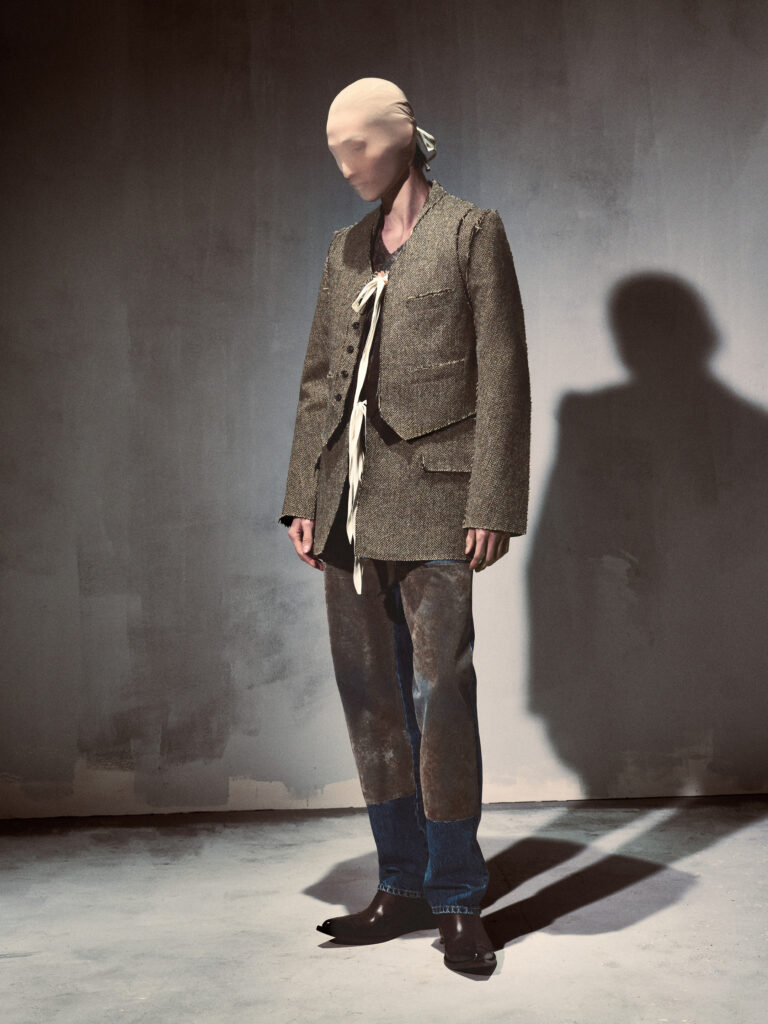
Now, this philosophy extends to the archive itself. Campaigns, runway documentation, and visual fragments are no longer arranged as a linear narrative but as an open system.
Less a traditional archive, more a tool—an invitation for stylists, curators, students, and enthusiasts to construct their own interpretations.
Exhibitions Reimagined
At the same time, 2026 marks a key moment for experiencing Margiela physically. Multiple exhibitions translate digital openness into spatial encounters.
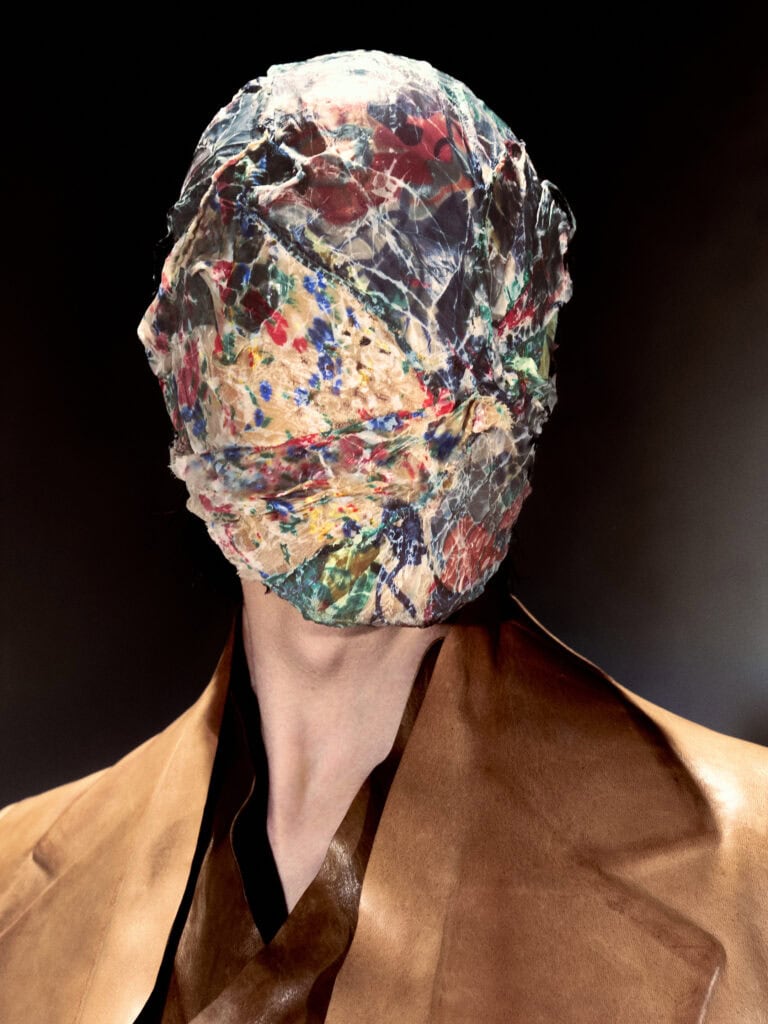
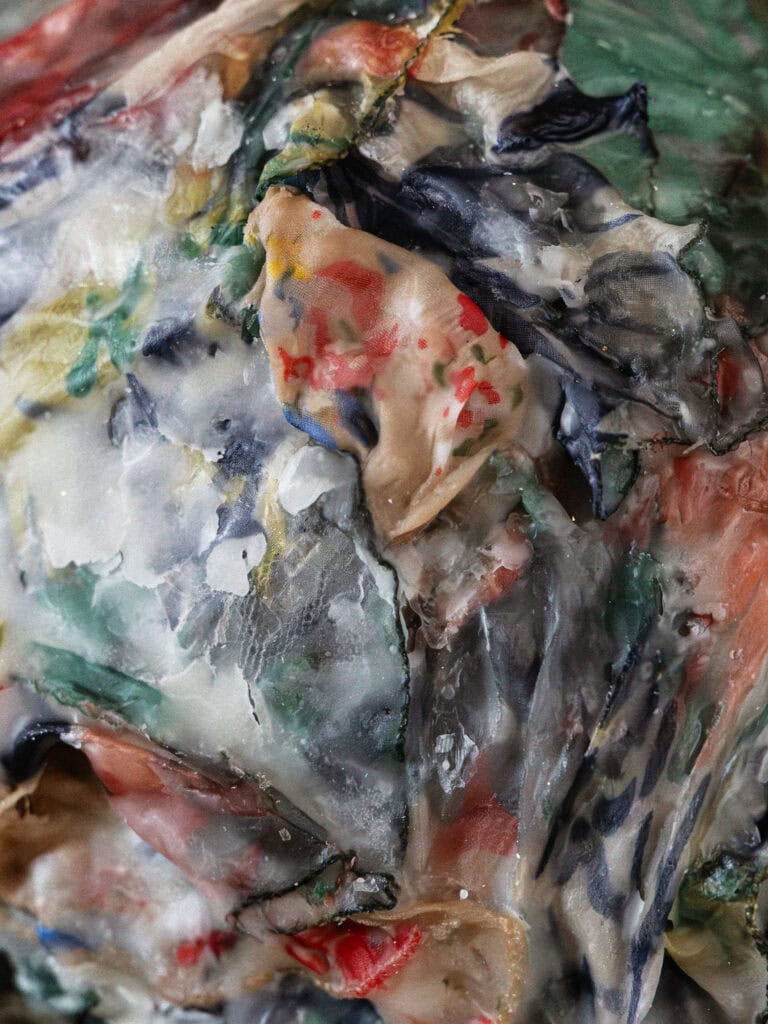
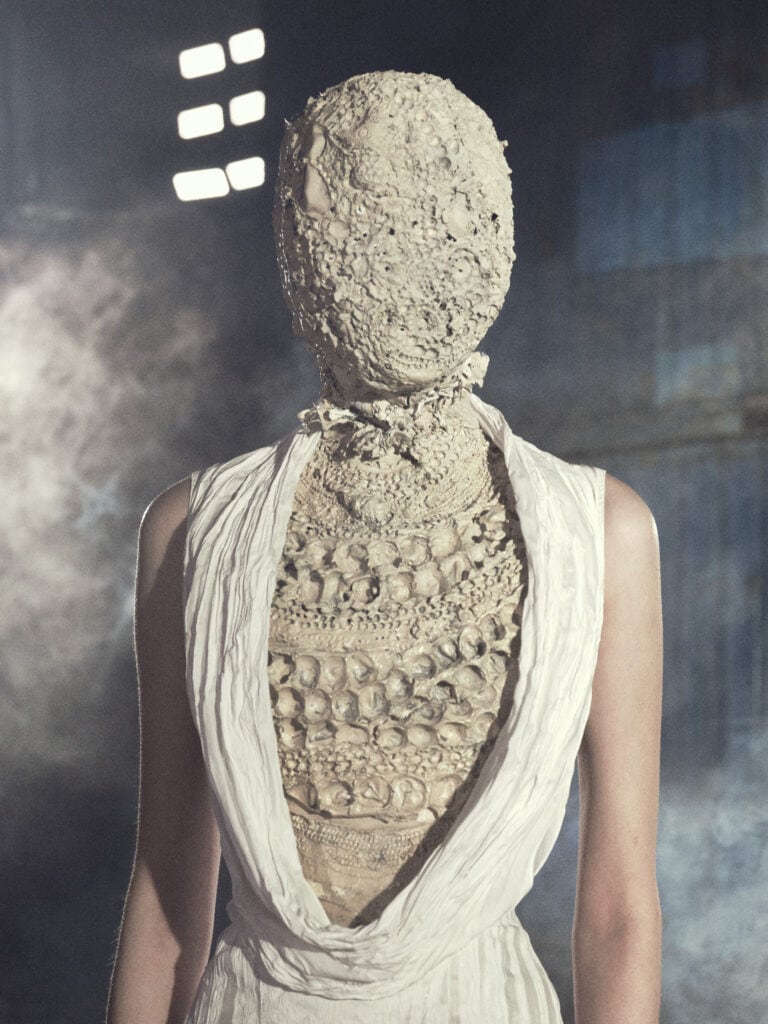
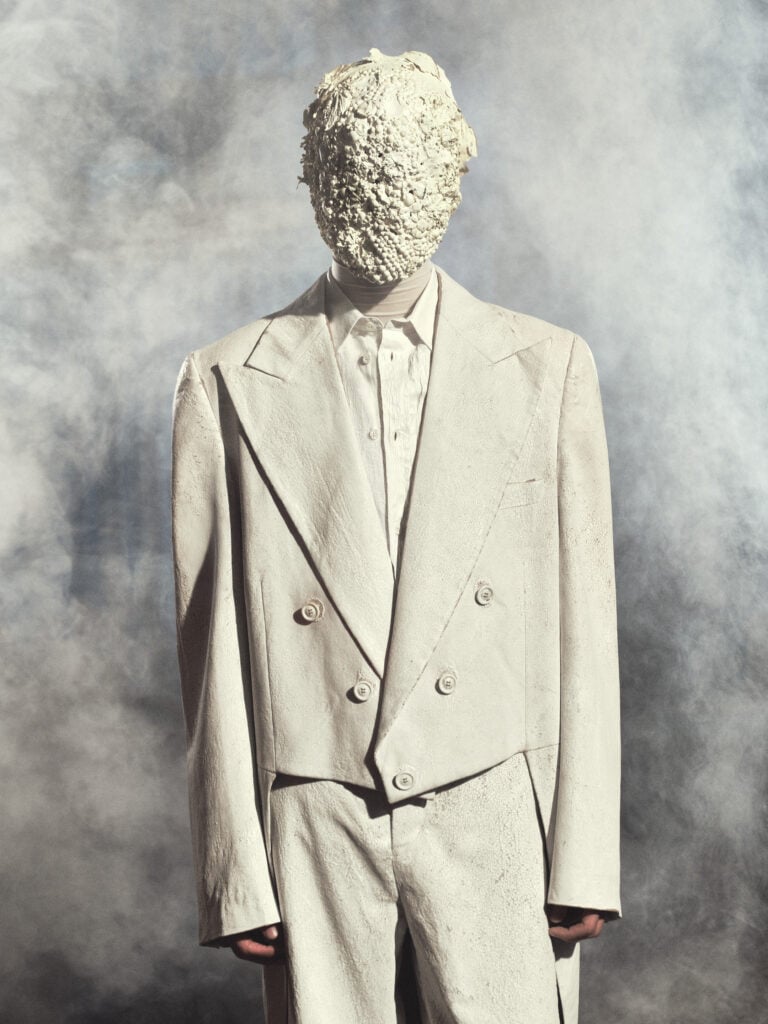
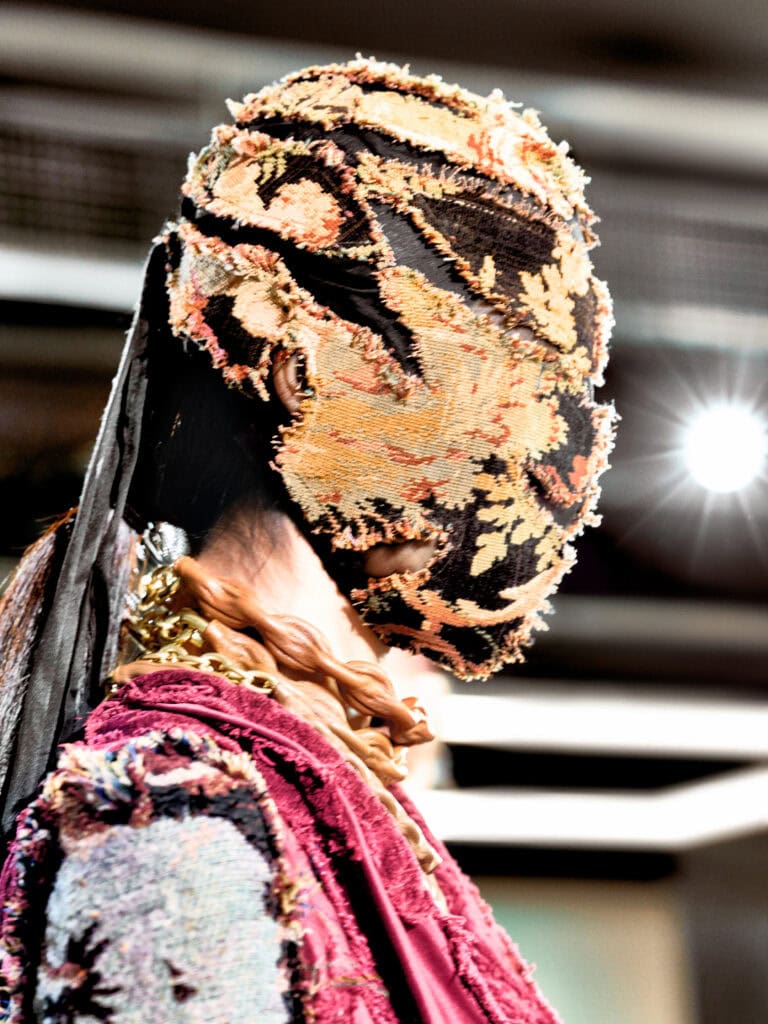
Some focus on early conceptual shows, while others highlight materiality—textiles, techniques, and the quiet radicalism of craftsmanship.
A Shift in Curatorial Perspective
A notable shift is taking place:
From retrospective storytelling to fragmented, thematic explorations.
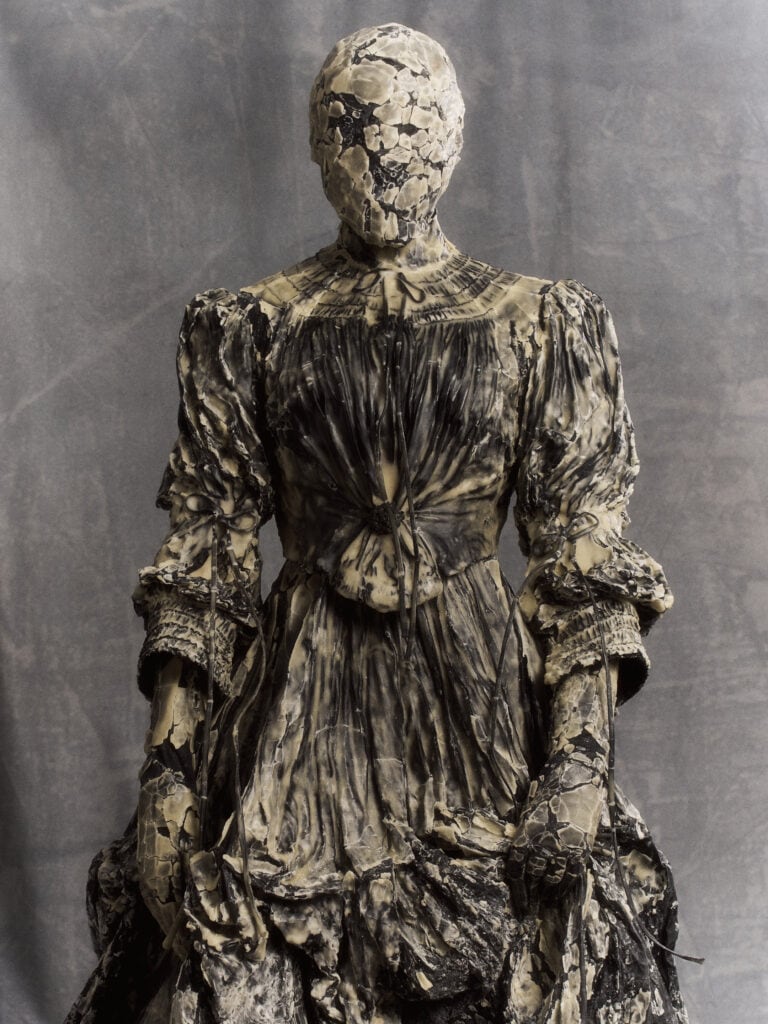
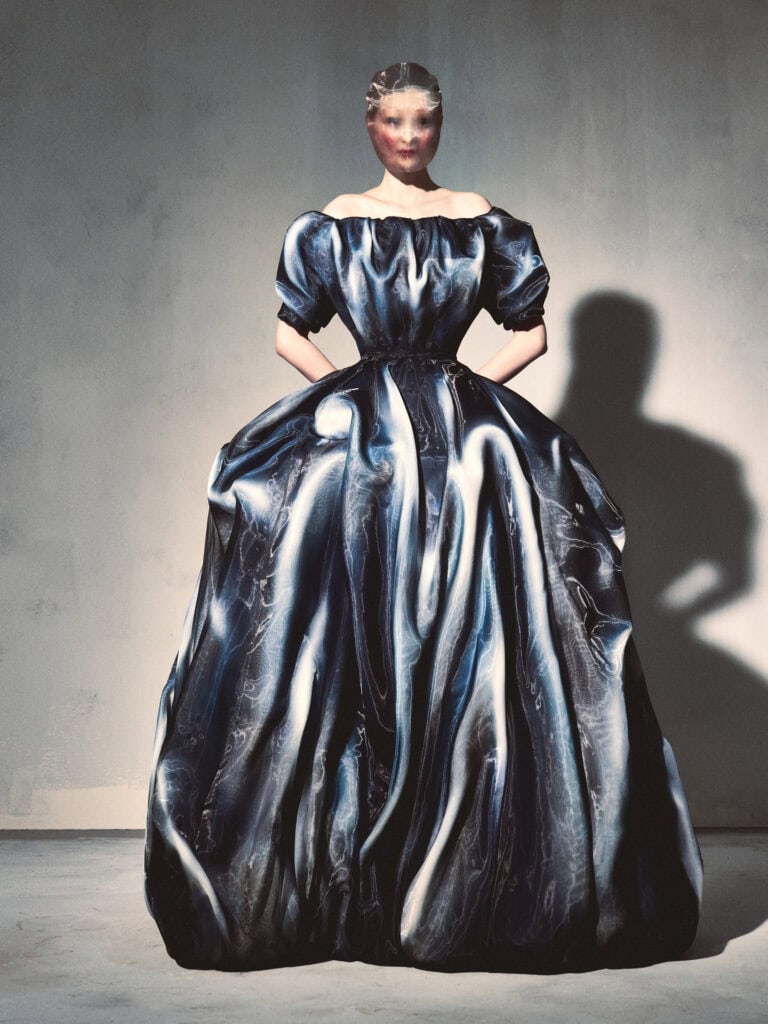
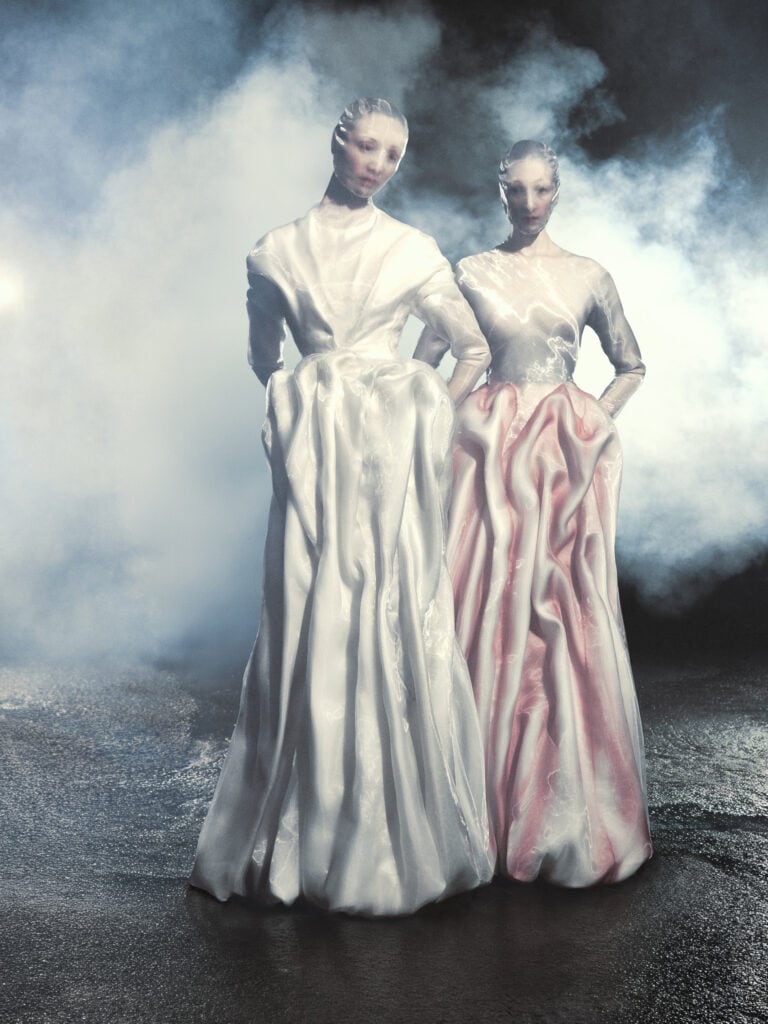
One exhibition focuses entirely on the color white—from atelier coats to anonymized labels. Another explores the relationship between body and garment—volume, displacement, concealment.
This reflects not only the complexity of the house but also a changing audience—one less interested in linear narratives and more in layered meaning.
Where Digital Meets Physical
The interplay between digital archive and exhibition practice is key. Curators increasingly use the Dropbox not just for research but as part of the display itself.
Screens, projections, and interactive formats integrate the material directly, creating an expanded space where physical and digital converge.
The line between original and reproduction becomes intentionally blurred—true to Margiela’s long-standing view of authenticity as negotiable.
A Turning Point for the Industry
This move may signal a broader shift within fashion. At a time when archives are strategic assets, Margiela’s openness feels almost subversive.
It challenges exclusivity and restricted access, favoring collective appropriation instead.

In doing so, it creates a new kind of value: visibility as cultural capital—one that unfolds through use, not ownership.

Fashion as Living Memory
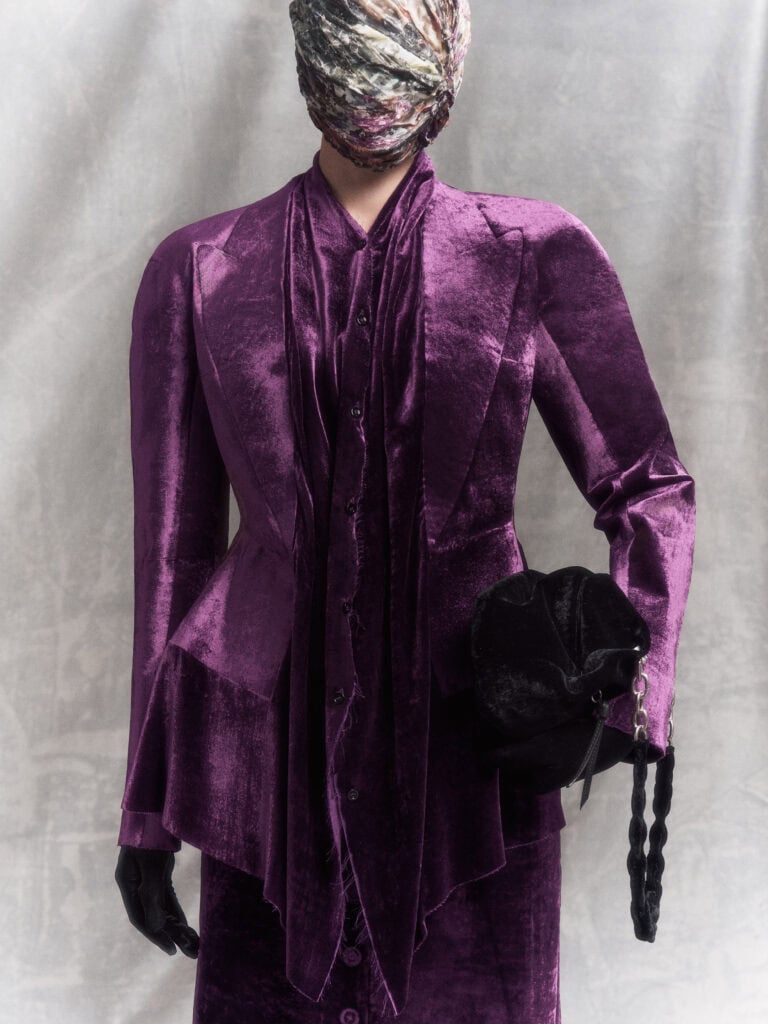
The initiative reshapes how fashion is remembered. Instead of fixed narratives, a dynamic memory emerges—fed by individual perspectives.
The archive’s images become building blocks for future stories across editorials, exhibitions, and digital formats.
A Quiet Statement
Ultimately, the project is a statement:
Fashion is not a closed chapter but an ongoing dialogue.
Maison Margiela opens not only its archive but the space for interpretation—highlighting that relevance today stems less from control and more from accessibility.
Between intimacy and exposure, material and image, a new form of luxury emerges:
the freedom to construct meaning.