
A poetic exploration of space, sustainability, and sensory perception
In 2026, Maison Ruinart continues its artistic series “Conversations with Nature” with Japanese artist Tadashi Kawamata. His installations invite us to slow down, observe, and reconnect with the subtle rhythms of the natural world.
Art that reshapes perception
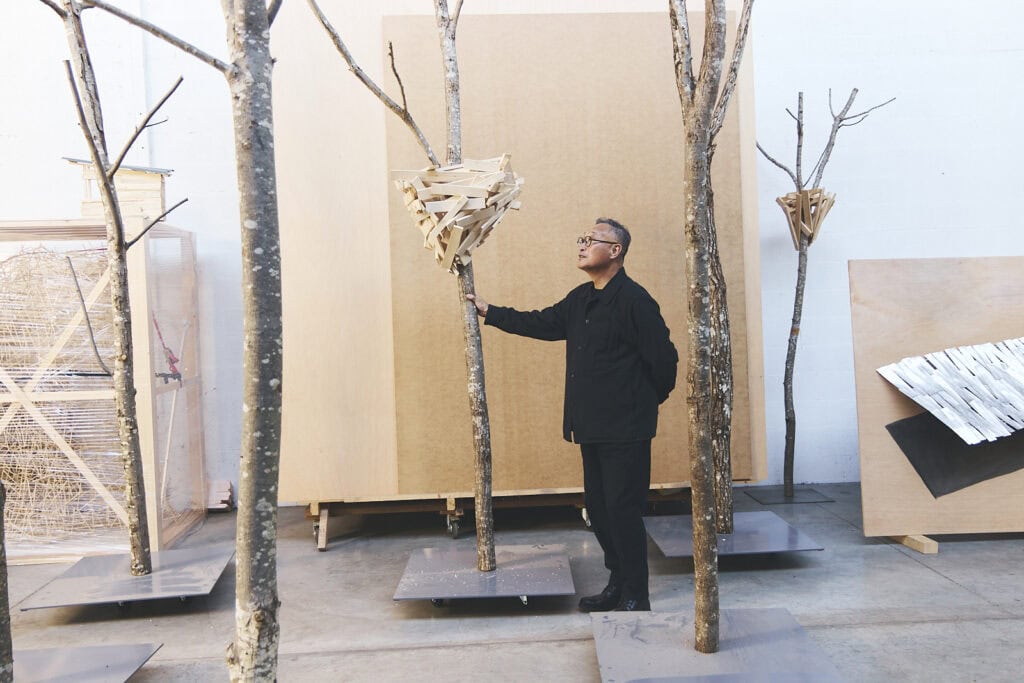
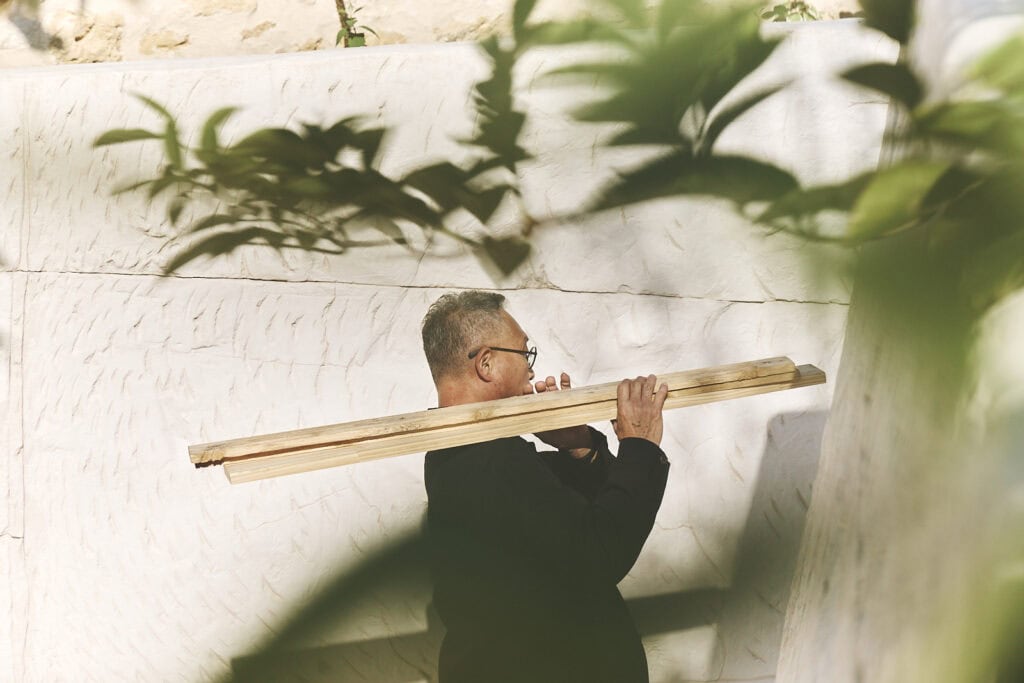
Tadashi Kawamata is known for his architectural interventions made from wood—often reclaimed materials—that interact directly with their surroundings. His works challenge our perception of scale, space, and permanence.
Rather than dominating landscapes, they coexist with them—creating new ways of seeing.
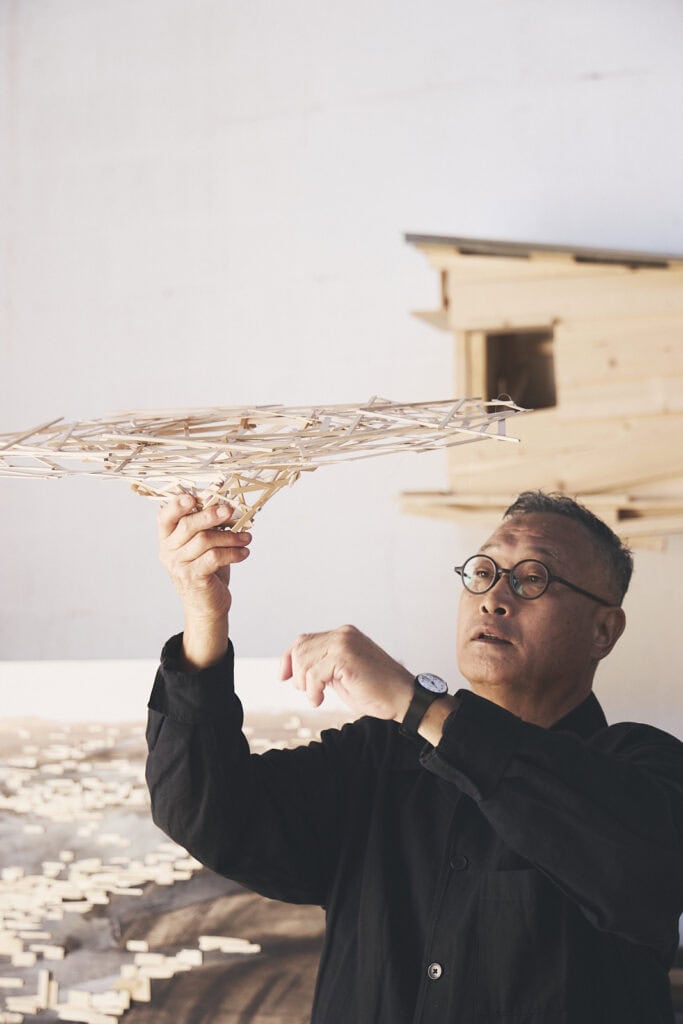
Inspired by the vineyards of Reims
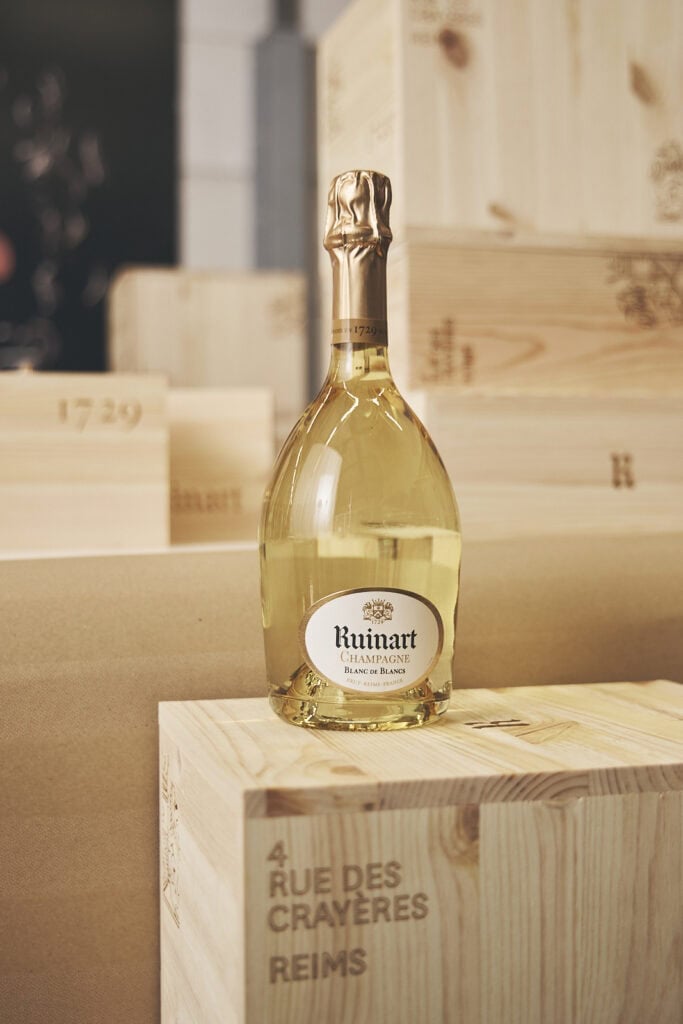
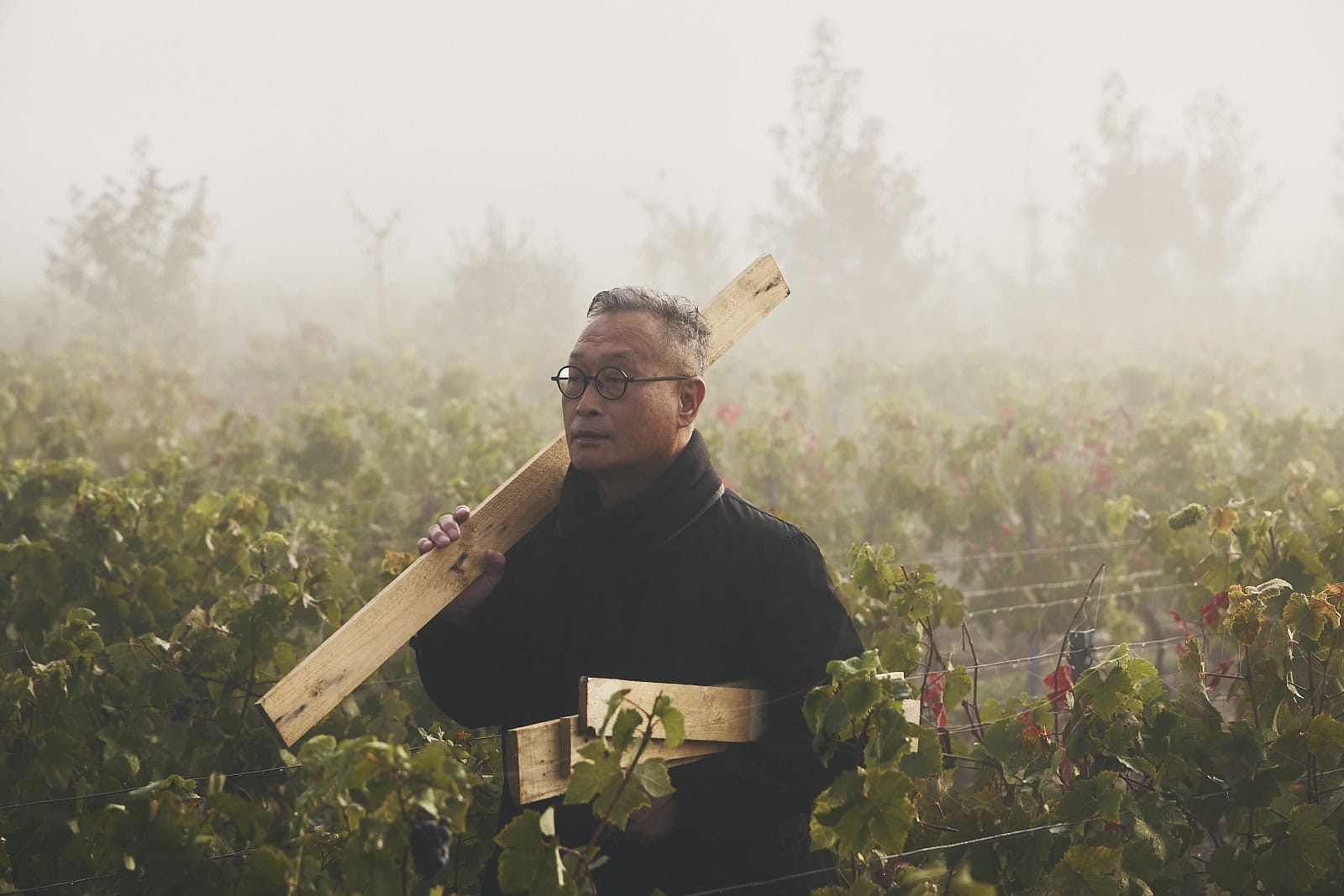
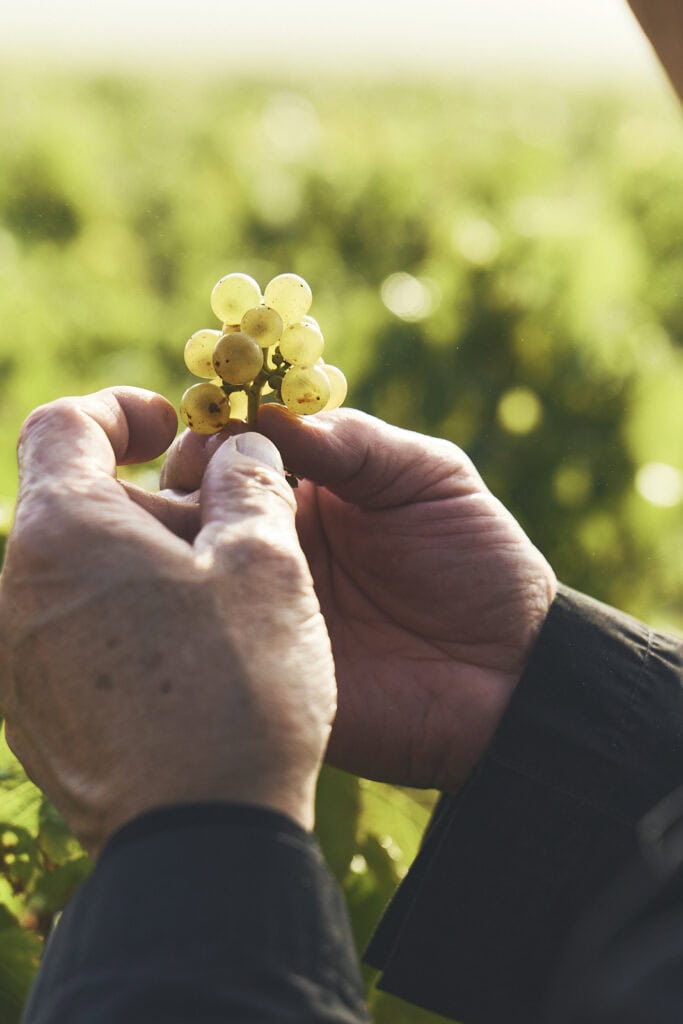
During his first visit to the historic site 4 RUE DES CRAYÈRES, Kawamata was struck by the sensory richness of the environment: misty mornings, shifting light, and the hidden ecosystems within the vineyards.
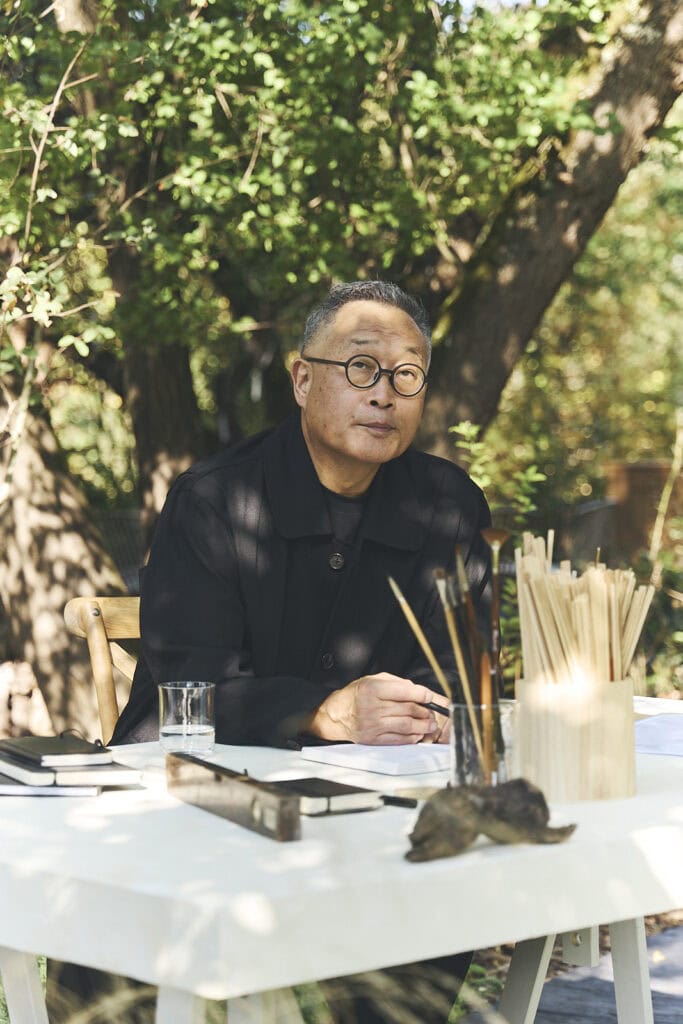
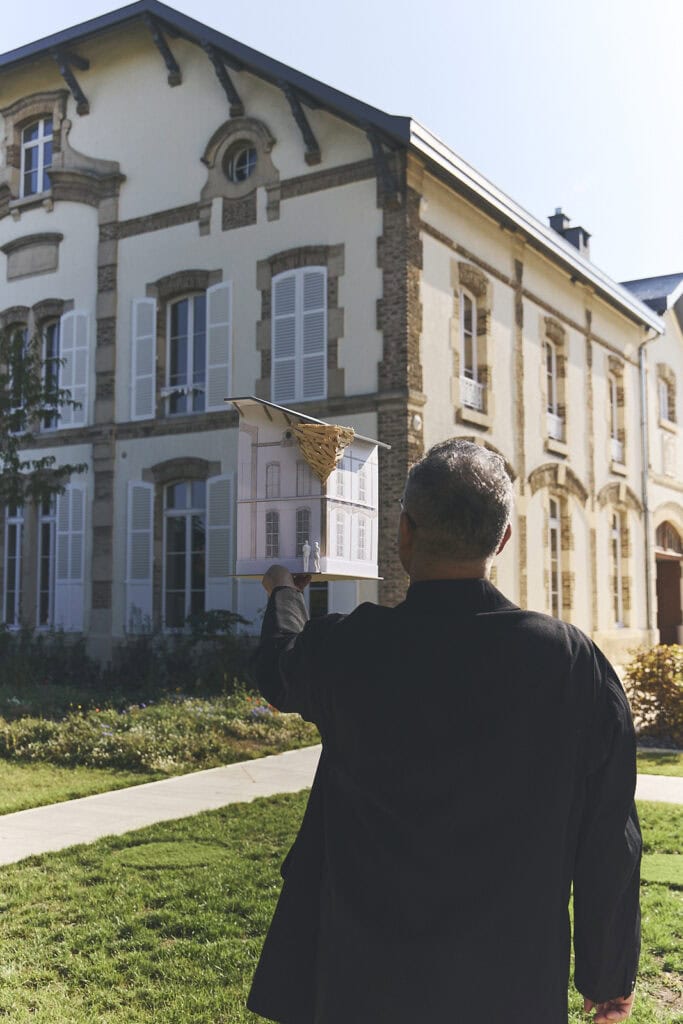
These impressions became the foundation for a series of drawings, models, and ultimately large-scale installations.
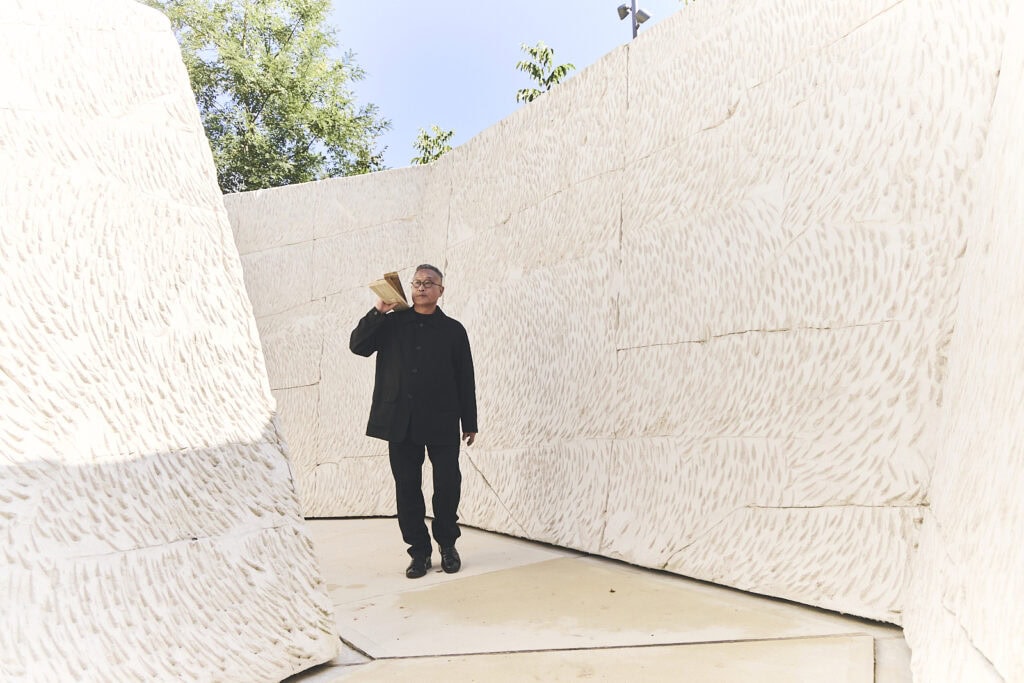
Three installations, one vision
In summer 2026, three permanent works—Cabane, Nid, and Observatoire—will be unveiled in Reims.
Together, they form an immersive experience, inviting visitors to engage physically and emotionally with nature and its subtle “vibrations”—essential to the harmony of champagne.
“Up here, you can clearly perceive every weather condition — the warmth of the sun, the humidity in the air, every breath of wind. These are things you experience with your senses, not your intellect. I want visitors to become aware of the passage of time, the formations of clouds in the sky, and the changing qualities of light.”
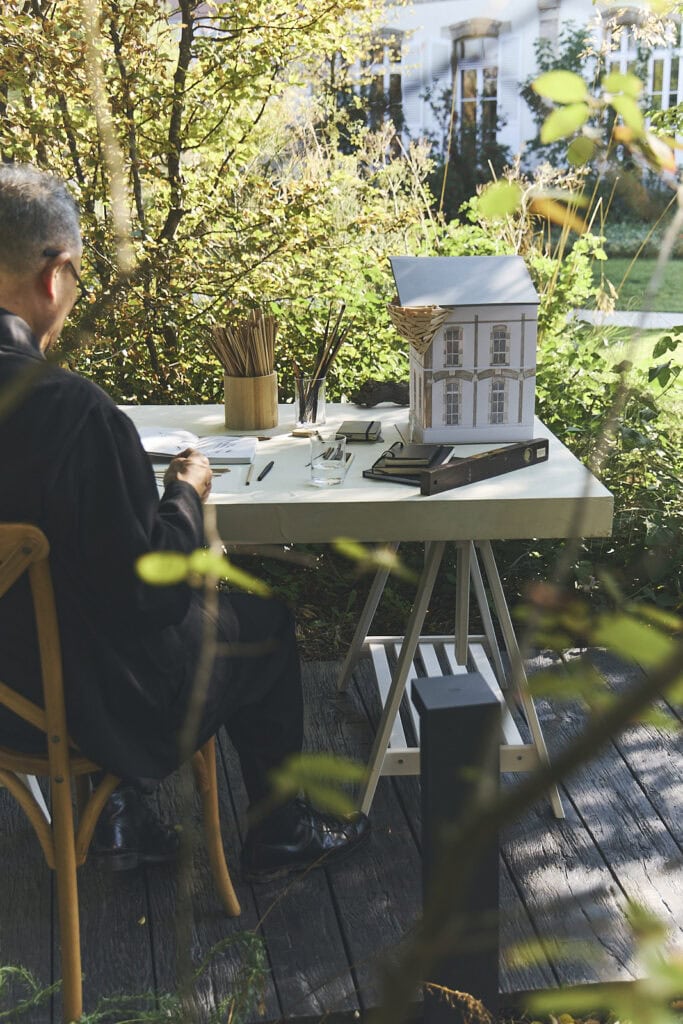
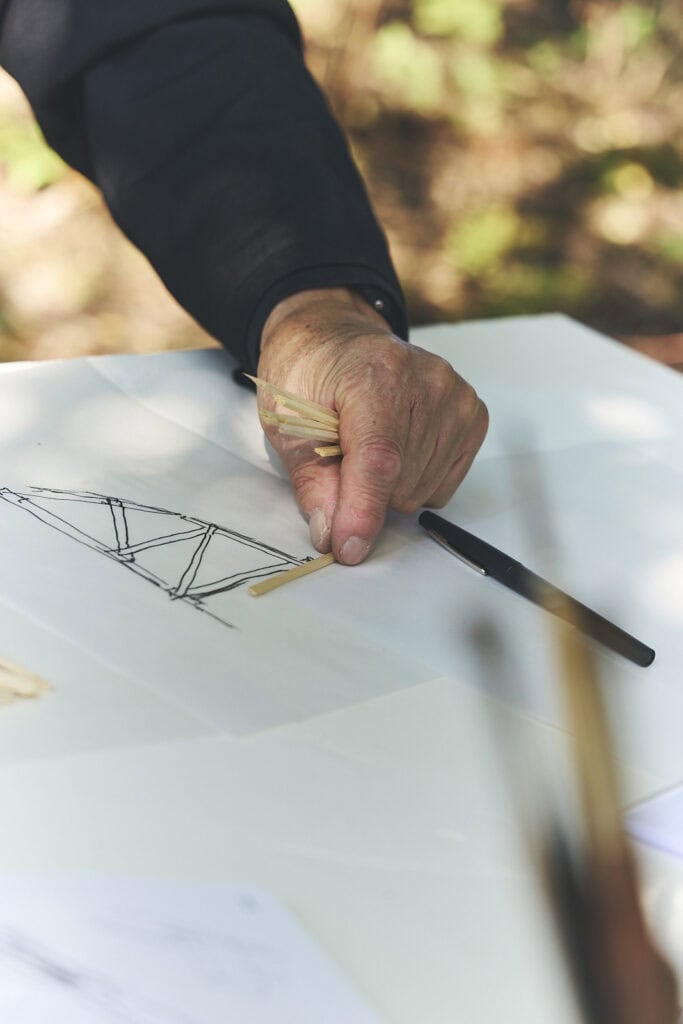
From model to monument
Kawamata’s creative process moves between miniature and monumental. Small-scale wooden models serve as conceptual explorations before evolving into immersive structures.
This shift in scale reflects his deeper inquiry into time, materiality, and spatial perception.

Ruinart’s artistic legacy
Ruinart has long embraced art as a way to express its relationship with nature. From historic collaborations to contemporary installations, the maison uses artistic perspectives to address environmental awareness and sustainability.
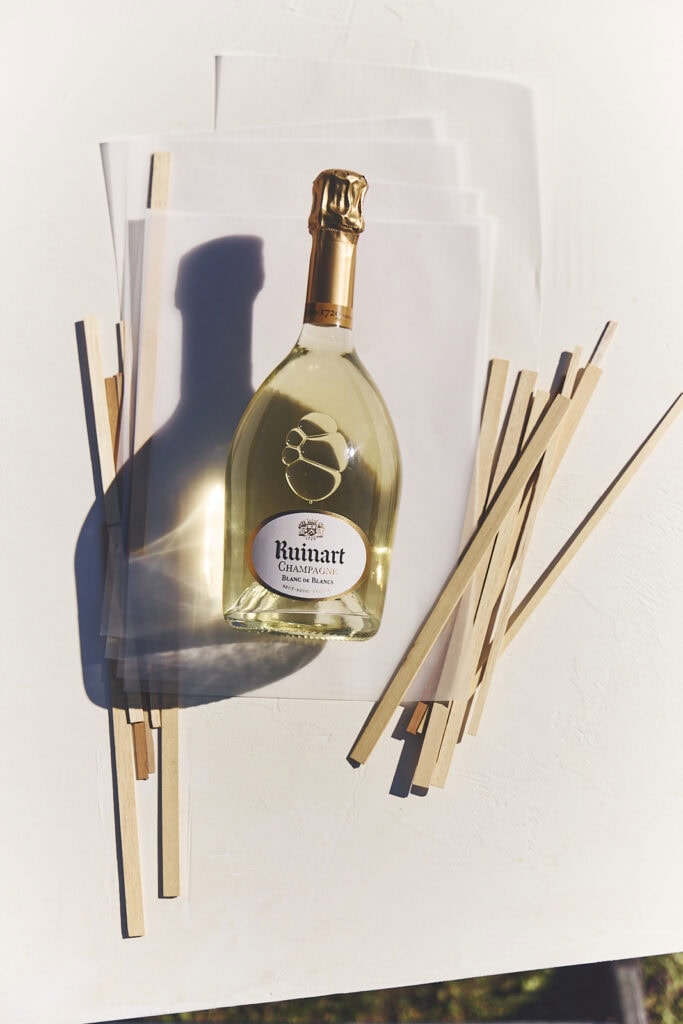
Kawamata’s work continues this legacy—bringing sensitivity, reflection, and meaning to the experience of champagne.

A cultural destination
Today, 4 RUE DES CRAYÈRES is a unique destination where heritage, architecture, and art converge. With UNESCO-listed cellars and contemporary design, it offers a multi-sensory journey into the world of champagne.
Kawamata’s installations add a new layer: a quiet, contemplative dialogue with nature.