



Why Optimism Could Become the Most Important Design Movement of Our Time
Between Crisis Mode and the Pursuit of Joy
Anyone following the news could easily conclude that the world is defined by uncertainty. Climate change, geopolitical tensions, economic challenges and a constant stream of negative information shape everyday life for many people.
At the same time, however, a surprising counter-movement can be observed across art, design, architecture and fashion. Colours are becoming bolder. Spaces are becoming more playful. Brands are speaking about joy rather than function. Even luxury is increasingly defined by emotion rather than status.
It is as if an entire generation has begun to consciously ask itself a fundamental question:
How do we want to live in a world that is becoming ever more complex?
One of the most visible representatives of this shift is British-Nigerian designer Yinka Ilori.
The Architect of Optimism
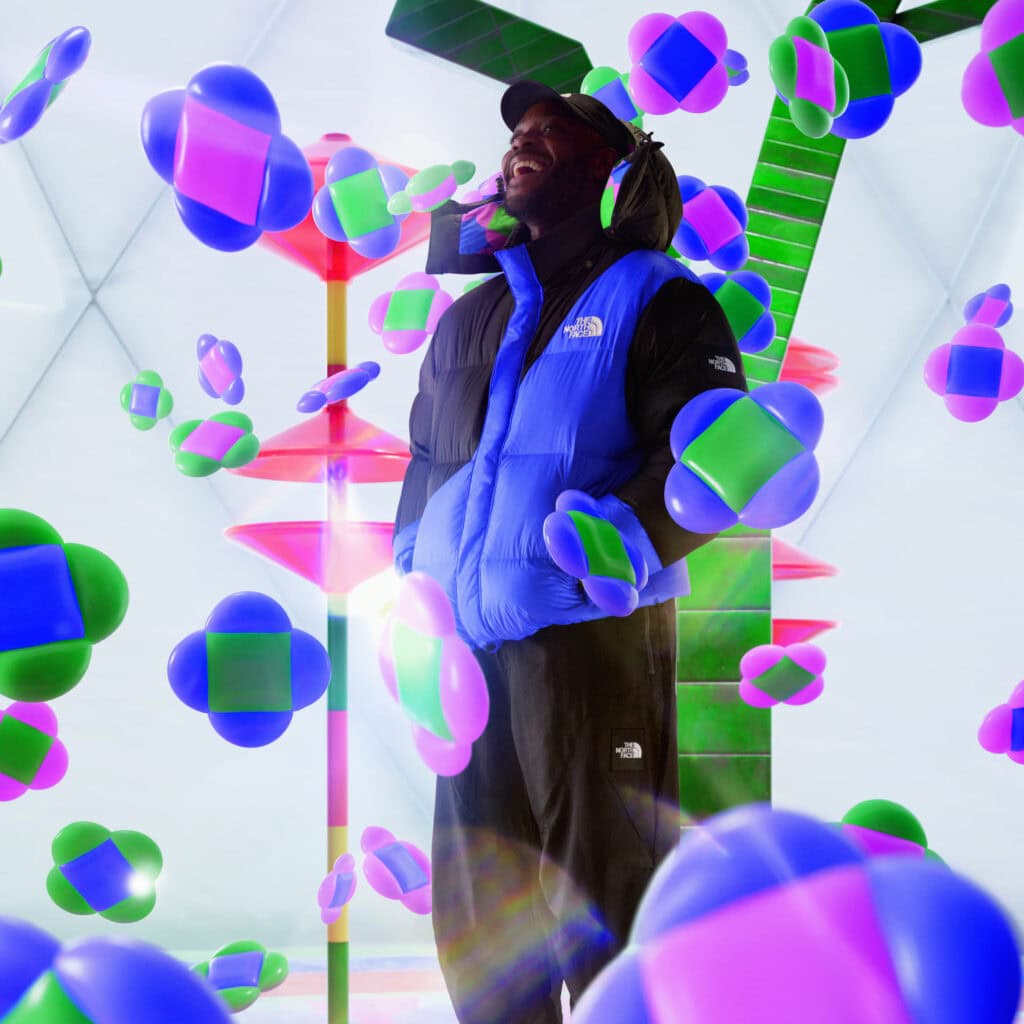
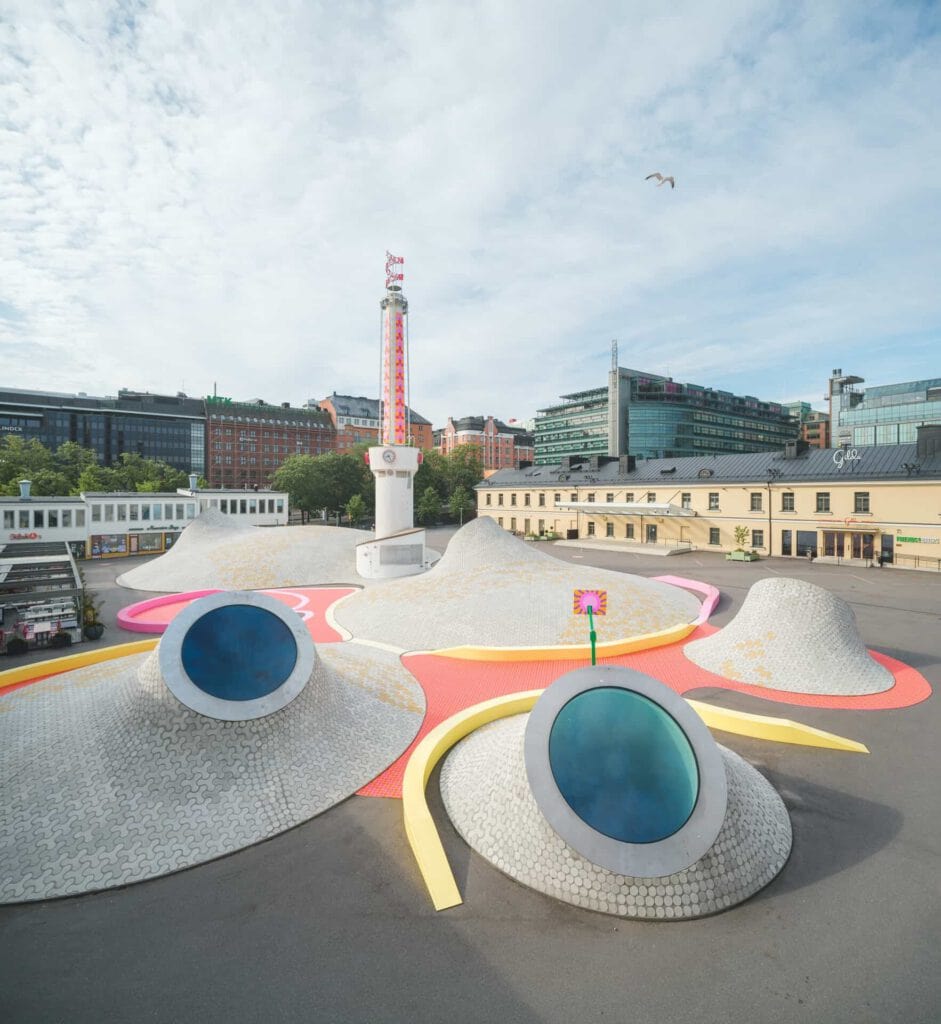
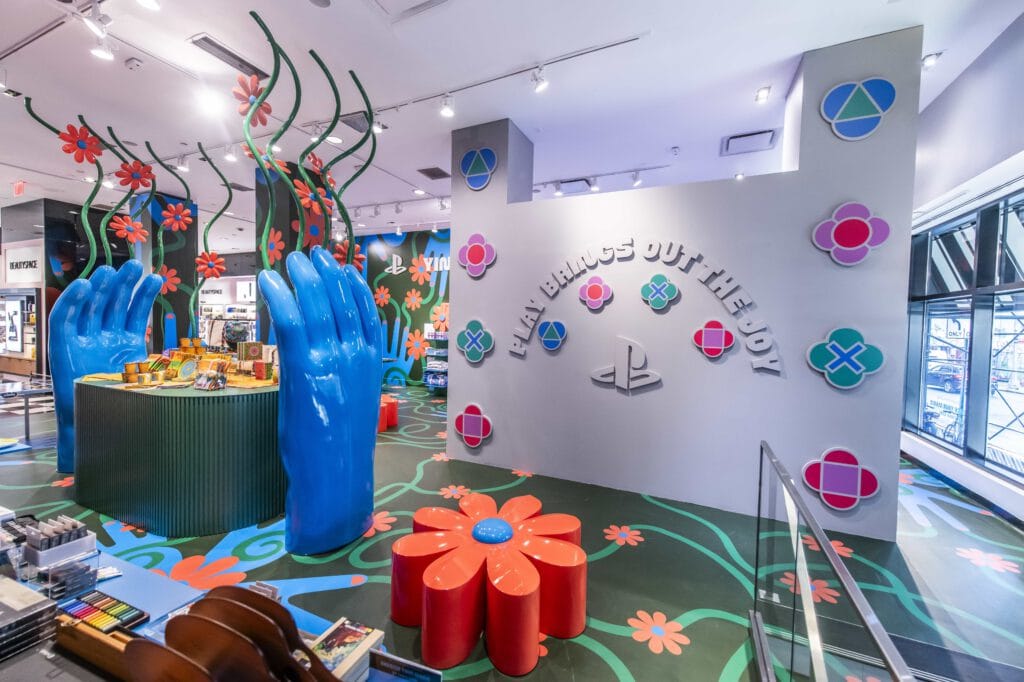
Yinka Ilori is often referred to as the „Architect of Joy“. His work is instantly recognisable through vibrant colours, graphic patterns and forms that feel closer to playgrounds than to conventional design objects.
Yet anyone who looks beyond the surface quickly realises that his work is not about decoration.
For Ilori, colour is a social tool.
His installations transform grey urban spaces into places of connection. His basketball courts become public works of art. His pavilions invite people to meet, converse and spend time together.
The real question behind his work is not:
What should a space look like?
But rather:
How should people feel within that space?
The Return of Joy
For decades, Design was dominated by an aesthetic of reduction. Minimalism became the universal language of architecture, fashion and interior design.
White walls. Neutral colours. Invisible technology.
Today, the pendulum seems to be slowly swinging in the opposite direction.
From the colourful collections of leading fashion houses and the rediscovery of expressive interiors to a new generation of hospitality concepts, joy is increasingly being understood as a design value.
Not as superficial entertainment.
But as a fundamental human need.
The desire for beauty, lightness and optimism may not be an escape from reality. It may, in fact, be a response to it.
Design as a Cultural Attitude
Interestingly, this development is not limited to the world of art.
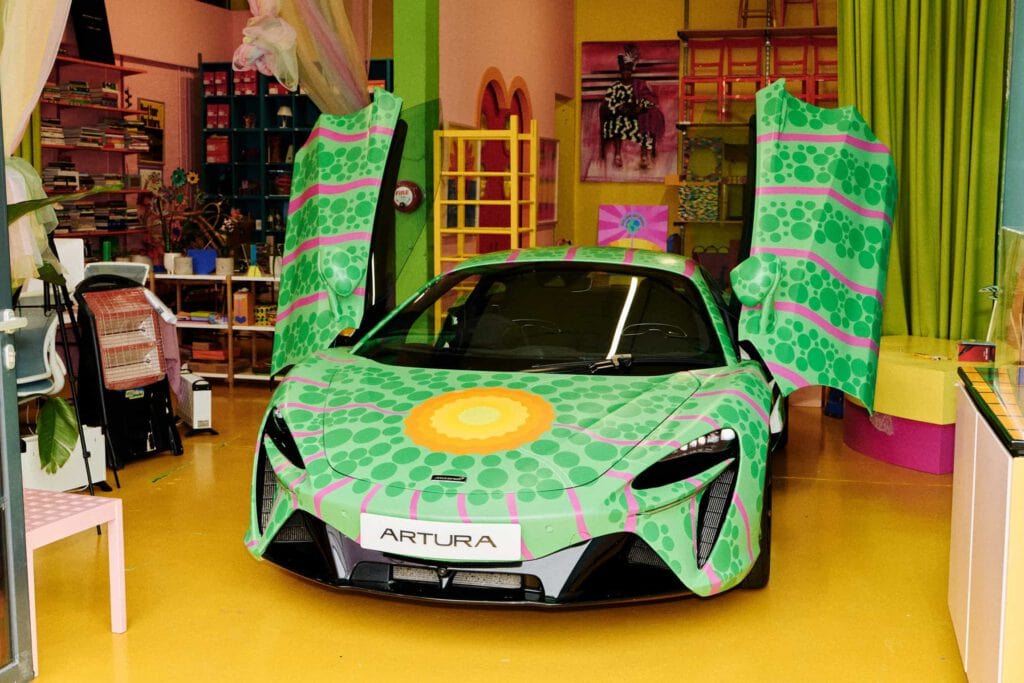
Cities are beginning to rethink how public spaces influence wellbeing. Hotels are evolving from places of accommodation into emotional experiences. Brands are searching for new ways not only to convince people, but to inspire them.
Yinka Ilori stands as a powerful symbol of this shift.

He does not see design as the production of objects, but as a cultural practice.
His projects demonstrate that design can be more than problem-solving. It can inspire hope. Foster community. Change perspectives.
Perhaps this is the true reason why his work resonates so strongly around the world.
The Future Might Be More Colourful
For a long time, optimism was considered naïve. Today, it is increasingly understood as a conscious choice.
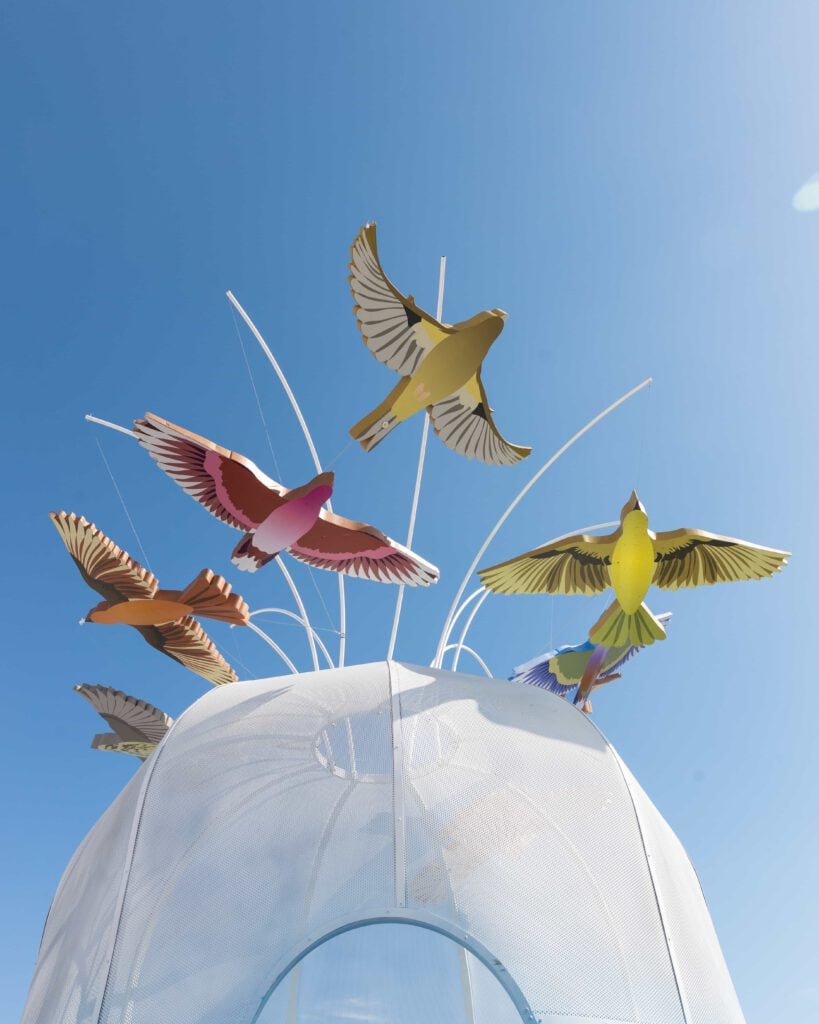
Not because problems have disappeared.
But because people are beginning to realise that the future is shaped not only by analysis, but also by imagination.
Yinka Ilori does not create escapist worlds.
He reminds us that joy, creativity and human connection are not secondary concerns. They are among the forces that hold societies together.
Perhaps this explains the growing fascination with his work.
In a world that constantly talks about risks, he creates spaces for possibilities.
And that may well be the most important design message of our time.