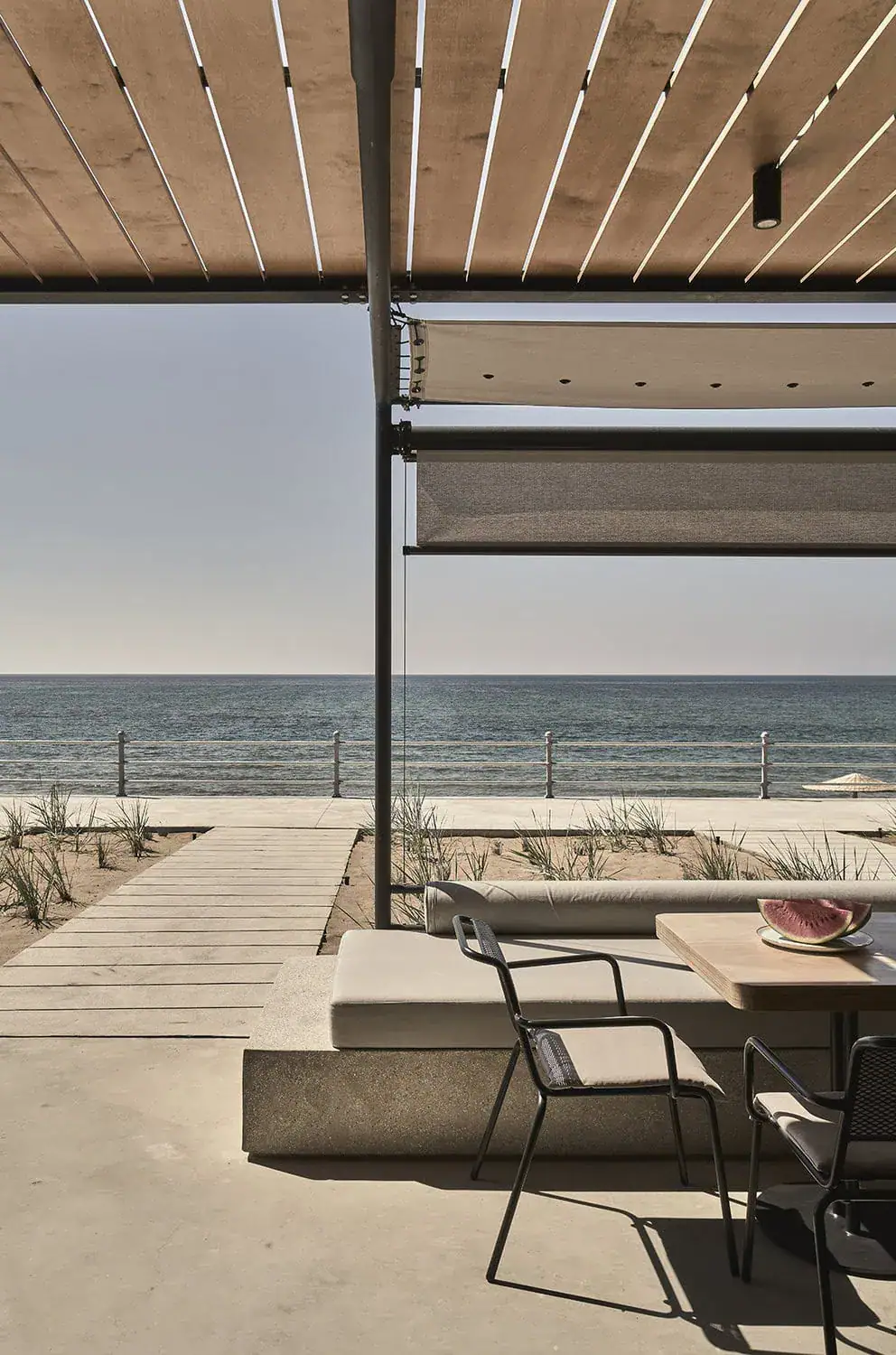



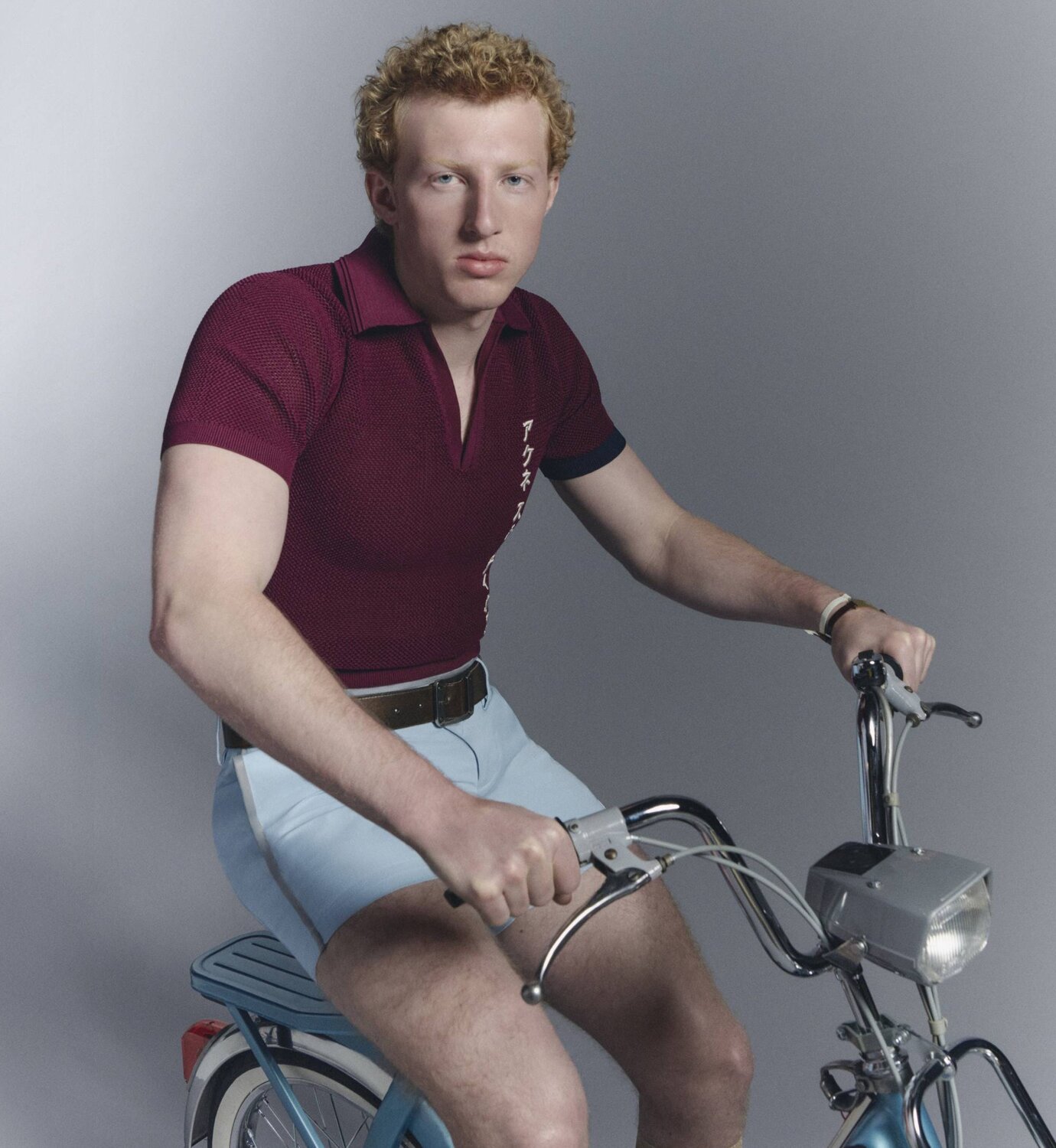
Spring/Summer 2026 reveals clothing as presence, attitude and a space of resonance
Clothing describes a state of being. It responds to the male body, to time, to inner tension. Spring/Summer 2026 shows how it exists, how it acts – without explanation. It does not speak, it does not seek consensus. It is present, and that is enough.
Text: Nina Prehofer
When clothing begins with the body
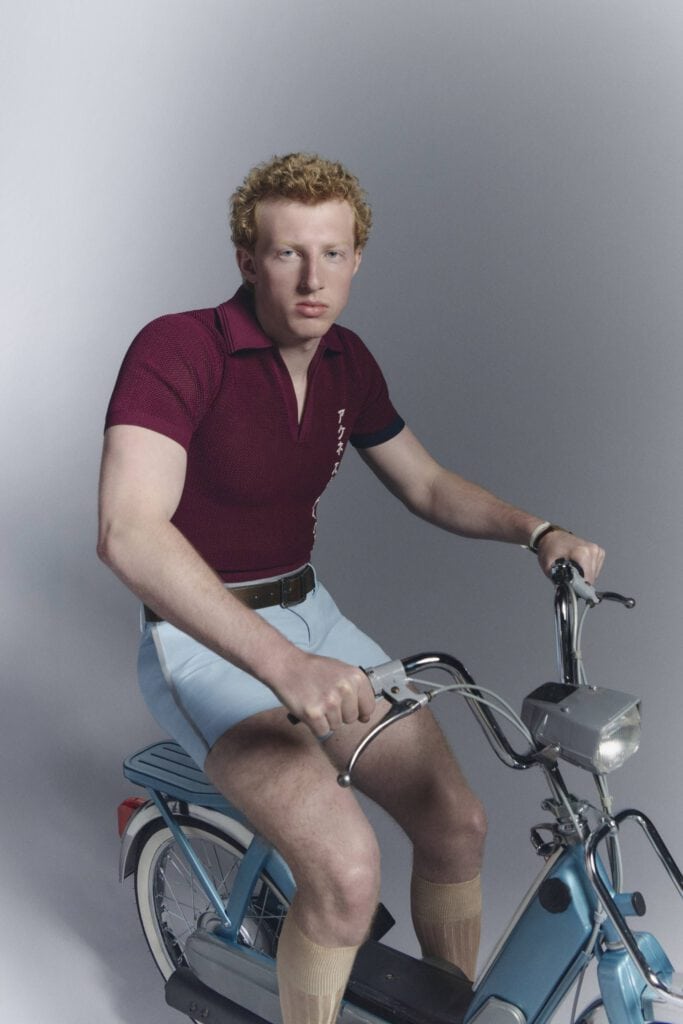
The season begins with the body, not the look. Sleeves extend, trousers slow down, fabrics react to movement. Silhouettes shift and tilt slightly—without it ever being entirely clear in which direction.
Labels such as Acne and MM6 present this development with a kind of effortless elegance, as if garments emerged purely from observation. With Rick Owens, however, the relationship between body and fabric becomes radical: volume, shadow and draping transform the body almost into a sculpture.
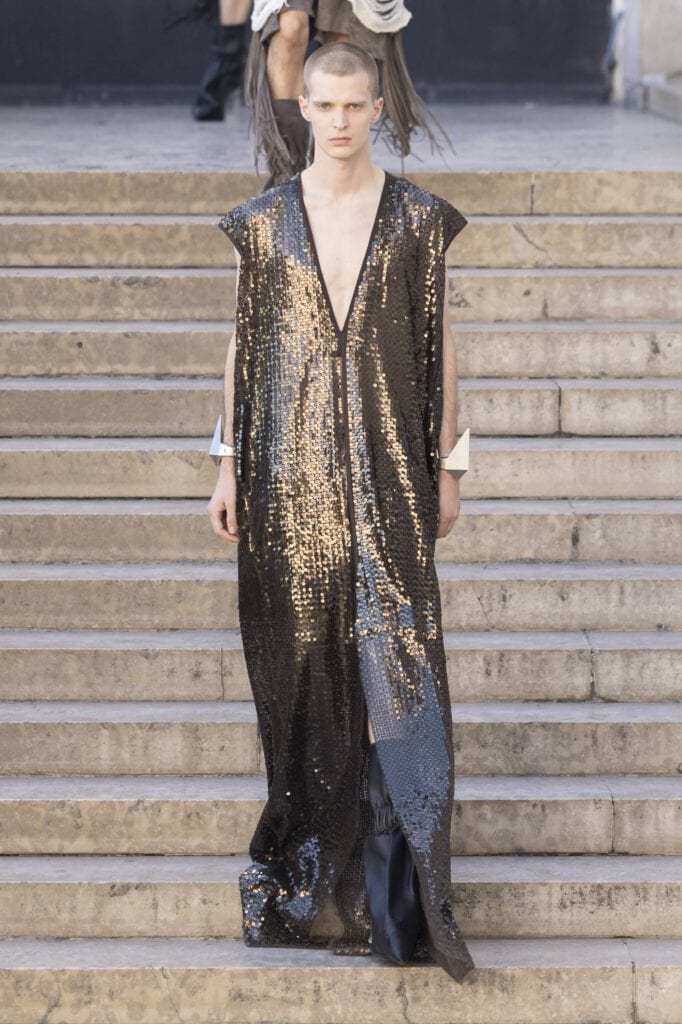
Owens’ designs function like stage sets. Artists such as A$AP Rocky or Kanye West do not simply wear them—they extend their presence through them. Clothing becomes an aura that surrounds the body.
Emotion in material and texture
Emotion reveals itself not through narrative gestures but through materiality. Antonio Marras layers fabrics like memories, his prints appearing like paintings on an invisible canvas.
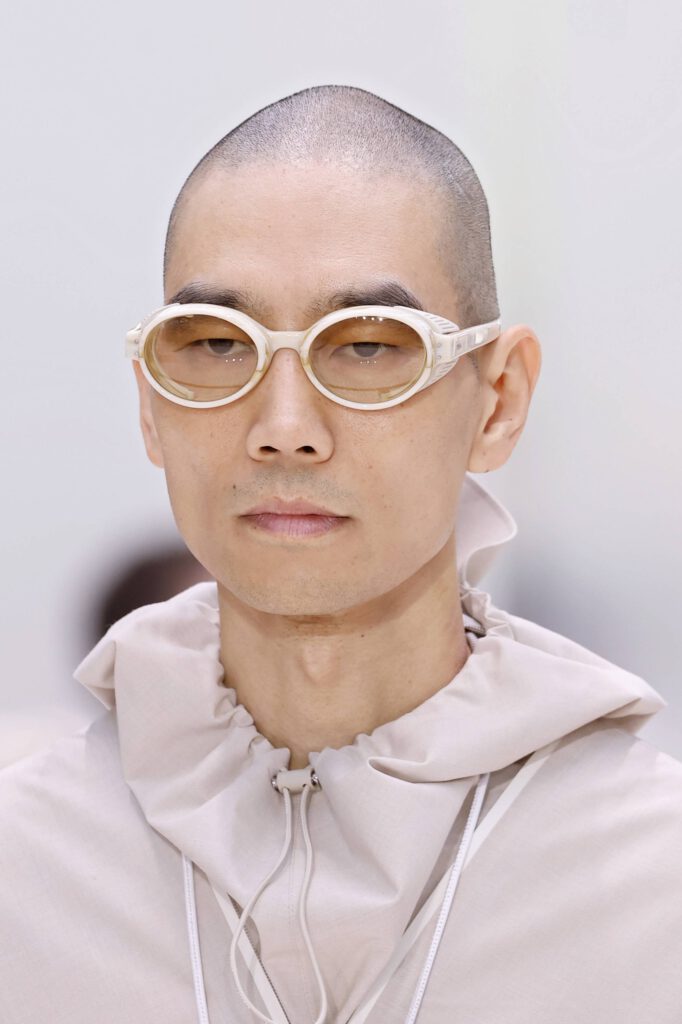
Modern style figures such as Timothée Chalamet and Harry Styles act as curators of these forms. They do not simply wear clothing—they interpret it. Patterns and silhouettes become extensions of their personalities.
Clothing becomes a space of resonance.
Not a stage. Not a costume.
Those who wear it subtly transform the space around them, while still remaining part of it.
Black as an attitude
Black remains central—but not as a uniform. The label Enfants Riches Déprimés uses it to create distance and provoke attitude.
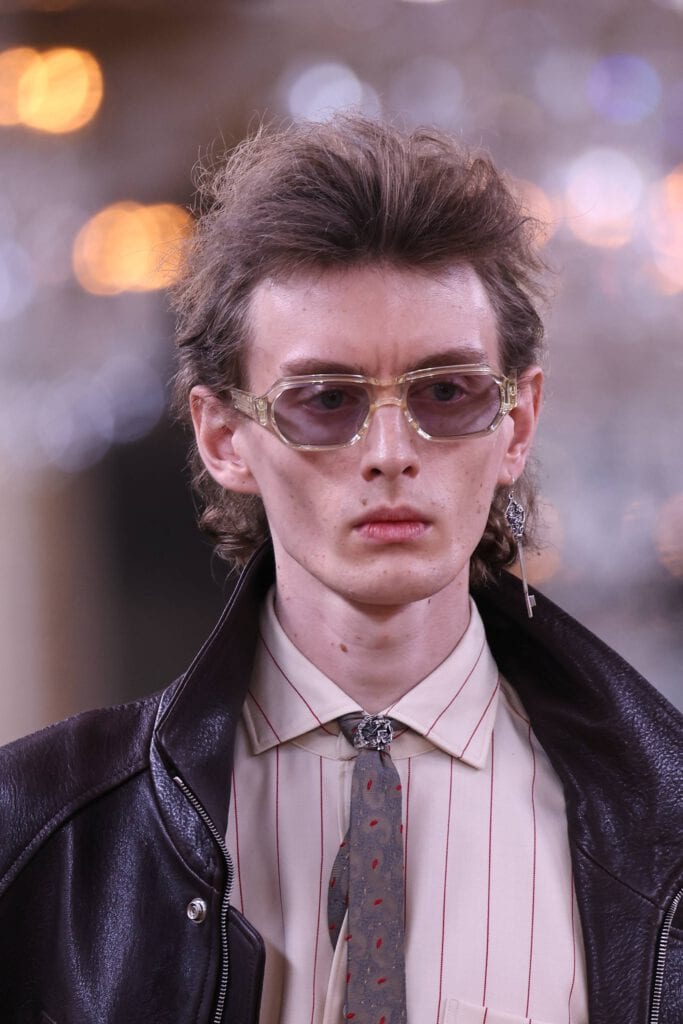
Comfort is redefined here—not as simple ease, but as a dimension of experience.
Those who wear these garments—whether FKA twigs, Playboi Carti or Ezra Miller—demonstrate presence without speaking a single word.
The body speaks.
The clothing responds.
The environment takes notice.Komfort wird dabei neu definiert. Nicht als reine Bequemlichkeit, sondern als Dimension der Erfahrung.
Tradition rewritten
Traditional codes are also being deconstructed. Burberry loosens the heritage of the trench coat, shifting silhouettes and freeing elegance from perfection.
At Comme des Garçons, Rei Kawakubo designs spaces for bodies that refuse to follow rules. Familiar forms are neutralised, reinterpreted and assembled again—always in dialogue with the present.
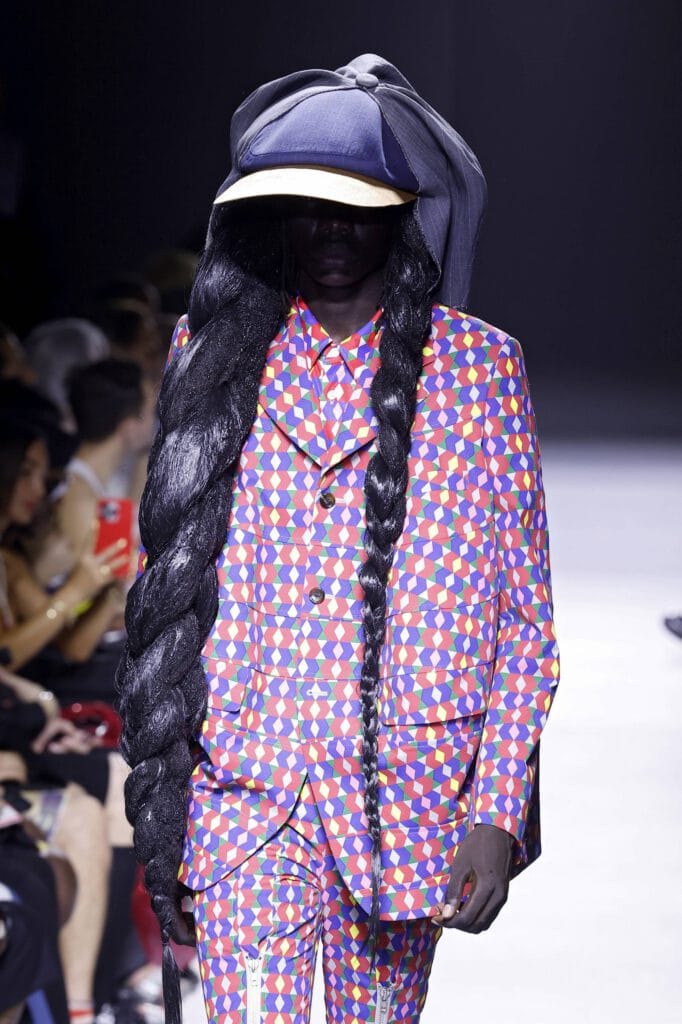
Clothing becomes both reference and experiment, a mirror between expectation and interpretation.
Poetic radicality
Irony, provocation and intensity are allowed—but rarely overt. Spring/Summer 2026 shows little interest in fashion diplomacy.
The dramatic, punk-inflected designs of Enfants Riches Déprimés stand beside the quiet precision of Gabe Gordon. Together they demonstrate that clothing does not need to please—it needs to be felt.

And within this tension, something else emerges: a form of poetic radicality.
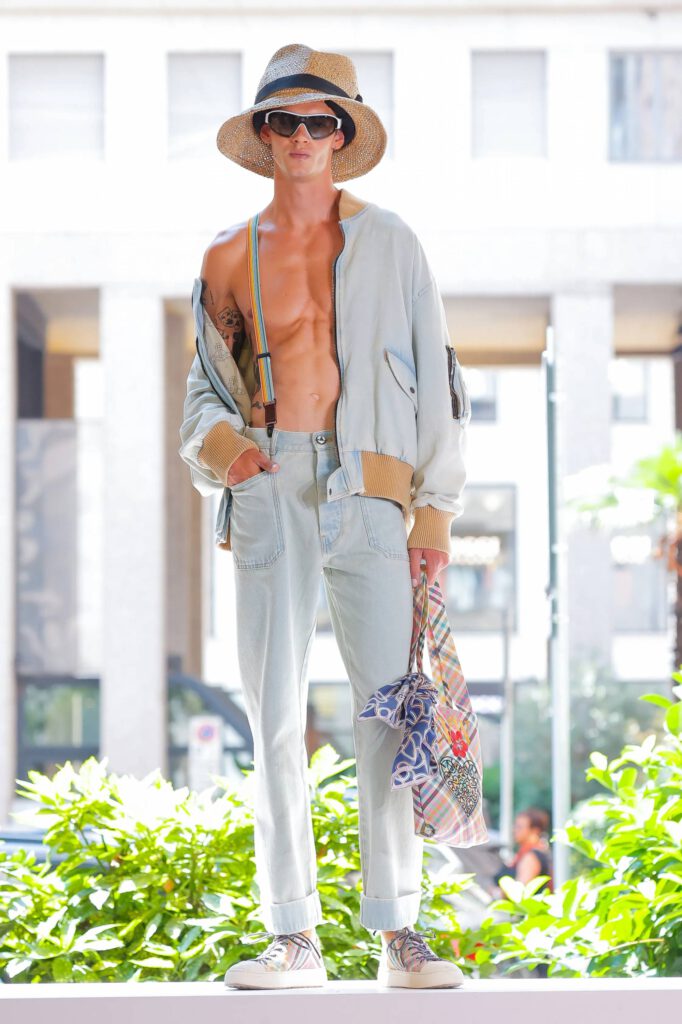
Clothing becomes the filter through which a man sees the world—and through which the world perceives him.
At Vivienne Westwood, Antonio Marras and Rick Owens, fashion writes stories without narrating them. It reflects the spirit of its time without forcing it.
Clothing as a state
Fashion once again becomes a spatial experience. It shapes men without defining them.
It exists before it is interpreted—and remains perceptible long after one has left the room.
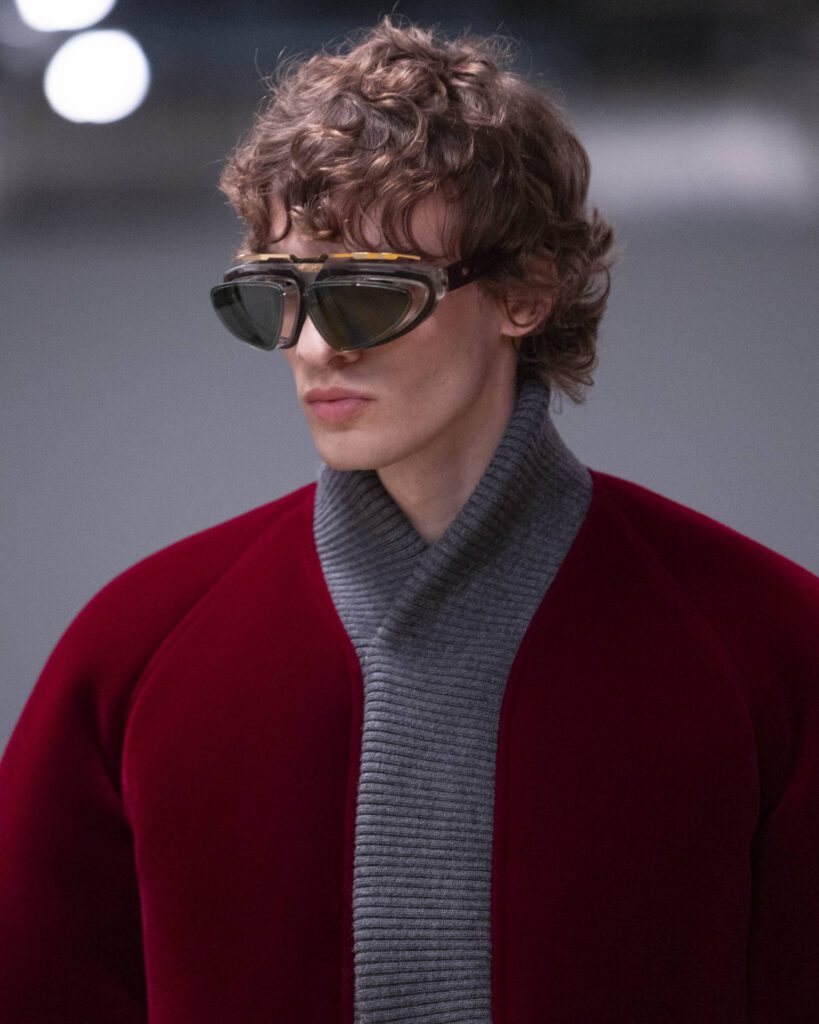
Spring/Summer 2026 is a season of presence.
A season that rewards intuition and requires confidence.
Clothing is no longer an accessory.
It is filter, mirror and field of experience.
Clothing as a state—and state as fashion.