


Between Tradition and Tomorrow: Why South Korea Is One of the Most Fascinating Destinations of Our Time
Some places are visited. Others leave a lasting impression. South Korea undoubtedly belongs to the latter. Between centuries-old temples, futuristic architecture, innovative cuisine, and a creative scene shaping global culture, the country tells a story of transformation—one that reaches far beyond K-pop, beauty trends, or design.
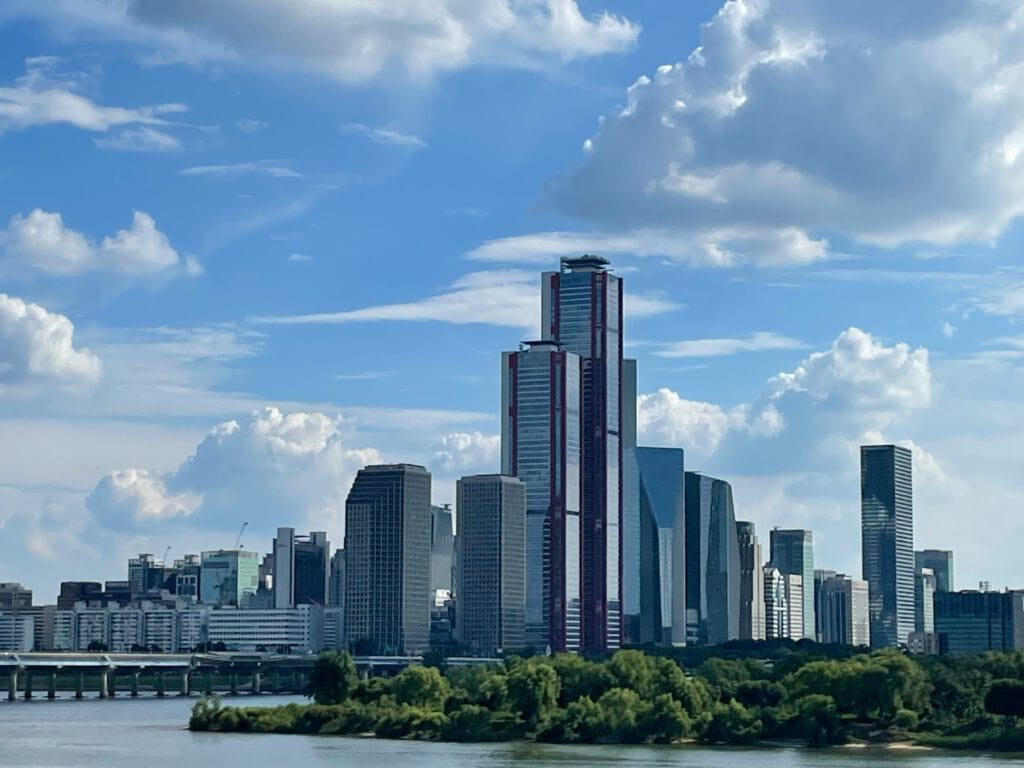
Anyone arriving in Seoul today steps into one of the world’s most innovative nations.
A country of high-speed trains, advanced digital infrastructure, and globally influential cultural brands. A place whose music fills stadiums across continents, whose films win international awards, and whose beauty industry continues to redefine global standards.
What is easy to forget is that only a few decades ago, South Korea was among the poorest countries in the world.
In the aftermath of the Korean War, much of the country lay in ruins. Infrastructure was devastated, and economic prospects seemed uncertain. Few would have predicted that South Korea would become one of the most remarkable cultural and economic success stories of the 21st century.
Today, economists refer to this transformation as the “Miracle on the Han River.”
Yet perhaps the country’s greatest achievement is not its economic rise alone.
It is the way South Korea managed to preserve and evolve its cultural identity while embracing the future.
Seoul – Where Past and Future Share the Same Rhythm
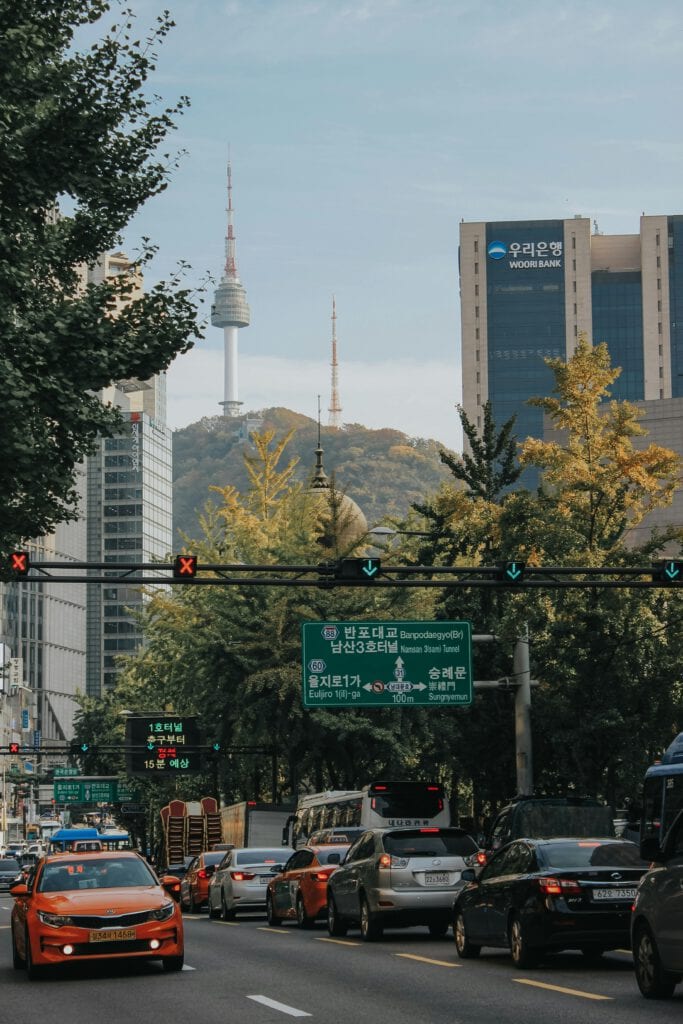
Seoul is not a city that reveals itself immediately.
It unfolds gradually.
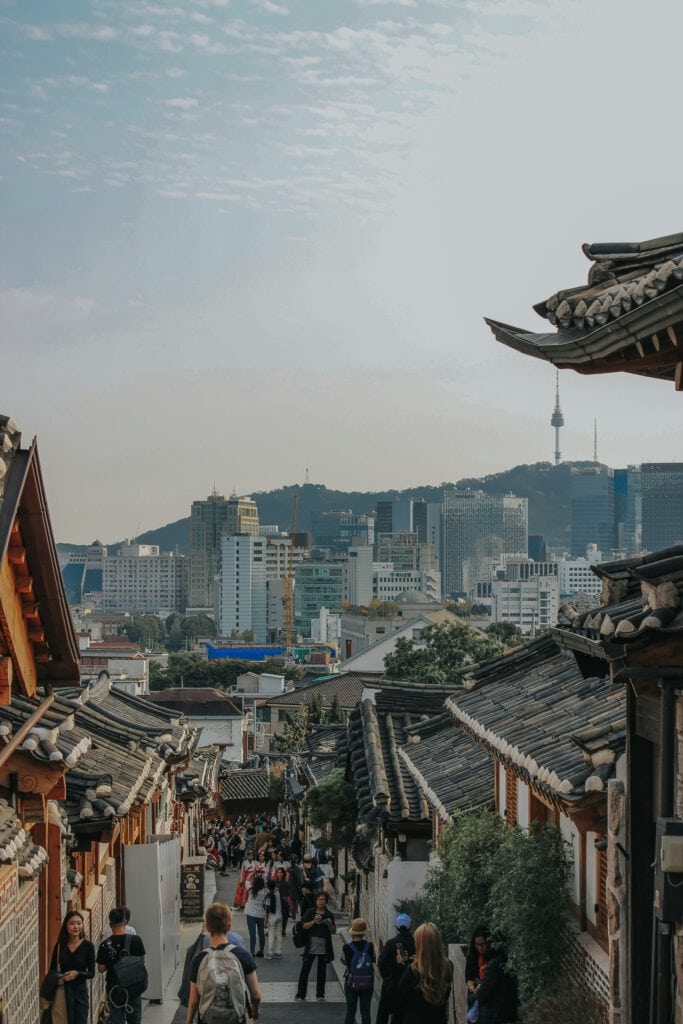
In the quiet morning light at Gyeongbokgung Palace. Among the traditional hanok houses of Bukchon. Within the peaceful courtyards of Buddhist temples.
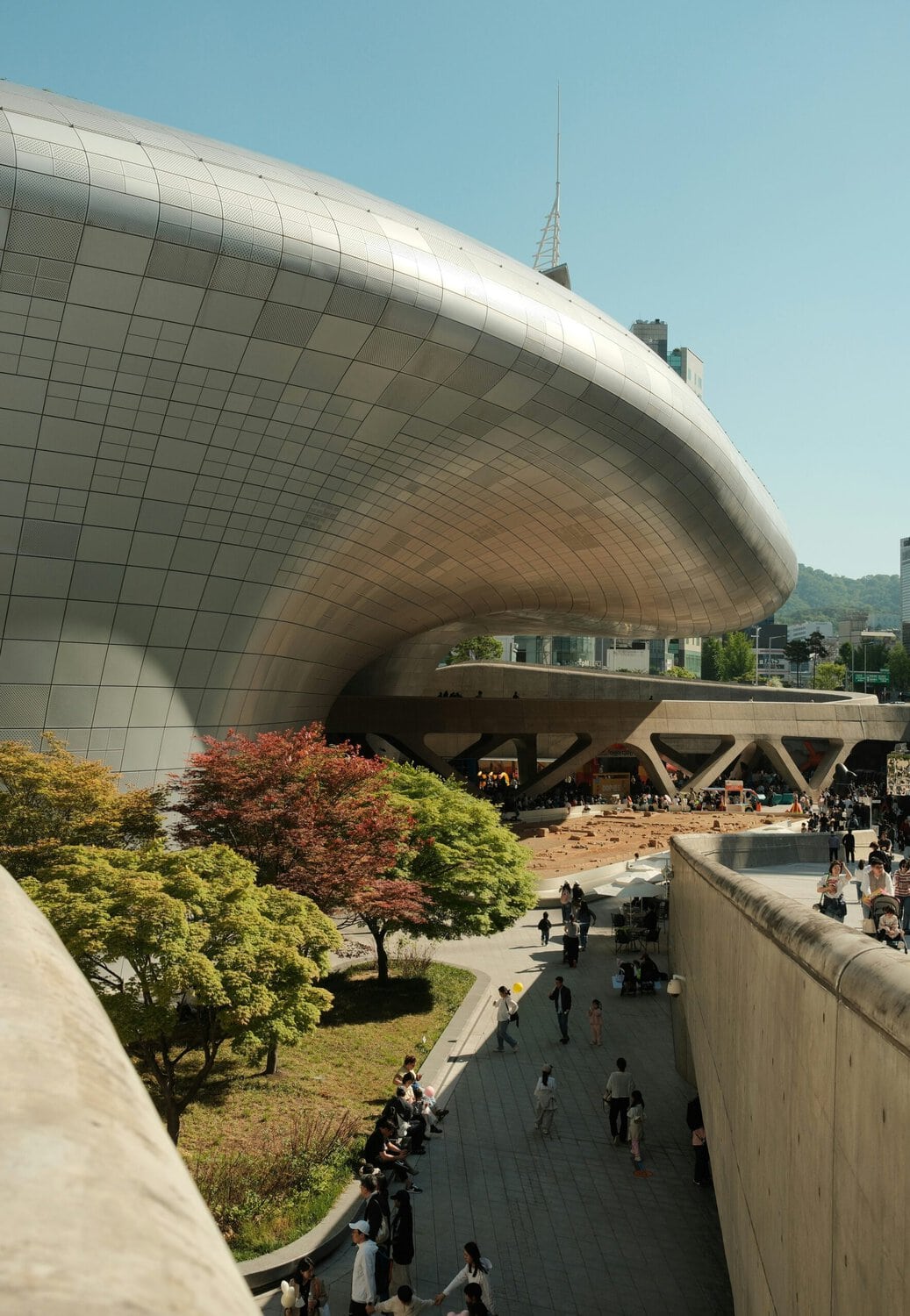
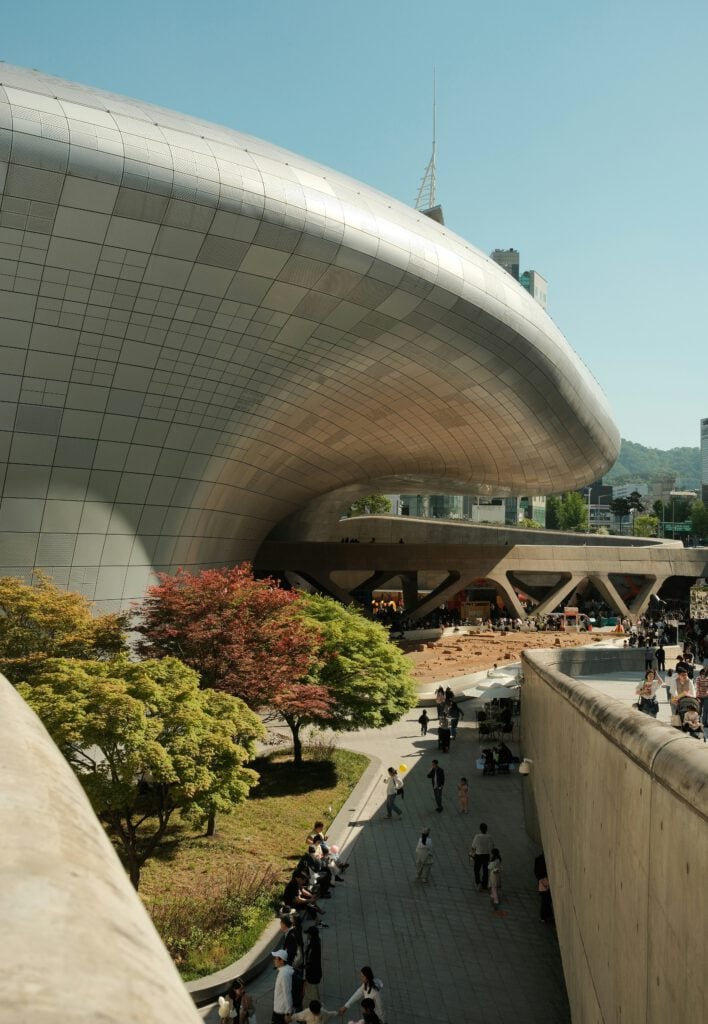
And at the same time in the fluid curves of the Dongdaemun Design Plaza, the digital landscapes of Gangnam, and the creative energy of Seongsu-dong.
This coexistence may be the city’s greatest strength.
Multiple eras seem to exist simultaneously.
Tradition is not preserved as a relic but continuously reinterpreted.
Modernity is not viewed as a rupture but as a continuation.
Must See in Seoul
Bukchon Hanok Village
A living example of traditional Korean architecture, hidden among narrow streets and intimate courtyards.
Gyeongbokgung Palace
The most significant royal palace in Korea and an essential introduction to the country’s history.
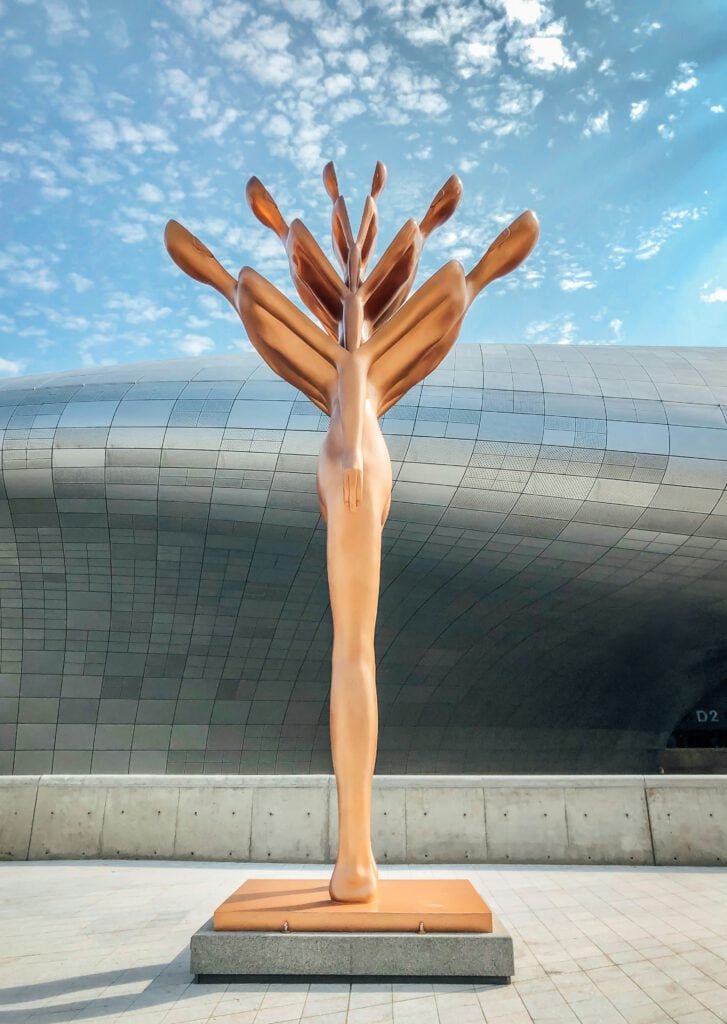
Dongdaemun Design Plaza (DDP)
Designed by Zaha Hadid, this architectural landmark has become a symbol of Seoul’s creative ambition.
Seongsu-dong
Once an industrial district, now home to independent designers, concept stores, galleries, and innovative cafés.
Leeum Museum of Art
An extraordinary dialogue between traditional Korean heritage and contemporary artistic expression.

Where to Stay in Korea
South Korea’s hotel landscape reflects the diversity of the country itself.
Josun Palace Seoul
Contemporary luxury with sweeping views across Gangnam’s skyline. Elegant, understated, and deeply rooted in Korean hospitality.
RYSE Hotel Seoul
Located in the creative heart of Hongdae, where art, design, and urban culture merge into a modern lifestyle experience.
Rakkojae Seoul
To truly understand Korea, spending a night in a traditional hanok is essential. Rakkojae is among the country’s most refined addresses.
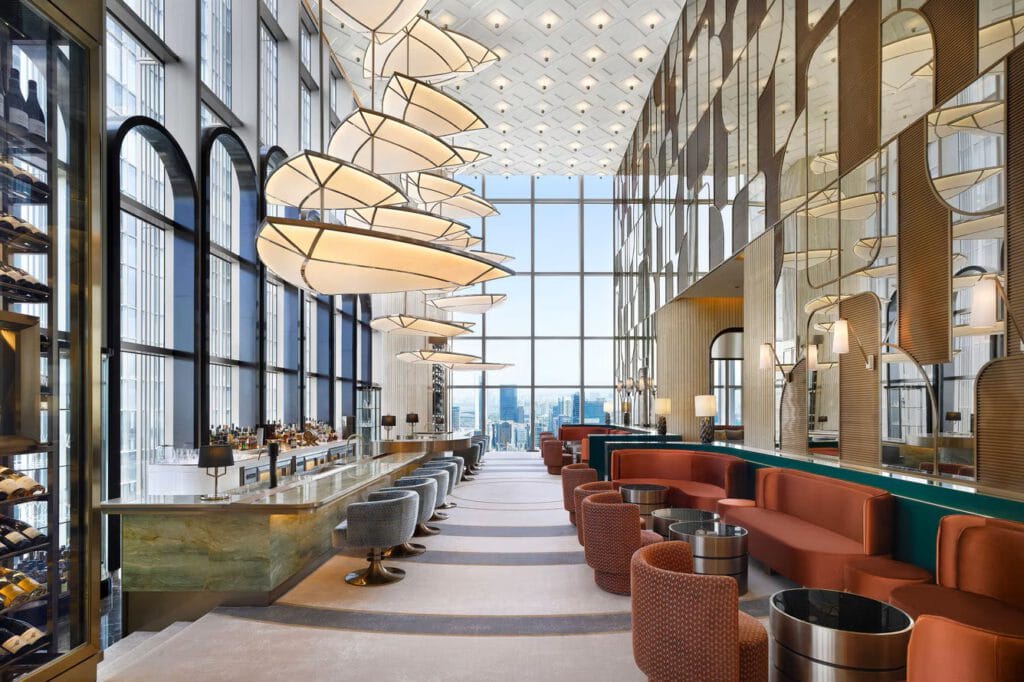
Signiel Seoul
Occupying the upper levels of the Lotte World Tower, Signiel represents Korean luxury hospitality at its most spectacular.
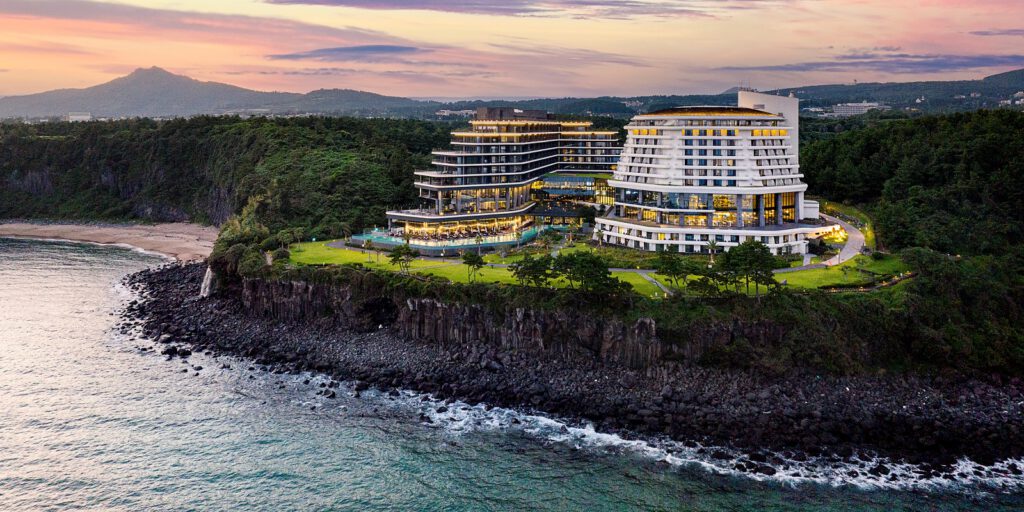
Parnas Hotel Jeju
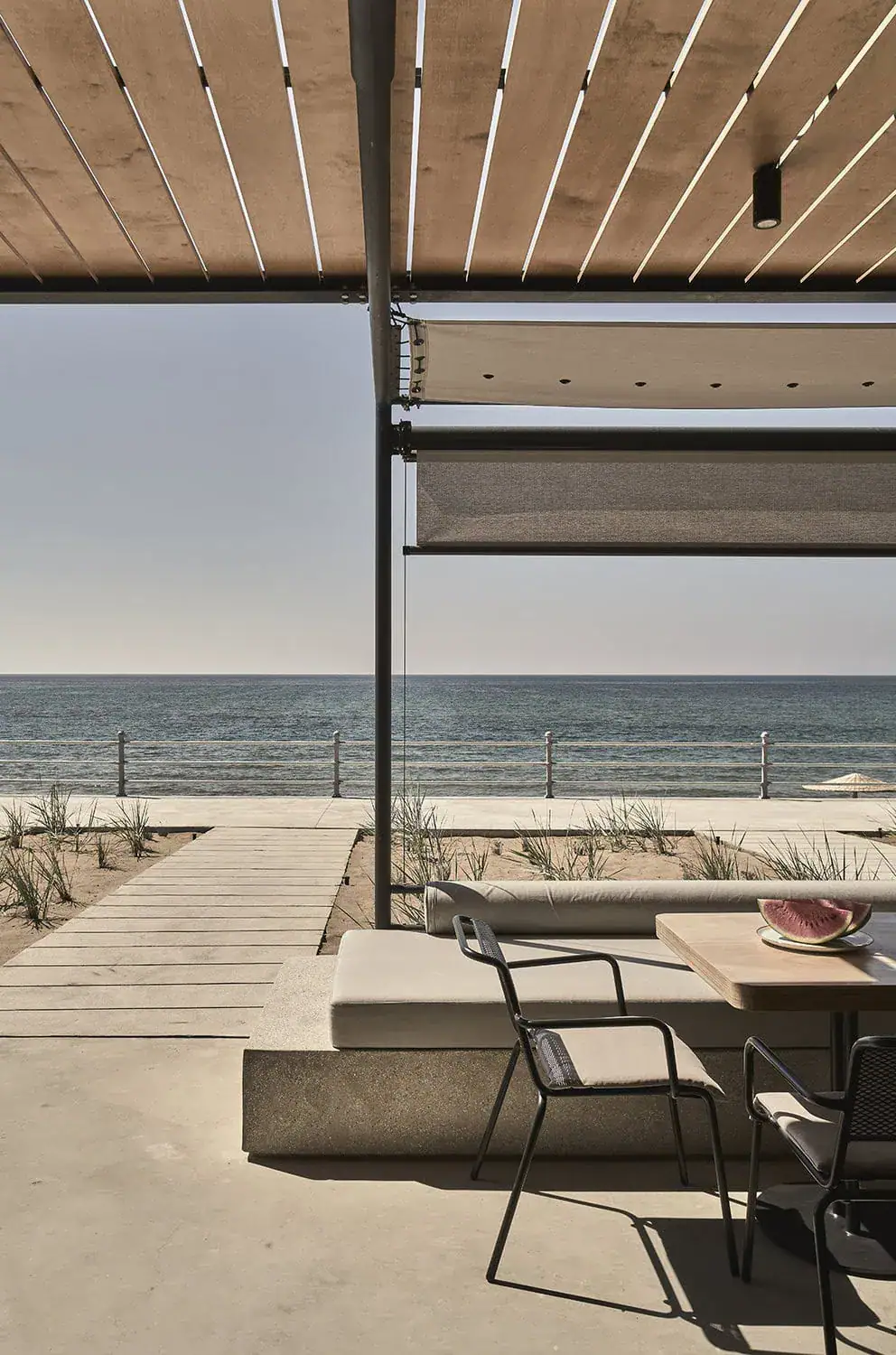
On Jeju Island, nature, ocean views, and contemporary comfort create a slower and more contemplative experience.
K-Beauty – The Art of Ritual
Few cultural exports have influenced global lifestyles as profoundly as K-Beauty.

Yet beyond innovative ingredients and skincare trends lies a philosophy that extends far beyond cosmetics.
Beauty in Korea is not primarily about correction.
It begins with attention.
With time.
With care.
Daily skincare is less a routine than a ritual.
This mindset resonates throughout Korean culture: quality is achieved through consistency.
Visitors interested in the phenomenon should explore Seoul’s beauty districts, particularly Myeong-dong, and discover the flagship stores of Korea’s most influential brands.


K-Pop and the Creative Explosion
What began as a regional music movement has evolved into a global cultural force.
Today, K-pop shapes not only music but also fashion, design, digital culture, and visual storytelling.
More interesting than the music itself is what it reveals about Korea.
Discipline and creativity.
Precision and emotion.
Tradition and innovation.
Values that extend far beyond entertainment and can also be found in architecture, design, and entrepreneurship throughout the country.
Korean Cinema – A New Language of Storytelling
With films such as Parasite and series like Squid Game, South Korea has firmly established itself on the global cultural stage.
What makes Korean cinema remarkable is not simply its commercial success.
It is the ability to combine social commentary with visual sophistication and emotional depth.
For travelers, this cultural movement offers another lens through which to understand contemporary Korea.
Those visiting Seoul should seek out independent cinemas, while film enthusiasts may wish to experience the Busan International Film Festival, widely regarded as Asia’s most important film event.

K-Food – A Culture Built on Fermentation
Korean cuisine is experiencing a moment similar to the one Nordic gastronomy enjoyed a decade ago.
Chefs around the world are increasingly drawn to Korean fermentation techniques, regional ingredients, and traditional culinary practices.
Kimchi is merely the beginning.
The true discovery lies in the complexity of Korean food culture.
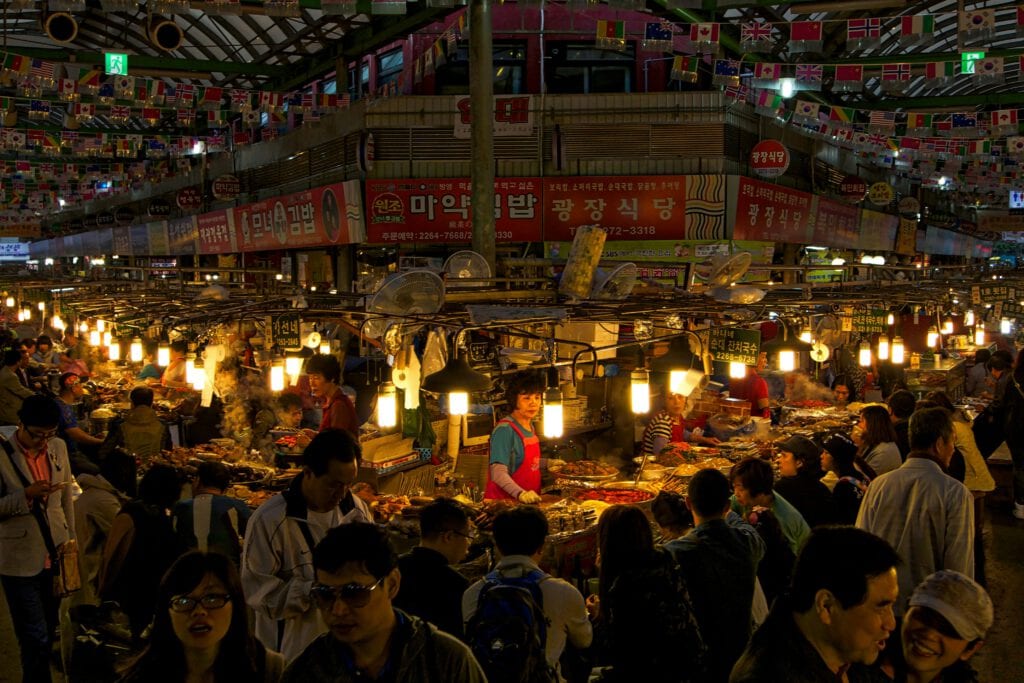
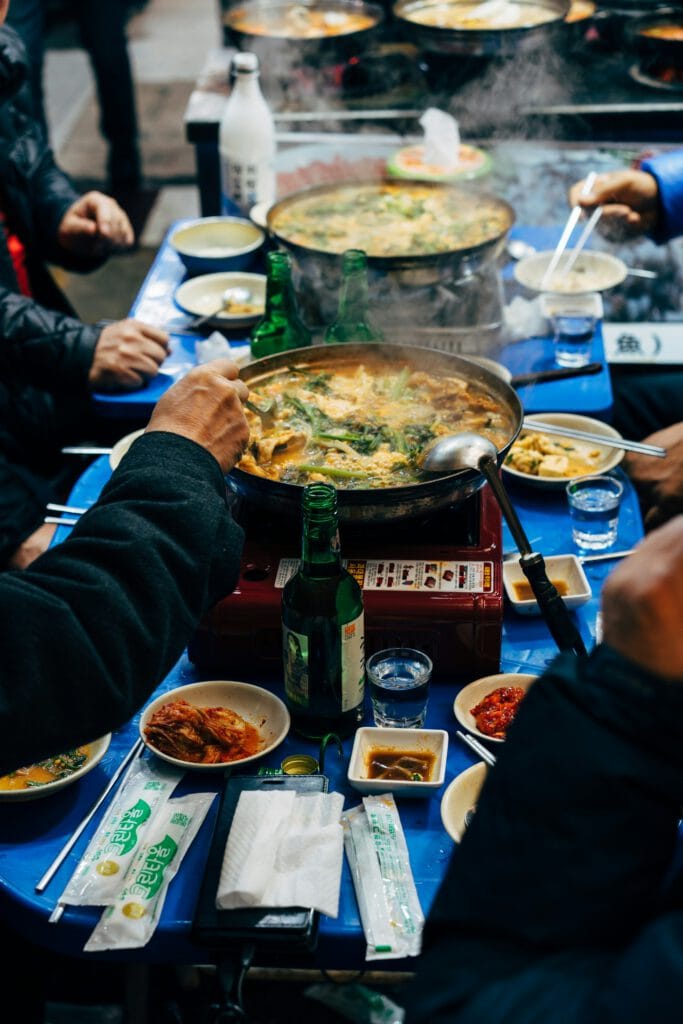
From humble street-food stalls and temple cuisine to some of Asia’s most exciting fine-dining restaurants.
Visitors should take time.
Not only to eat.
But to understand.
Because few cuisines reflect the history, landscape, and values of a nation as directly as Korea’s..
Jeju Island – Korea’s Quiet Side
While Seoul represents energy and momentum, Jeju tells a different story.
Volcanic landscapes, coastal trails, tea plantations, and dramatic ocean views create an atmosphere that feels closer to Hawaii or the Azores than to a major East Asian nation.
Many Koreans come here to slow down.
For international visitors, Jeju offers a glimpse into a quieter, more contemplative side of the country.

Why Korea Matters Right Now
South Korea is more than a trend.
More than K-pop.
More than skincare.
More than technology.
The country demonstrates how cultural identity and innovation can strengthen one another.
How tradition can become a source of inspiration rather than limitation.
And how the challenges of the past can be transformed into a creative force that resonates around the world.
Perhaps that is Korea’s true fascination.
Not the speed of its rise.
But the way it has continued to tell its own story while shaping the future.