
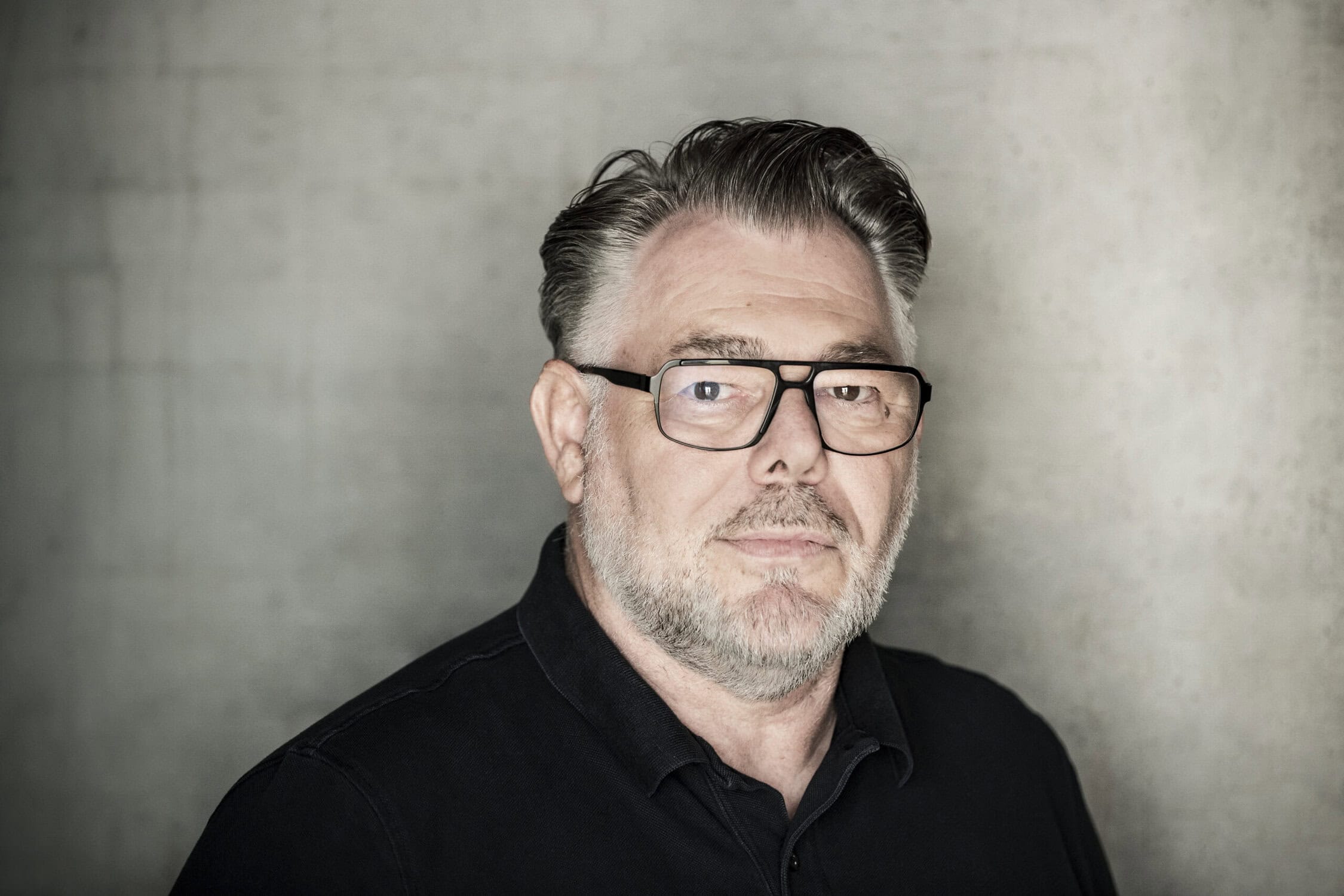
A column by Eberhard Schrempf
We live in an age that tells us every day why we should be afraid. The climate crisis, wars, inflation, the rise of the far right, threatened democracies and growing polarisation keep us in a permanent state of alarm. Add the stupidity, anger, envy and hatred served up by social media, available around the clock and reliably amplified by algorithms. On television, minor celebrities compete for attention by cooking or making spectacles of themselves in the jungle. The carefully rehearsed plastic-lipped smile comes free of charge.
How long can we live in this state without losing ourselves?
Retreat as a defence mechanism
Many people respond by retreating. They switch off, tune out and focus on what they can still control: themselves. Their health, their bodies, their homes, their gardens, their next holiday, good food, their own private sanctuary. This new form of retreat might be described as SELFNESS: an attempt to keep at least one's own reality manageable in an increasingly bewildering world.
SELFNESS is more than selfishness. To begin with, it is an understandable defence mechanism. When the world becomes too loud, too complicated and too threatening, we narrow our field of vision. We create a manageable reality in which we can still exercise some control. From this emerges a new form of ALIVENESS: an intense desire to feel alive. Energy instead of exhaustion. Pleasure instead of permanent crisis. Movement instead of paralysis.
That sounds appealing. And perhaps we really do need more lightness, less solemnity and a renewed appetite for life. An optimism that is not naive, but productive. Because optimism does not mean ignoring reality. It means responding to it with the capacity to act.
Designing a personal world
Design plays a central role here. We turn our homes into places of refuge, surround ourselves with beautiful things and create atmospheres that make us feel good. Light, colour, materials, furniture, clothing, music and digital applications become the building blocks of a personal user interface for the good life. Everything is tailored to our preferences, carefully curated and, wherever possible, free of friction.
For the design industry, this is good news. Those who invest in themselves and their immediate surroundings need products, spaces and services that promise wellbeing, identity and quality of life. Design helps us give uncertainty a shape and turn overwhelm into order.
The good life needs others
But this development has a more troubling side. What happens when everyone creates their own private version of ALIVENESS, with no room left for community? When we optimise our homes but abandon public space? When we look after our own wellbeing but lose interest in the welfare of others?
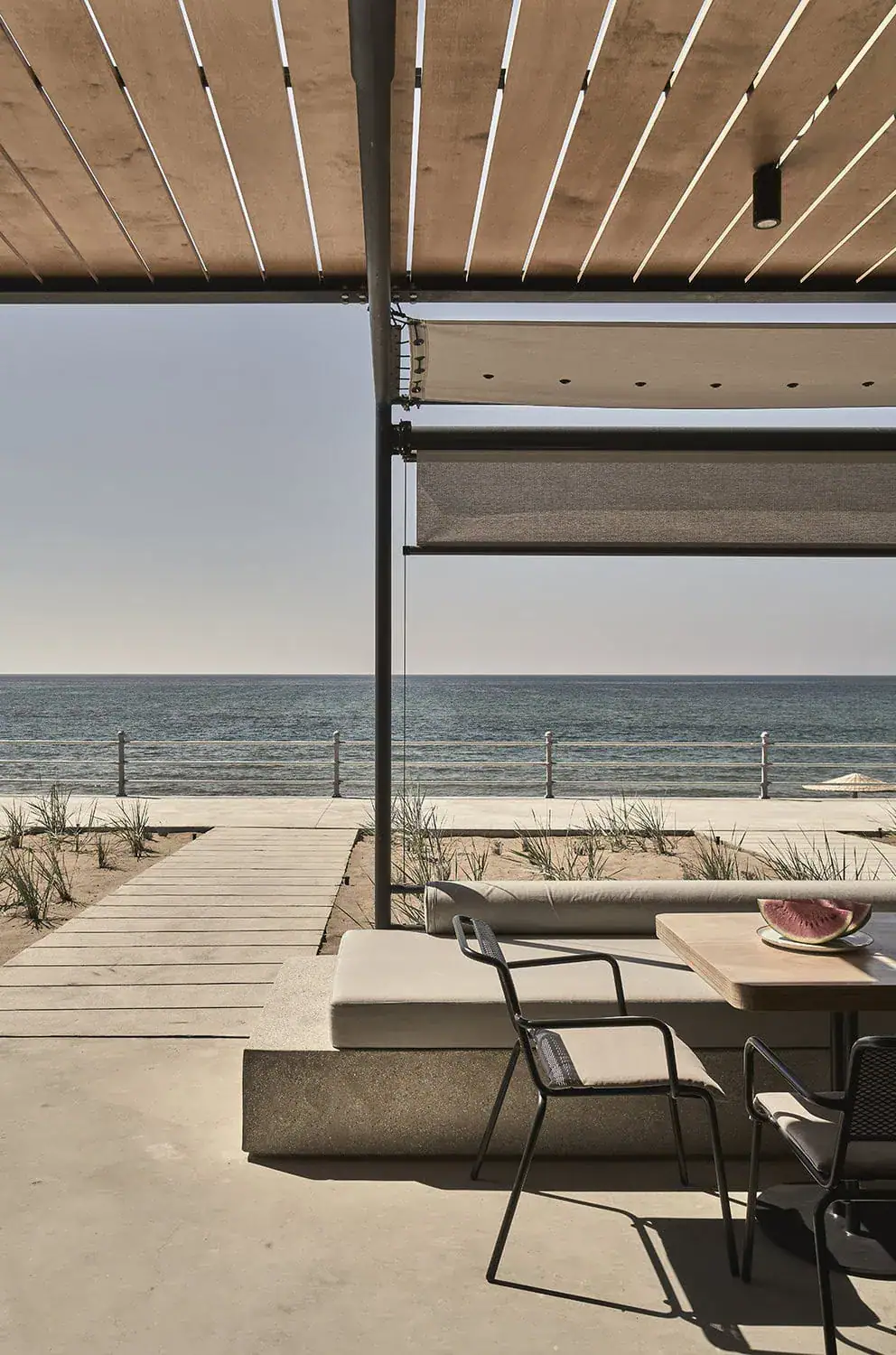
Because aliveness does not emerge only in private sanctuaries. It also happens around a restaurant table, at a bar, in a café, in a club, at a market or on a park bench. In places where people encounter one another without having chosen each other in advance. Such places are more than settings for consumption. They are social spaces where we exchange ideas, disagree, laugh, argue and find common ground. At their best, they form an informal infrastructure for democracy.

These spaces, too, need to be designed: open rather than exclusive, welcoming rather than intimidating, bringing people together rather than shutting them out. Design helps determine whether encounters can take place at all, or whether everyone simply sits side by side, staring at their screens.
When this fails, SELFNESS becomes a bespoke form of superficiality. We live well, but only within our own user interface. Democracy, however, does not need perfectly curated retreats. It needs encounters, debate, disagreement and a willingness to take responsibility beyond the boundaries of our own lives.
Perhaps the real design challenge of our time, then, is not to choose between the joy of living and a sense of responsibility. It is to bring the two together: an ALIVENESS that does not merely strengthen the self, but rekindles our appetite for the collective.
Because a good life can be designed. So can a society worth living in. But only together.