

Why Belonging Begins Where People Meet
Home Is More Than a Place
At a time when migration is often reduced to numbers, policies and political debate, In the Same Light reminds us that every statistic represents a human life.
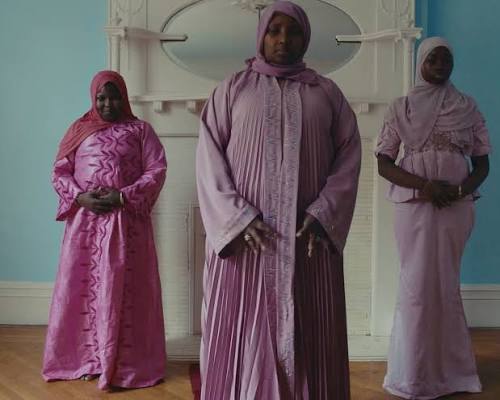
New York-based Ethiopian filmmaker Herrana Addisu does not tell a story about borders. Instead, she focuses on neighbours, parents, artists, entrepreneurs and friends—people who have become an essential part of the communities they live in, yet are still too often perceived as outsiders.
Created for NOWNESS in collaboration with Communities United for Status & Protection (CUSP), the film deliberately shifts attention away from headlines and towards everyday life.
Humanity Lives in the Everyday
Morning rituals.
The journey to work.
Family meals.
Creative expression.
Quiet conversations.
Moments of reflection.
These seemingly ordinary scenes reveal something extraordinary: belonging is not created solely through legal status. It grows wherever people contribute, care for one another and become part of a shared community.
Rather than relying on dramatic storytelling, Herrana Addisu adopts a calm, observational approach. The result is a film that invites empathy instead of argument.
Seeing Society Differently
In the Same Light follows people living in the United States under Temporary Protected Status (TPS), having left their countries because of armed conflict, climate disasters or political instability.
Yet the film is less interested in legal definitions than in lived experience.

It portrays business owners, parents, artists and community leaders whose lives have become inseparable from the places they now call home.
In doing so, it gently shifts the narrative away from difference and towards connection.
The Quiet Power of Shared Humanity
In an increasingly polarised world, In the Same Light offers a simple but powerful reminder:
Communities begin the moment we stop seeing one another as strangers.
Rather than presenting migration as a political issue alone, the film asks us to recognise the shared humanity that already exists around us.
Sometimes changing the way we look at each other is the first step towards changing society itself.