


A conversation on improvisation, artistic integrity, and the future of jazz
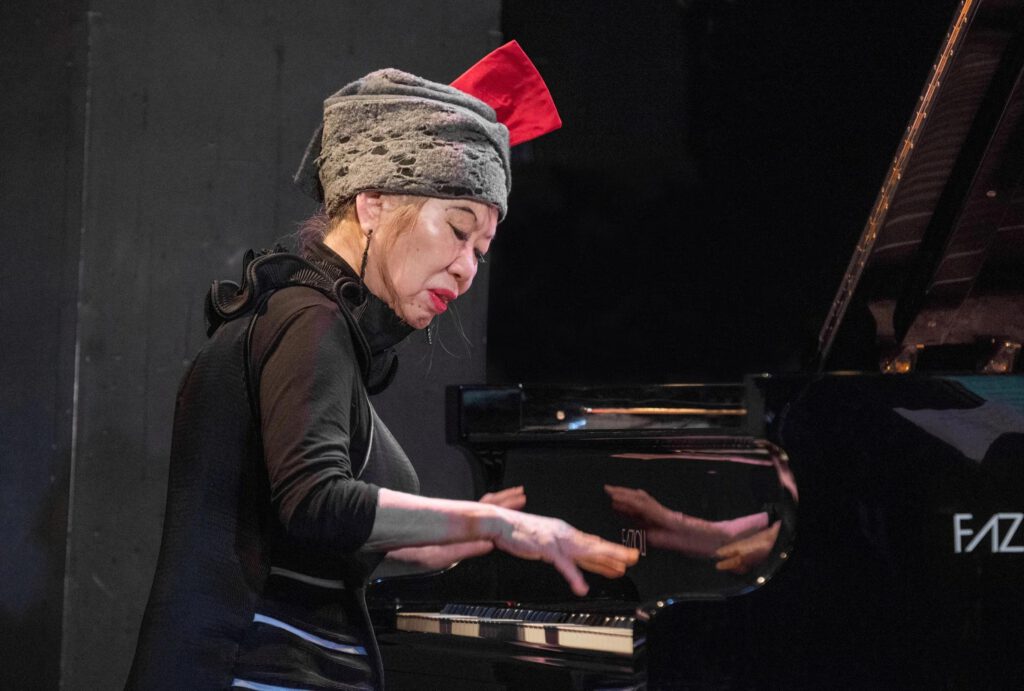
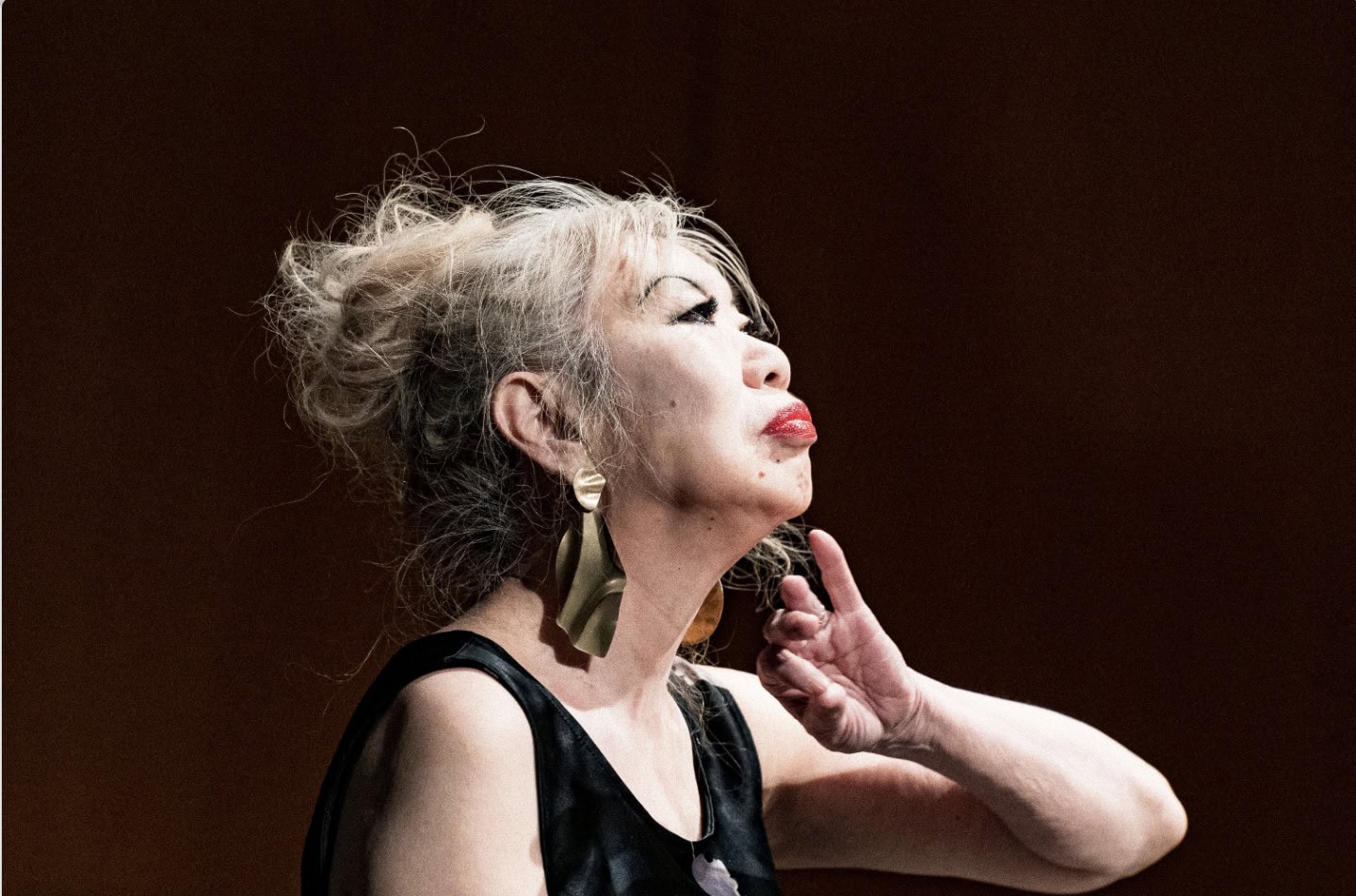
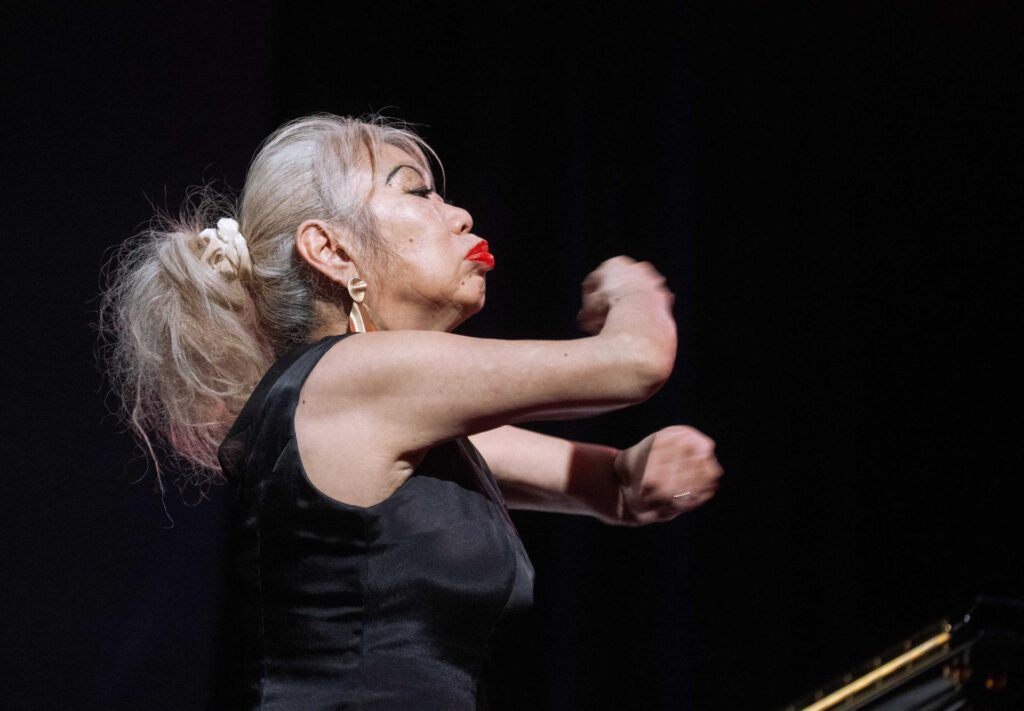
On the occasion of receiving the Deutschen Jazzpreis 2026 for her lifetime achievement, Aki Takase reflects on her artistic evolution, the role of improvisation, and her perspective on today’s jazz scene. For decades, she has been one of the defining voices of contemporary jazz—developing a musical language that moves fluidly between composition and improvisation, constantly reinventing itself.
The award ceremony will take place on April 25, 2026, at the Congress Centrum Bremen as part of the 20th anniversary of jazzahead! Ahead of the event, the pianist and composer shares insights into her work, influences, and the evolving dynamics of the jazz world.
INTERVIEW
You are receiving the German Jazz Prize for your lifetime achievement. What does it mean to you to be recognized in this context—not only retrospectively, but within today’s jazz scene?
Aki Takase:
It is a great honor and fills me with pride. The recognition of the music I have created so far has also given me the courage to continue developing my music in new directions. Thank you very much!
Your music has moved between different cultural contexts for decades. How have these perspectives shaped your artistic thinking, and how has this changed over time?
Aki Takase:
All music has evolved from the past to the present and has shaped the world as we know it today. I have always been interested in the history of jazz, especially in absorbing the musical messages of composers and musicians who fascinate me, and developing them further from my own perspective in order to bring them to life today. Since last year, building on my previous experiences, I have been working on a new project: the Timeless Orchestra.
What originally drew you to jazz, and what keeps you engaged in this ever-changing form?
Aki Takase:
It all started by chance. While I was studying at the conservatory, a friend invited me to listen to some jazz records, and that marked the beginning of my new musical journey. Jazz is like a drug—a powerful aphrodisiac. Before I knew it, I had been drawn into the world of jazz, and here I am today.
You have gone through very different musical phases. Were there moments when you fundamentally questioned your artistic direction?
Aki Takase:
I never doubted the direction of my music. I have always been interested in all kinds of music, especially classical music, contemporary music, jazz improvisation, folk music, and so on. However, I have absolutely no interest in pop music or anime soundtracks.
You have worked in changing constellations for many years. What makes a collaboration productive for you—and when does it not?
Aki Takase:
When the musical views of fellow musicians differ from mine, it is difficult to play together for a long time. Ideally, it would be wonderful if we could create great music together despite having slightly different musical tastes.
Improvisation plays a central role in jazz. What does improvisation mean to you today—especially in relation to experience and routine?
Aki Takase:
“Extreme inspiration.”
Looking back on your career: how have the conditions for women in jazz changed, and where do you still see structural differences today?

Aki Takase:
A positive development is that more women are interested in jazz today than in the past. It is also good that—partly as a result—there are now more female musicians than before; however, since men and women have different physical builds depending on the instrument, the conditions may not be the same. This is also related to political and sociological developments.
When you look at today’s jazz scene: which developments interest you, and where do you see tensions or disruptions?
Aki Takase:
Recently, I have sensed a greater diversity of sound, as more and more interesting musicians emerge who have moved away from the traditional jazz genre or have been influenced by other musical styles. However, it is a pity that the dynamics and tension inherent in jazz are diminishing.
What would you like to pass on to younger musicians today—not only artistically, but also in terms of the working realities of jazz?
Aki Takase:
Do not let the flood of information confuse you. And please do not forget that it is the musicians to whom we owe the music. Search for music that you yourself would like to listen to one day.
What are you currently working on, and what interests you musically right now?
Aki Takase:
Last year, together with Daniel Erdmann, I launched a project called “Timeless.” Together with young musicians from different genres, I want to engage with fascinating music from the past to the present, explore new musical paths, and find out where music is heading.rt auseinandersetzen, neue musikalische Wege erkunden und herausfinden, wohin sich die Musik entwickelt.