
Between instinct, materiality, and the power of “presque”
Some paths don’t begin with a decision, but with an inner shift. For Aurélie Fretti, it was precisely this quiet rupture that led her toward an artistic practice that now moves fluidly between sculpture, design, and intuitive expression.
A Life Beyond the City
Born in eastern France and raised within a vibrant Italian working-class community, Aurélie Fretti carries a rich cultural duality—Italian roots from her father, Polish from her mother.
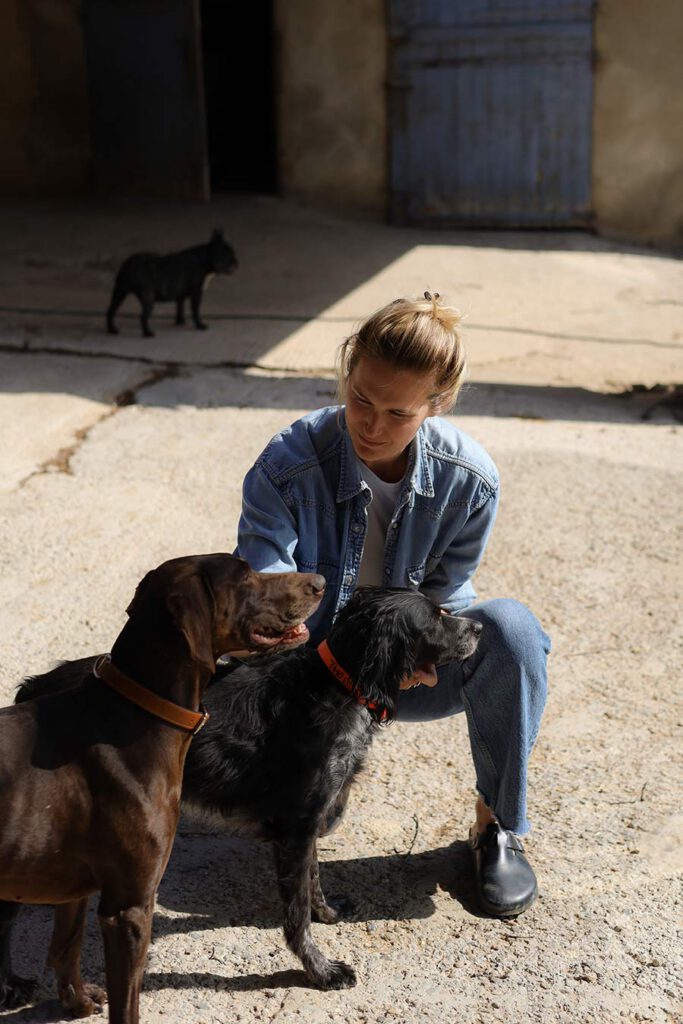
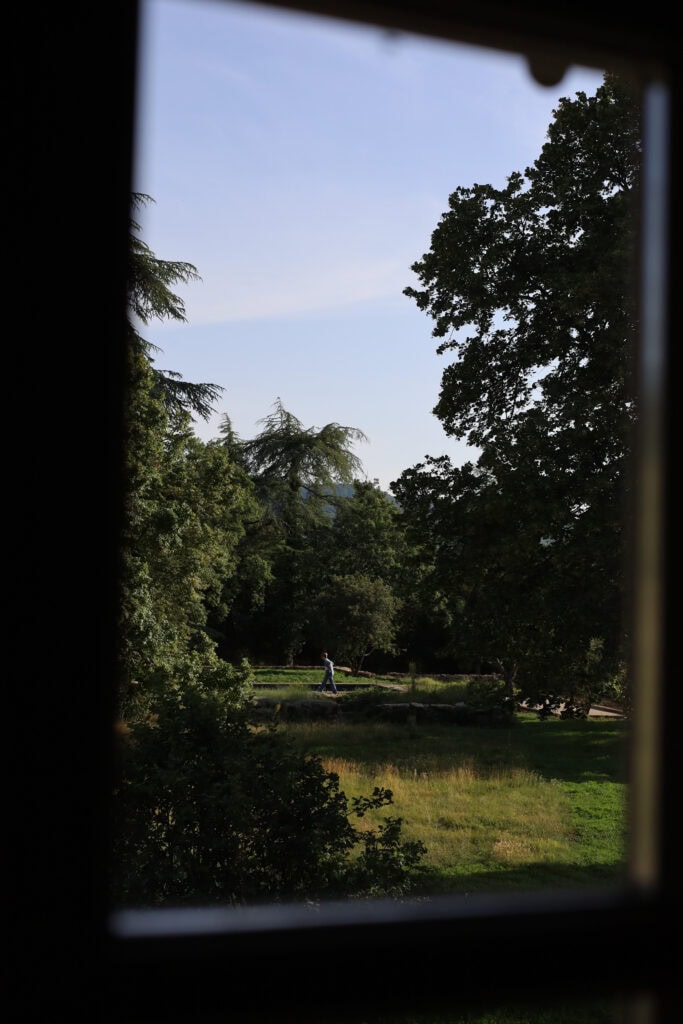
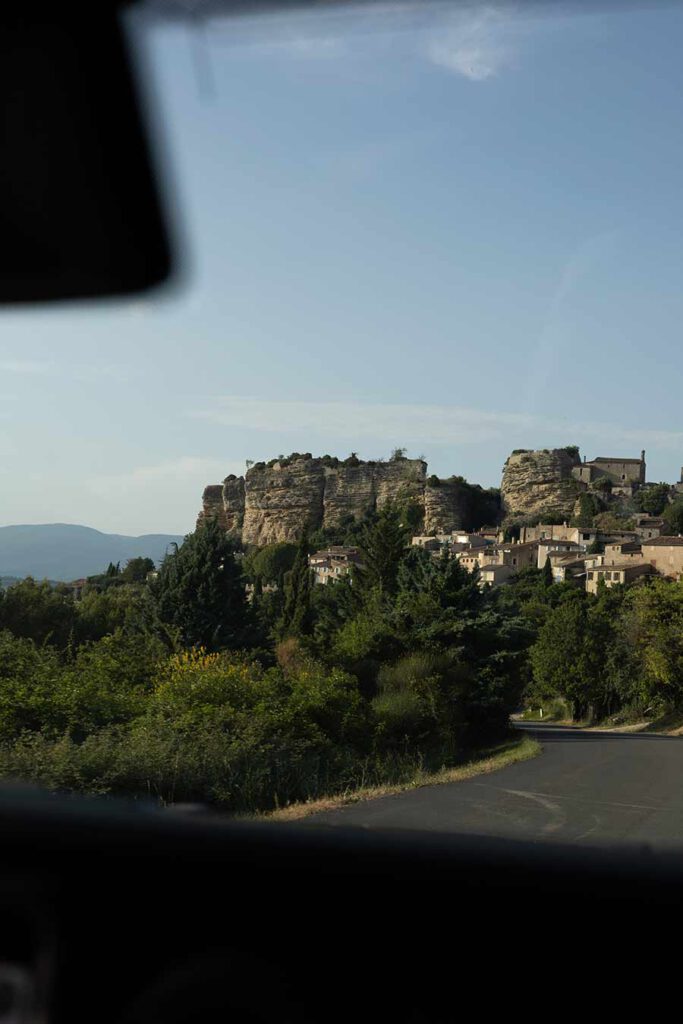
After many years working in advertising in Paris, a turning point emerged. Motherhood, combined with a desire for a different pace of life, led her first to the edge of the Rambouillet forest, and later to the Luberon.
Isolation, nature, and slowness became catalysts for reinvention.
“I had no choice but to devote my life to it. Dramatic? Maybe—just Italian.”
From Experiment to Expression
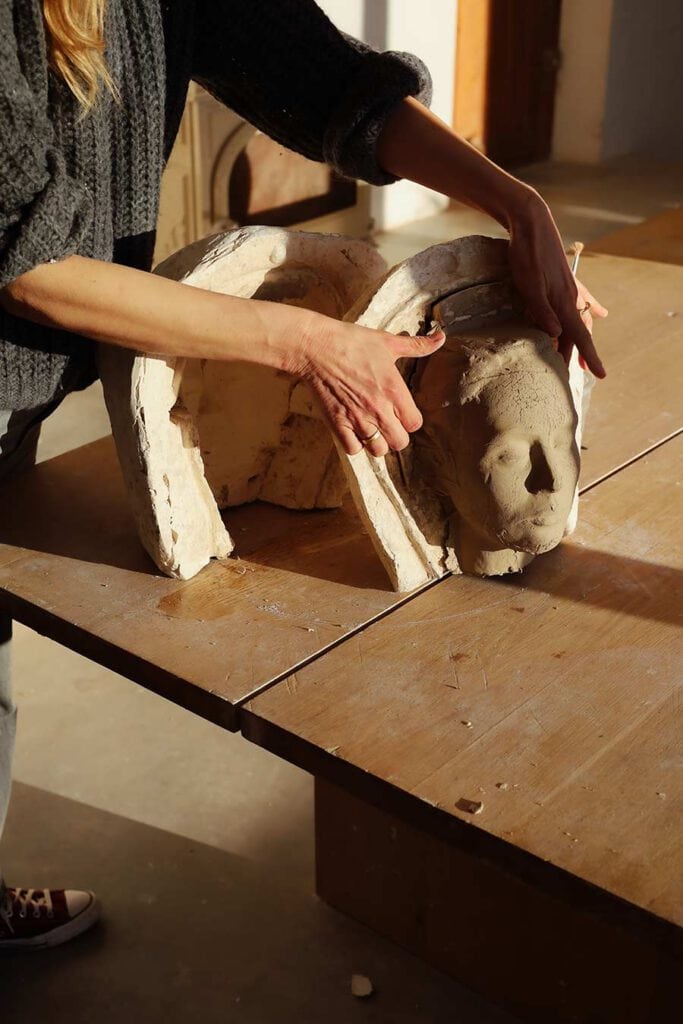
Without formal training, Aurélie intuitively discovered ceramics. What began as an exploration quickly became essential. Collaborations with tailors and further work with wood and stone expanded her understanding of material and form.
Her first sculpture—a foot—was “a bit clumsy, but sincere.” A symbolic beginning.
“Those hours felt like meditation. I realized not only that I loved sculpting, but that it allowed me to be myself.”
Material, Body, and Transformation
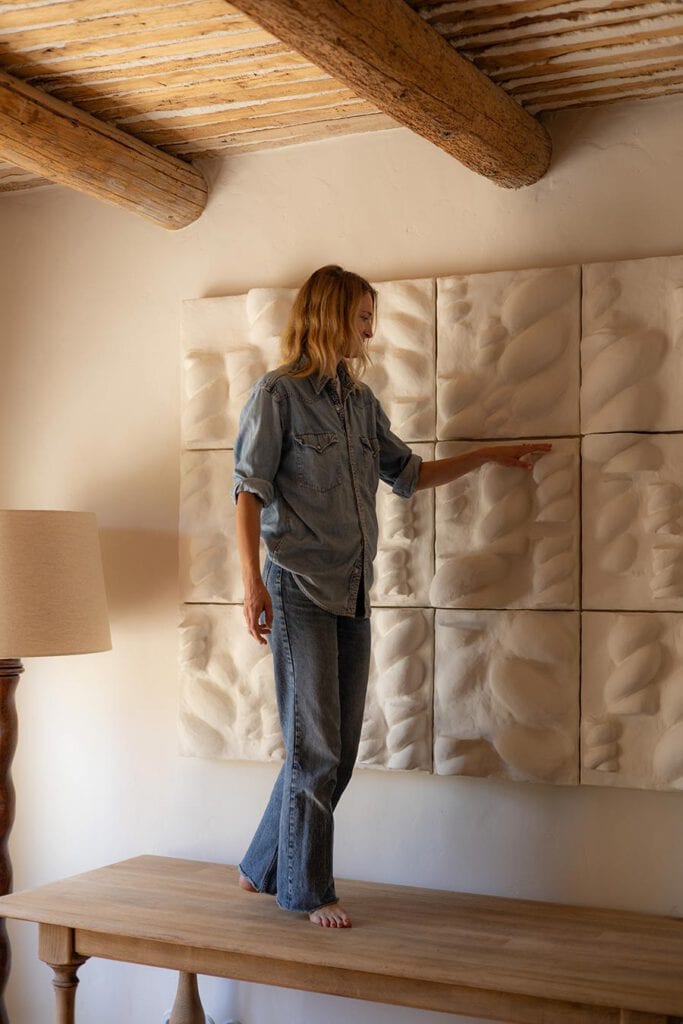
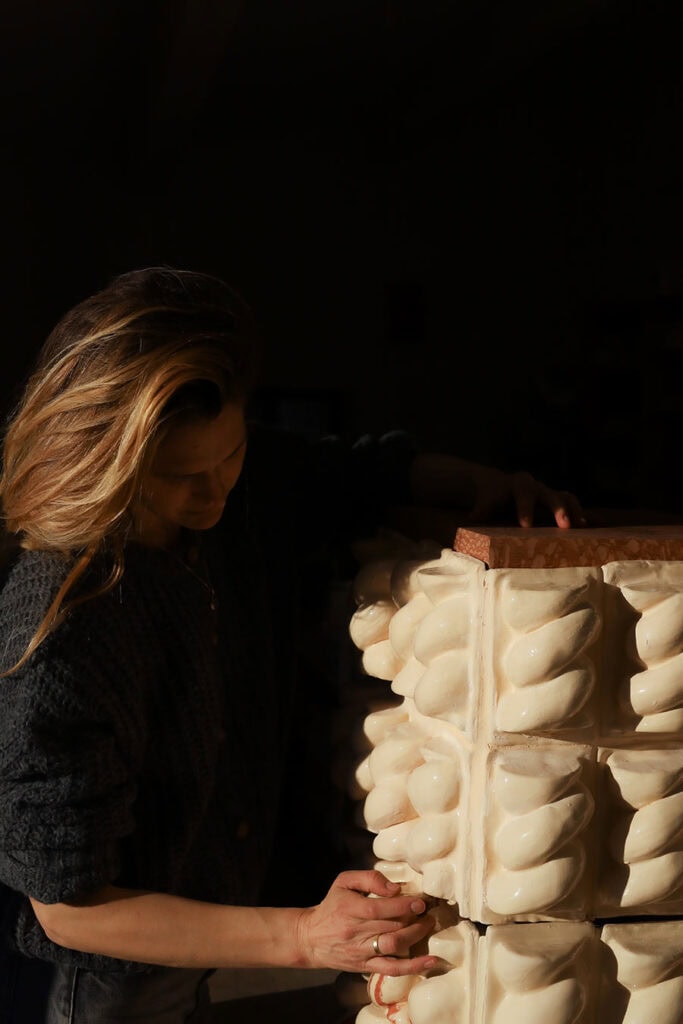
Her work exists in a constant tension: raw yet sensual, powerful yet fragile. She moves between resin casting mixed with marble, bronze, or aluminum powder, and physically sculpting wood with a chainsaw.
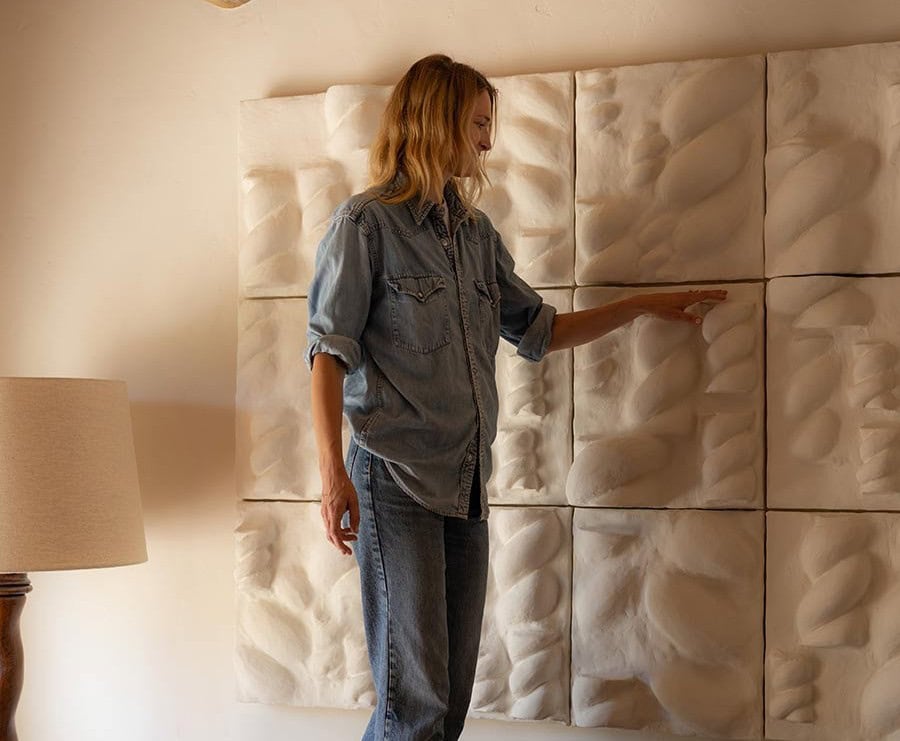
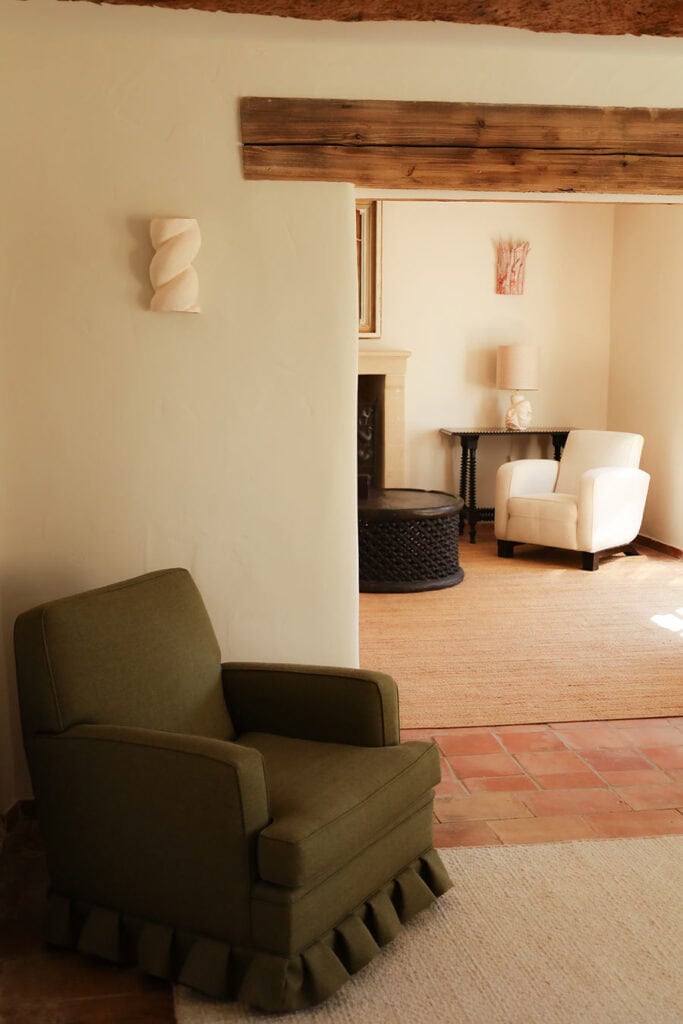
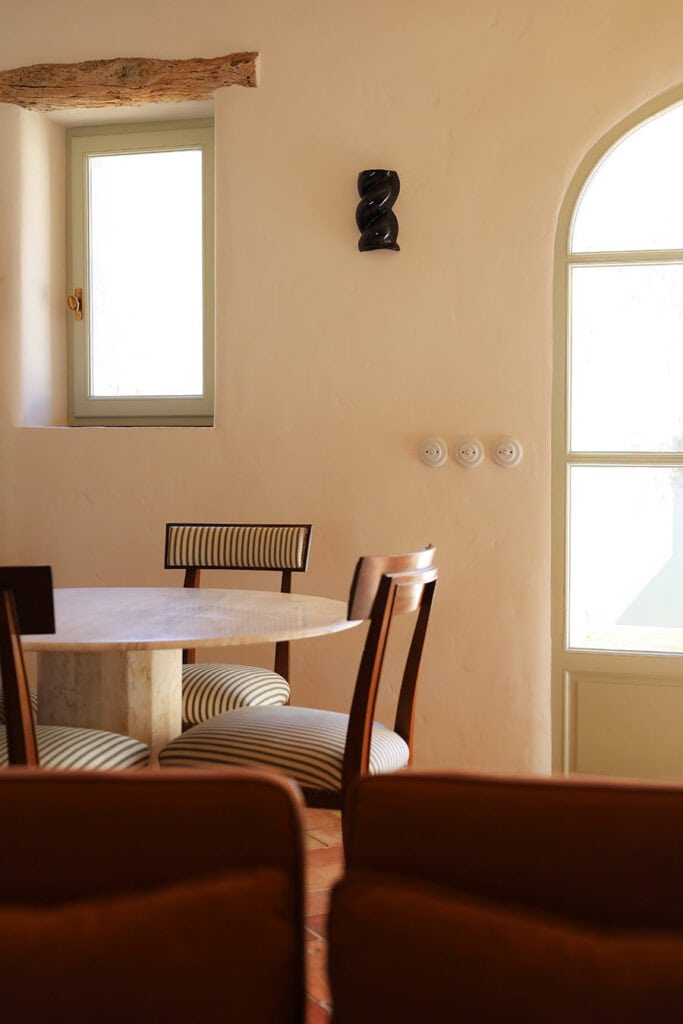
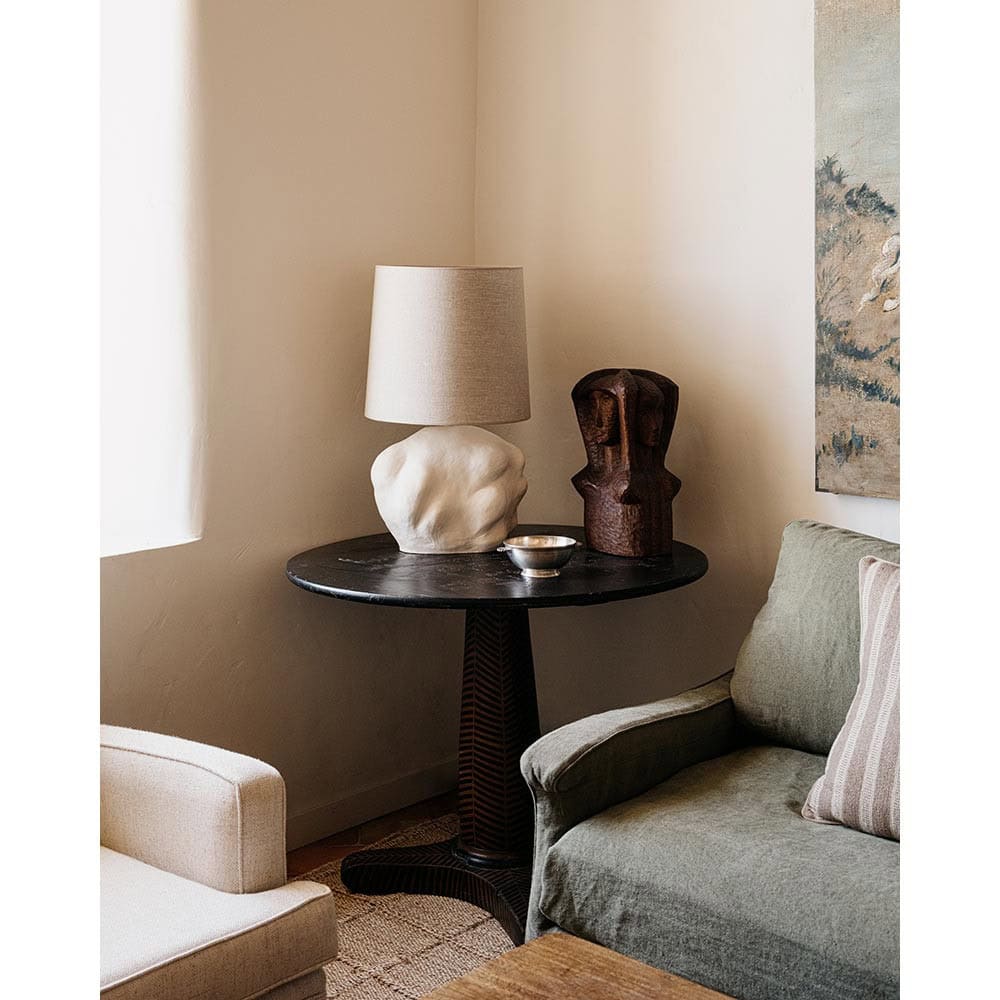
From this approach emerged her iconic Babka—named after the traditional Polish brioche of her childhood. An organic, generous form that has become her signature.
At the core of her practice lies the concept of “presque”—the idea of “almost.”
Imperfection becomes a space of freedom rather than failure.
Inspiration: Antiquity, Italy, and the Body
Italy remains a strong influence. The classical return to the body is translated into a contemporary sculptural language.
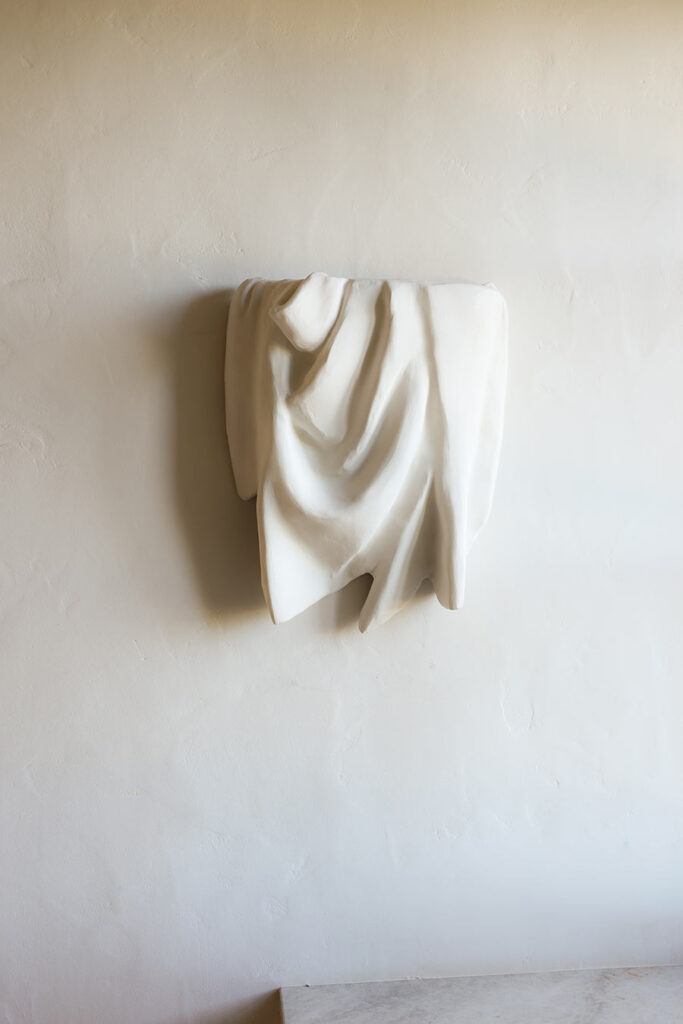
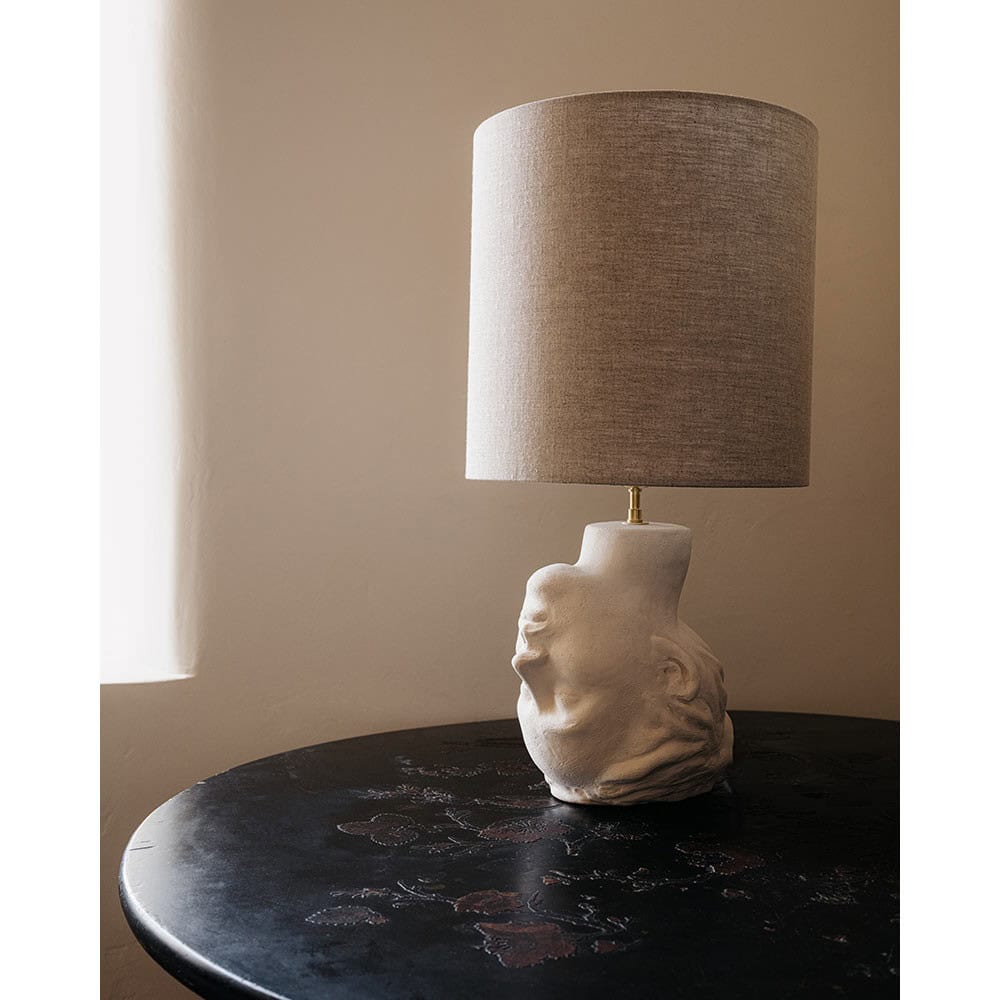
Roman bas-reliefs become light objects, while pieces like the Upside Down Lamp reinterpret Sicilian vases—flipped, transformed, and reimagined as sources of light.
The body remains central:
“Everything stems from the body—and therefore from nature.”
A Defining Encounter
A key moment in her trajectory was meeting Chiara Colombini in 2024. At the time, Aurélie was still working in a small studio, accompanied by doubt.
Colombini’s recognition became a catalyst. A first exhibition in Paris followed, marking her entry into a more professional artistic sphere.
Today and Beyond
Now based in the Luberon, Aurélie continues her exploration in an environment that has reshaped her relationship to time.
“Here, time has expanded.”
Her works remain deeply personal—fragments of an ongoing inner dialogue where sensuality meets raw energy.
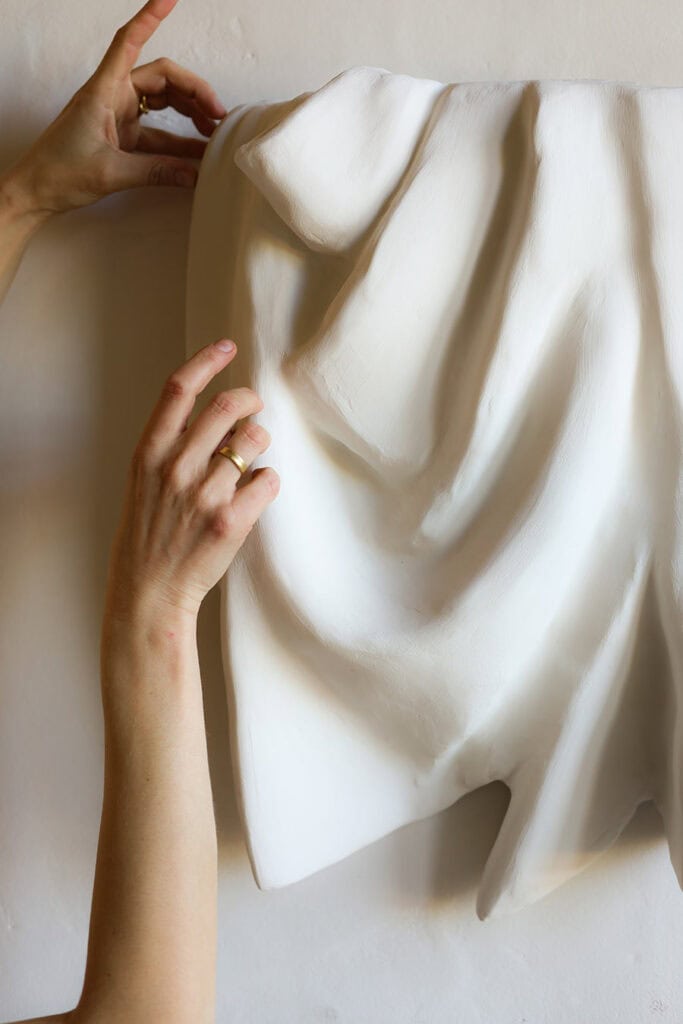
Following the success of her Babka collection, she now introduces a new body of work: Drappegio.
Each piece is entirely handmade—an embodiment of instinct, material, and emotion.