INSPIRATION FROM AROUND THE WORLD FOR AN AESTHETIC AND MEANINGFUL LIFESTYLE
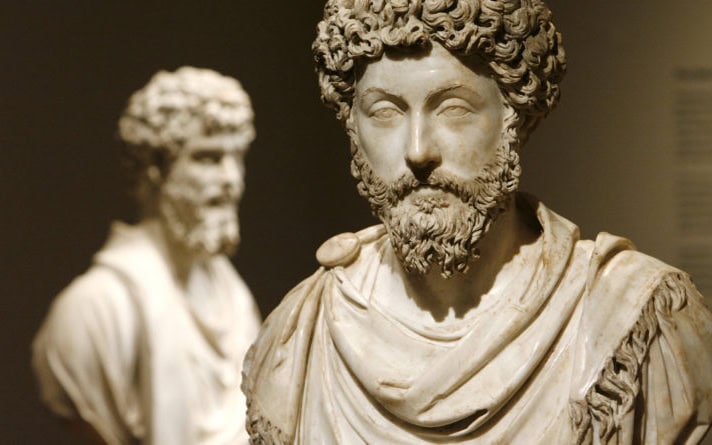
Stoicism, a philosophical school originating in ancient Greece, is experiencing a renaissance in today's fast-paced and often overwhelming world. Its central principles not only provide guidance during uncertain times but also offer a framework for mindful and balanced living. This article explores the profound philosophy of Stoicism, its historical roots, and its relevance in modern society.
Jay Shetty is many things: a former monk, bestselling author, podcast host and above all a passionate arbiter of wisdom for the modern world, which often seeks direction. His name is synonymous with mindfulness and the art of living, and his message reaches millions of people across the globe. With his unique blend of ancient spiritual traditions and a fresh, contemporary perspective, Jay Shetty has created a new form of mentorship – one that aligns with the hearts and minds of a global community.
Bhutan, the small kingdom in the Himalayas known as the "Land of the Thunder Dragon," captivates travelers with its untouched nature, Buddhist culture, and focus on happiness and mindfulness. Bhutan’s unique and highly sustainable tourism policy offers a refreshing alternative to overcrowded, fast-paced holiday spots. But what makes Bhutan a destination for mindful living, and what can visitors learn from a trip to this unique place?
How do you capture the essence of a place? One way to do it is through language. Learning basic words and phrases doesn’t just show respect, it also helps you to understand the people and their region a little better. It’s particularly interesting in South Tyrol, where melodic Italian meets rustic Tyrolean, resulting in as many dialects as there are valleys.
Nobility obliges. But so is the name. In the case of London's new The BoTree Hotel, the Bodhi tree, under which Buddha is said to have attained enlightenment, was the inspiration. Concrete Amsterdam created an appealing interior design for the five-star hotel.
Der Baum mit seinen Wurzeln, die tief und fest in der Erde verankert sind, und seiner Krone, die sich dem Himmel entgegenstreckt, verkörpert auf natürliche Weise die Verbindung zwischen Irdischem und Spirituellem. Er ist eine Erinnerung daran, geerdet zu bleiben, während man nach oben strebt. Das wissen auch die neuen Besitzer des Treehotels in Nord-Schweden, wo man in einem unberührten Wald in einzigartigen Architekten-Baumhäusern übernachten kann.

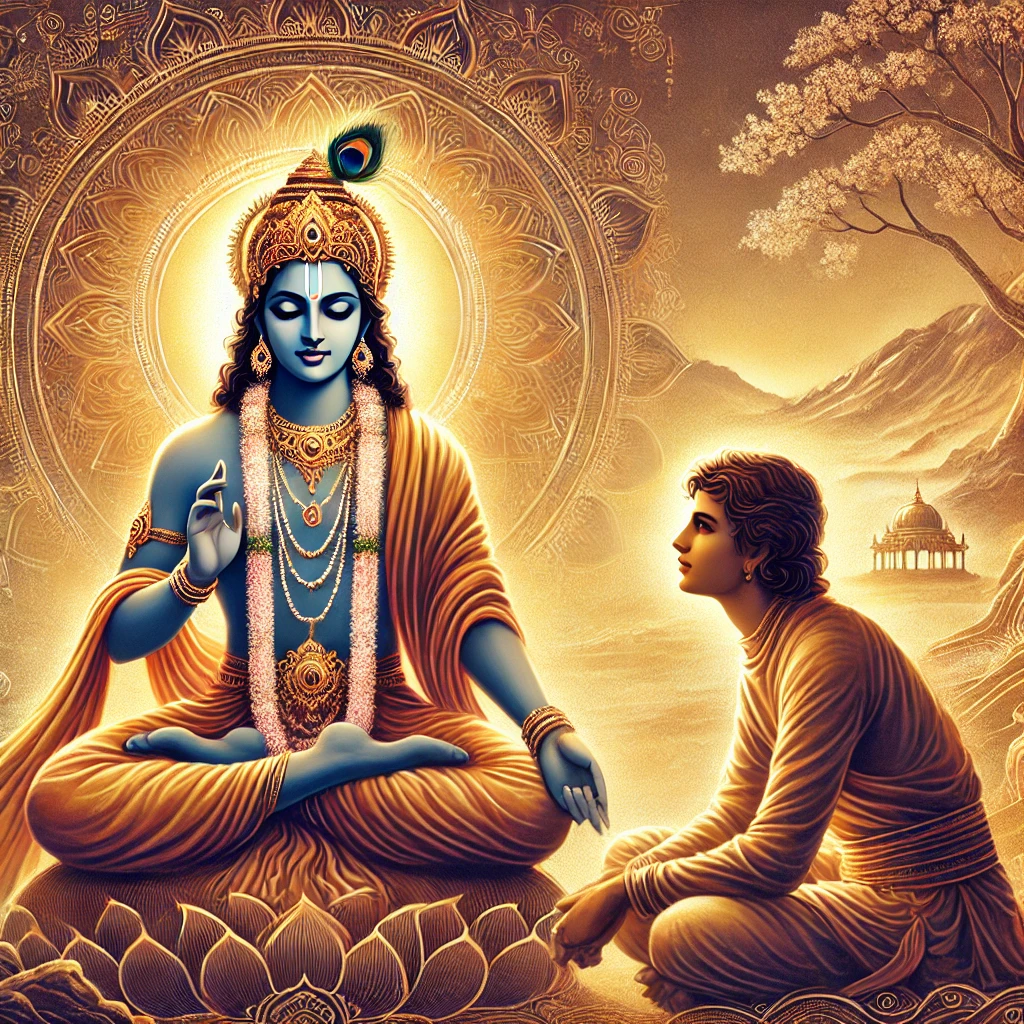
In a world characterised by rapid change, uncertainty and the search for meaning, a work that was written thousands of years ago is becoming increasingly important: the Bhagavad Gita. Originally written in Sanskrit and part of the Indian epic Mahabharata, it was probably composed around 500-200 BC, although its exact date of origin is not certain.
Back