



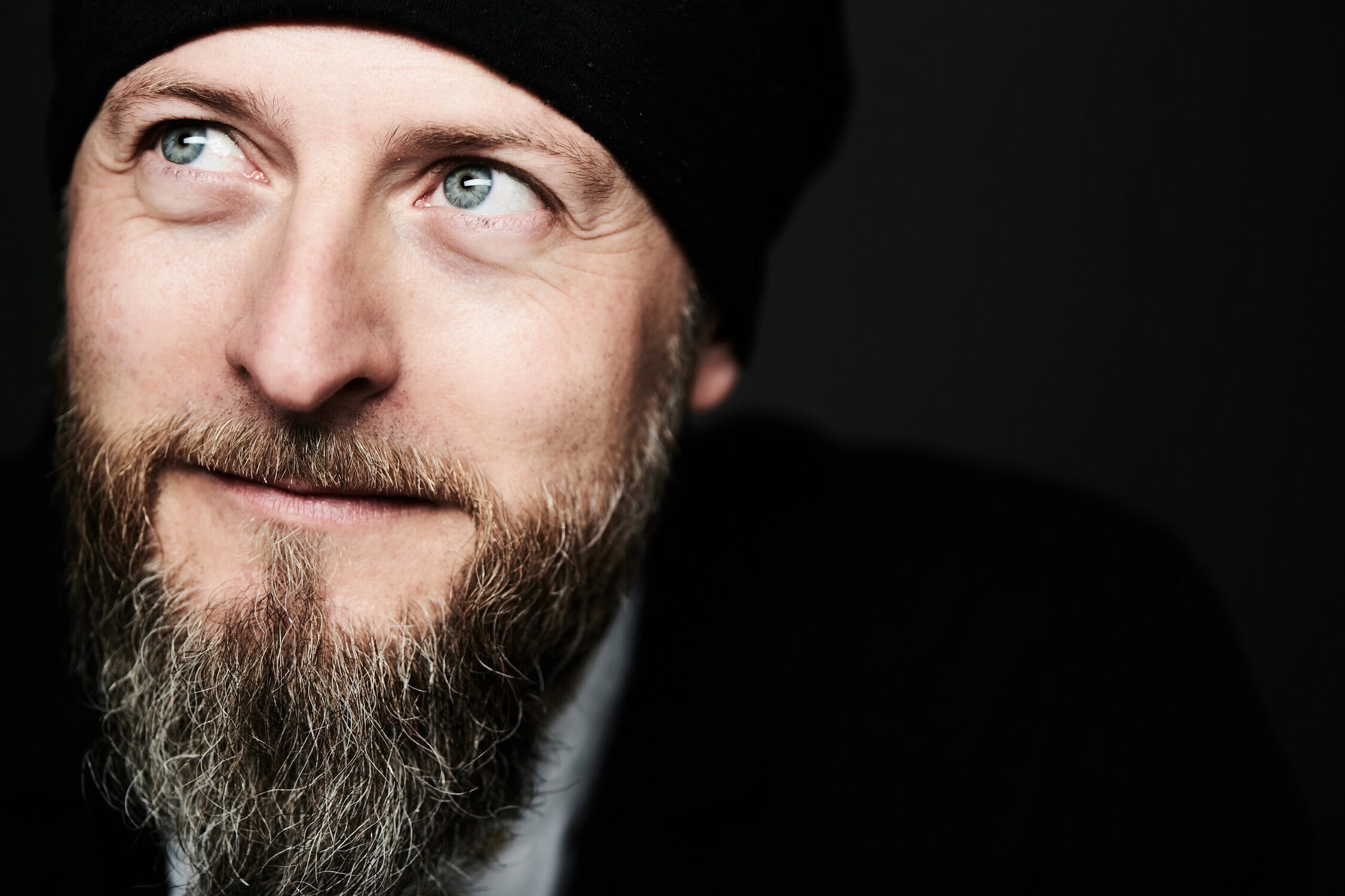
Markus Petzl on Disruption, AI and the Illusion of Innovation
Disruption is one of the most overused buzzwords of our time – and at the same time one of the least understood. Transformation consultant Markus Petzl speaks about cultural resistance, the illusion of innovation and why companies must learn to let go of control. A conversation about courage, chaos, AI and perhaps the greatest opportunity of our generation.
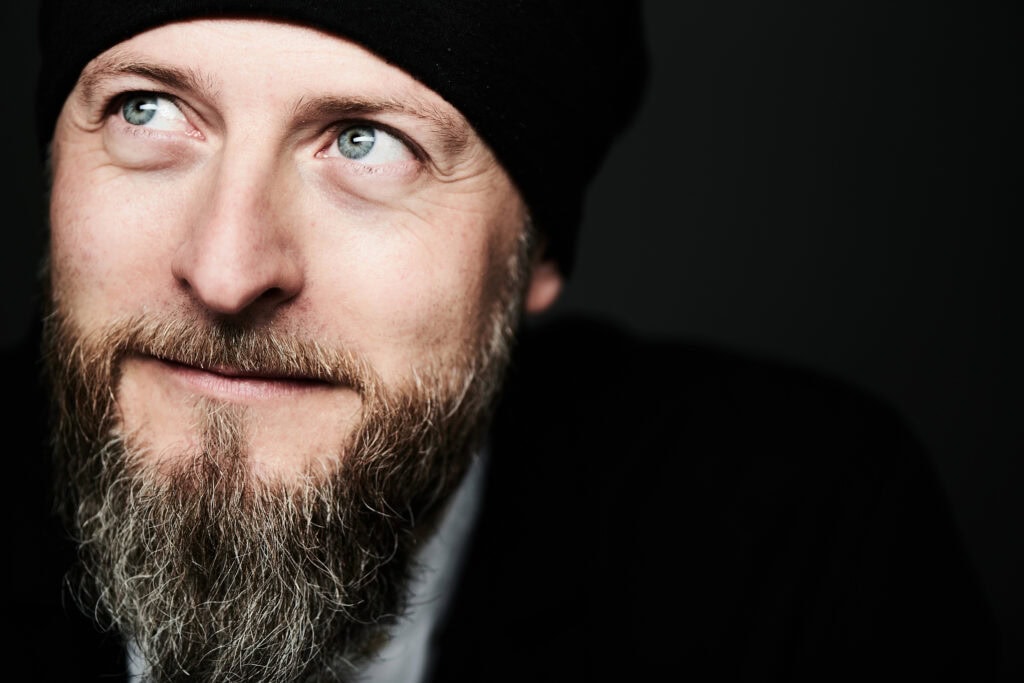
„Transformation im Kerngeschäft zu starten, ist oft der größte F“Starting transformation in the core business is often the biggest mistake”
If you had to completely rethink a traditional company today, what would you ban immediately?
Markus Petzl:
Without question, I would ban starting transformation within the core business. That’s exactly where most companies fail. The cultural resistance is enormous, the organization defends itself, and suddenly years pass without anything truly changing.
It is much smarter to begin “on the edge”: building small, radical units outside the existing structure, using new technologies and new ways of thinking. That is where the new emerges – and only later does the old business migrate there. Whoever starts in the core fights against the past. Whoever starts at the edge builds the future.
When is a company truly disruptive?
Disruption is often used as a buzzword. When is a company actually disruptive – and when is it just good marketing?
Markus Petzl:
You don’t recognize disruption through words, but through impact. A company is disruptive when it creates something that others offer in a clearly worse, more expensive or less useful way. When a real competitive advantage emerges.
Everything else is often just a well-staged smokescreen. Many brands talk about innovation, but their products tell a different story. And not every company needs to be disruptive all the time. But if it claims to be, you should be able to see it – not just hear it.
Why innovation often fails
Many companies want to be innovative but fail in execution. Why?
Markus Petzl:
Because of a lack of courage and a lack of honesty. And neither can be bought.
Many believe they can simply buy innovation through start-ups. But if the company culture is not ready, the new will immediately be “consumed” by the old. Innovation is not a project – it is a question of mindset, culture and spirit.
AI is changing the rules of the game
Do traditional industry logics still exist or are platforms and AI dissolving them?
Markus Petzl:
Traditional industry logic is increasingly being replaced by data and algorithms – making industries more interchangeable. At the same time, new meta-logics are emerging that function across industries.
Particularly exciting are so-called self-learning companies: systems that evolve in real time through feedback. They no longer wait for strategy meetings but continuously optimize themselves. We are only at the beginning, but the rules of the game are changing fundamentally.
“We’ve always done it this way”
When a company says, “We’ve always done it this way” – is that a warning sign?
Markus Petzl:
It is everything at once: a warning sign, a death sentence and an opportunity.
Because that sentence also shows that something worked for a very long time. And that is exactly the starting point: What happens if we radically rethink this “always-done-it-this-way”? What if we break it down into its core principles and rebuild it?
Real disruption often emerges precisely there – not despite the past, but from it.

How much chaos does innovation need?
Markus Petzl:
Chaos is like primordial soup – necessary, but difficult to tolerate.
Companies are designed to create order. Innovation, however, often arises in moments that cannot be fully controlled: through coincidence, unusual perspectives or the subconscious.
Sometimes the best ideas don’t emerge in meetings but in the shower. The trick is to allow these moments without letting everything descend into chaos.
Are traditional corporate structures outdated?
Are traditional corporate structures still compatible with disruption?
Markus Petzl:
Not really. But they won’t simply disappear – they will transform.
What’s fascinating is how major tech companies repeatedly reinvent themselves. At the same time, AI fundamentally challenges the very concept of “company.”
If, in the future, one single person with thousands of AI agents can run a billion-dollar business – then what even is a company anymore?
Next Practices instead of Best Practices
You speak about “Next Practices” instead of “Best Practices.” What do you mean by that?
Markus Petzl:
Two things are currently essential. First: letting go. Leaders must accept that AI will make decisions they themselves can no longer fully understand.

Second: clarity. AI needs clear goals, not strategic smokescreens. Half-hearted direction no longer works.
This is particularly challenging in cultures that love ambiguity. But without clarity, the potential of technology remains unused.
What role remains for humans?
If AI takes over strategy, analysis and creativity – what will consultants still be needed for?
Markus Petzl:
In the short term, more than ever. In the long term, significantly less – at least in the form we know today.
The key question is: What human quality remains? Perhaps two things: craftsmanship and a particular form of perception. What some might describe as neurodivergent thinking. Everything else can often be done better by AI.
But within that lies an enormous opportunity to redefine consulting entirely.
Why storytelling determines transformation
How important are aesthetics and storytelling for transformation?
Markus Petzl:
They are essential. Stories are the most powerful tool humans have for change. For thousands of years, we have organized ourselves around narratives – and that applies to companies as well.
Transformation does not succeed through numbers and strategies alone, but through meaning. Through stories that move people.
And perhaps AI itself is currently the greatest story of our time. We are standing at the beginning of a new era – comparable to the introduction of electricity.
If you look at it optimistically, today may actually be the worst day. Because tomorrow could already be better.
About Markus Petzl
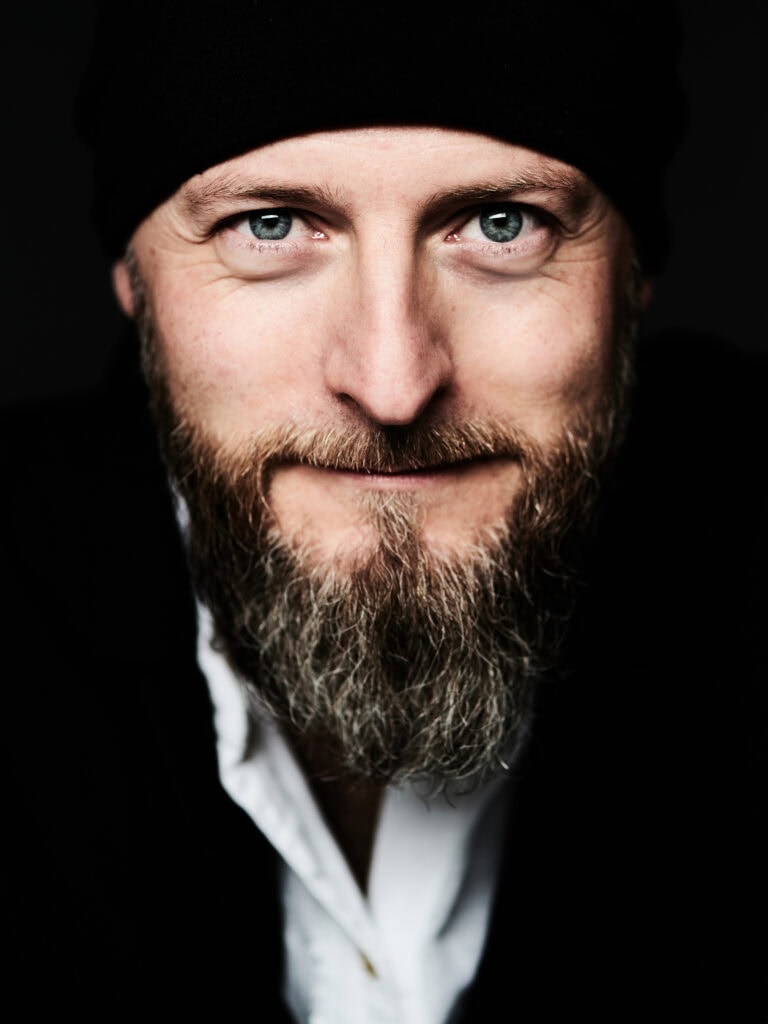
Markus Petzl is a transformation consultant and founder of disruptive, a consulting approach at the intersection of strategy, technology and culture. He works across industries – from retail and finance to industrial sectors – helping companies not only imagine radical change, but actually implement it.
At the center of his work are new organizational models, the use of AI and the development of so-called Next Practices. Petzl sees disruption not as a trend, but as a structural necessity – and as an opportunity to rebuild companies from the ground up.
disruptive.wtf