

California Forever: Vision, Resistance and the Future of Urban Living
In northeastern California, a project is emerging that challenges conventional ideas of urban planning: California Forever aims to build an entirely new city on former agricultural land for hundreds of thousands of people. Positioned between ambitious sustainability goals, affordable housing and economic innovation, the project brings together vision and controversy. At its core lies a fundamental question: How much space should private ownership occupy in shaping public interests and the cities of tomorrow?
A Utopia Between Farmland and Industrial Zones
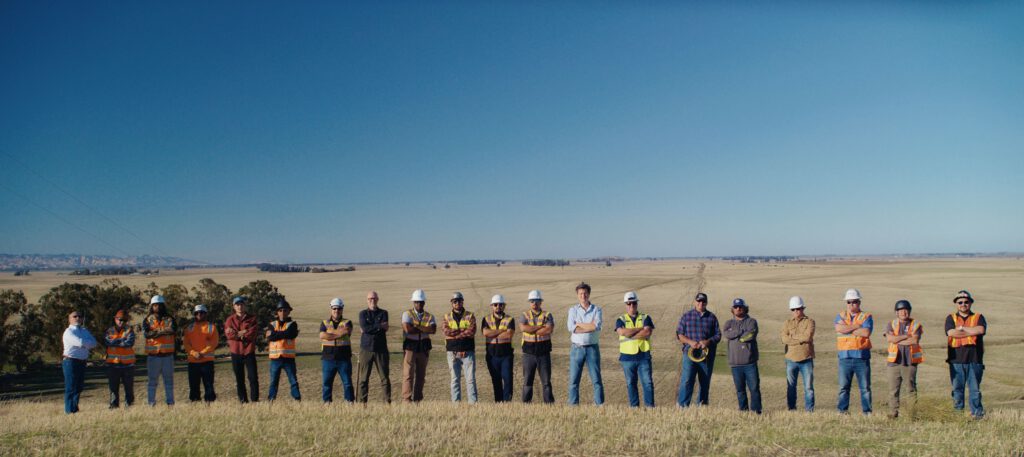
At a time when California functions both as a laboratory for ideas and a reactor of crises — overwhelmed by housing shortages, climate extremes and political fragmentation — a project has emerged that is too large to ignore and too controversial to celebrate uncritically: California Forever. What began as a secretive, billion-dollar acquisition of farmland in Solano County has evolved into one of the most polarizing urban development projects in the United States.
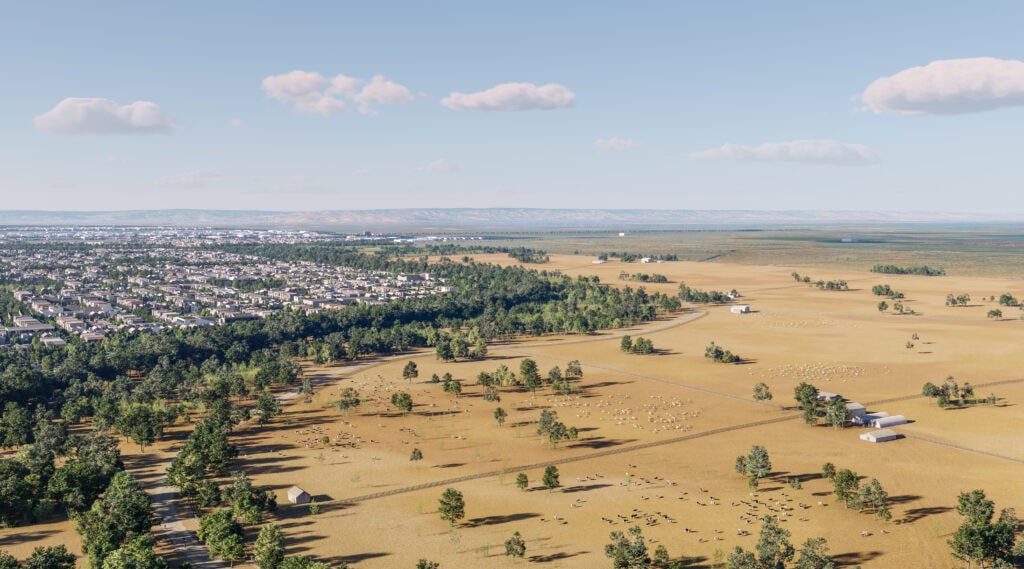
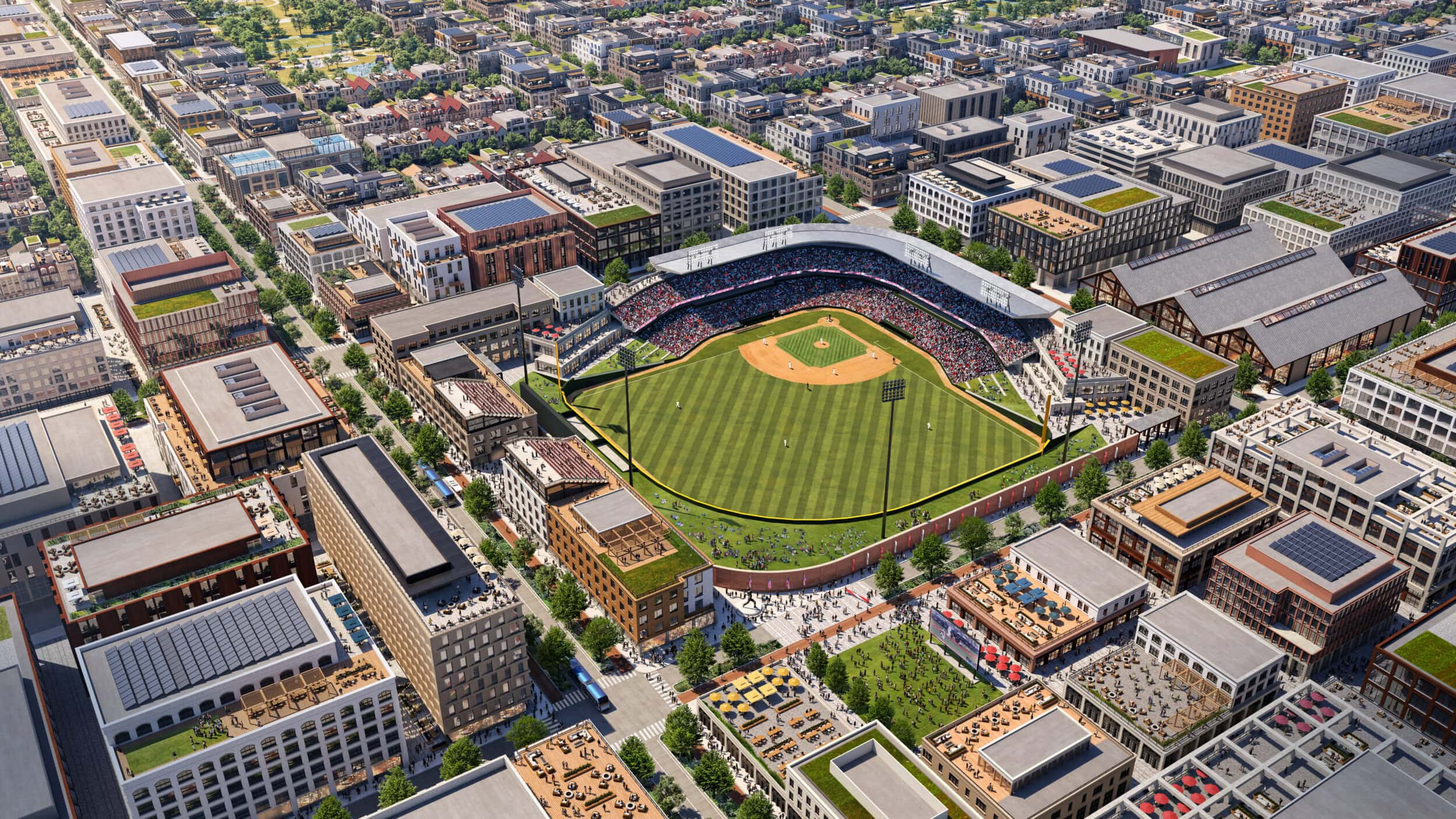
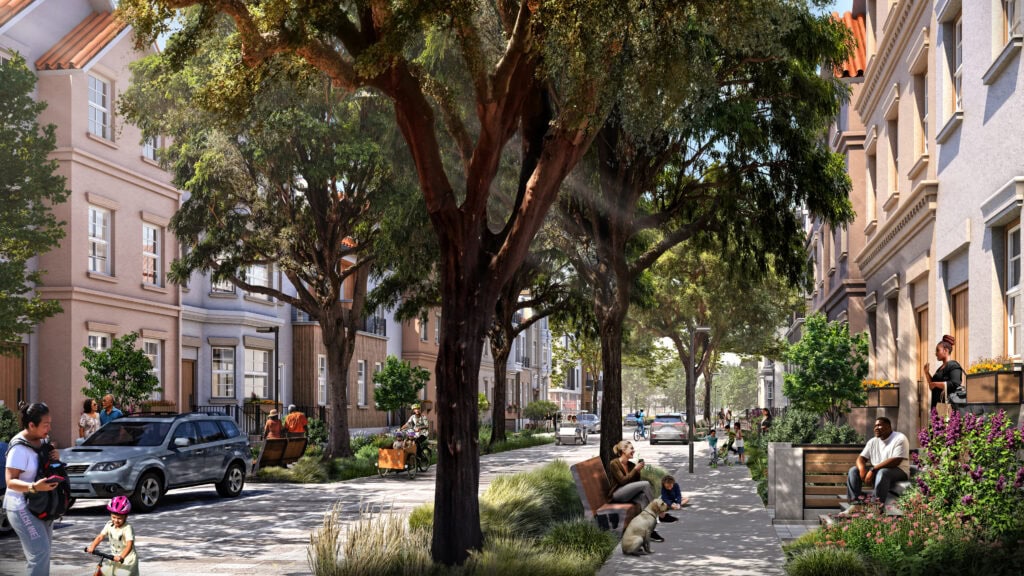
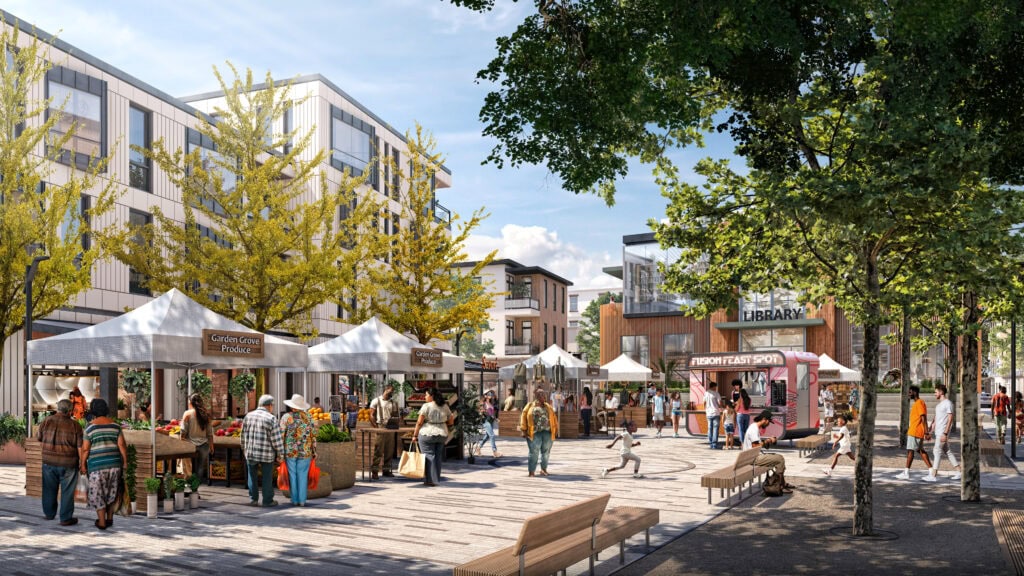
California Forever presents itself as an answer to California’s seemingly unsolvable triangle of challenges: affordable housing, high-quality jobs and ecological sustainability. The vision describes a new city powered by clean energy, walkable mixed-use neighborhoods and modern infrastructure designed around public transportation and connectivity.
Jan Sramek, founder and CEO of the project, summarized the ambition by stating:
“California was once a place of hope and opportunity … but in recent decades, we stopped building.”
Rethinking Urban Development
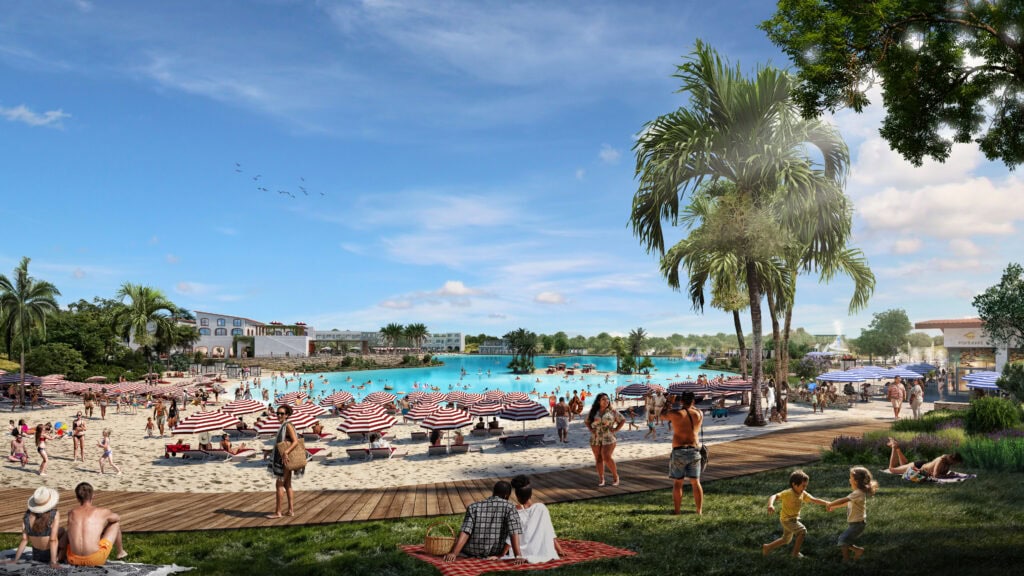
From an urban planning perspective, California Forever follows an ambitious model: density, mixed-use development, public spaces and alternatives to car dependency are placed at the center instead of endless suburban sprawl. Sustainability is promoted as a core value. The city aims to become one of the lowest per-capita CO₂-emission development projects in the United States while positioning itself as climate resilient.
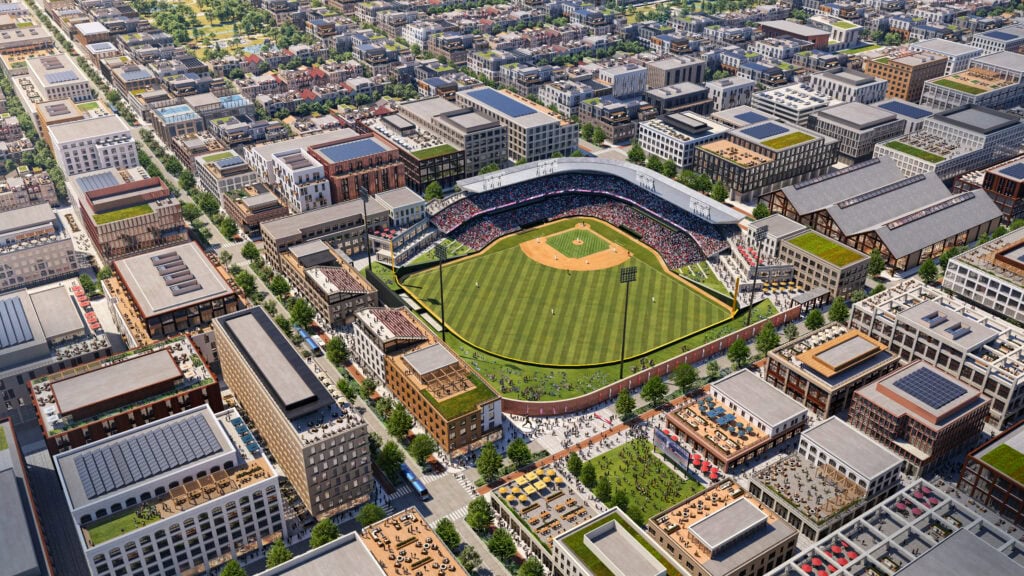
Yet the tension between theory and local reality fuels the real debate. Surveys show that 68 percent of registered voters in Solano County view the project negatively, while 61 percent stated they would vote against the corresponding measure. Perhaps most strikingly, opposition tends to grow the more informed people become about the project itself.
Many local residents criticize the fact that the plans were introduced from the outside long before communities fully understood what was being proposed. Public meetings frequently turned confrontational, with even carefully crafted presentations by the project team met with skepticism and resistance.
Land, Power and Public Control
One of the most controversial aspects remains the way California Forever acquired the land. Over several years, the investor group quietly purchased thousands of acres, raising questions about transparency, democratic legitimacy and the role of private influence in shaping public space. Critics argue that no private consortium should possess the authority to define an urban landscape that will affect generations to come.
This leads to a broader philosophical dilemma: Can private capital, even when claiming to solve social problems, legitimately act as an autonomous urban planning force? Or does this undermine collective democratic decision-making? For many residents, the answer is clear: cities belong first and foremost to the people who live in them.

Supporters of the project point instead to California’s structural problems — stagnant construction, soaring housing costs and the outflow of skilled workers. Studies cited by California Forever predict thousands of future jobs as well as economic and ecological benefits for the wider region.
New Strategies, Old Resistance
After withdrawing a statewide ballot initiative in 2024, the project shifted its strategy. Rather than forcing the creation of an entirely new municipality, California Forever now focuses on annexation through existing cities. Suisun City and Rio Vista may eventually become part of the development. The tactical shift illustrates how strongly California’s political realities continue to shape even the most visionary urban projects.
California Forever is far more than a real estate development. It has become a testing ground for debates surrounding housing policy, ecological responsibility, democratic legitimacy and the future of urban life itself. At a moment when California faces housing shortages, climate risks and infrastructure challenges simultaneously, such a vision may appear almost necessary. Yet its success will ultimately depend not only on design and capital, but on the ability to create a shared language between investors, communities and the public.