




Between Digital Exhaustion and the Healing Power of Nature
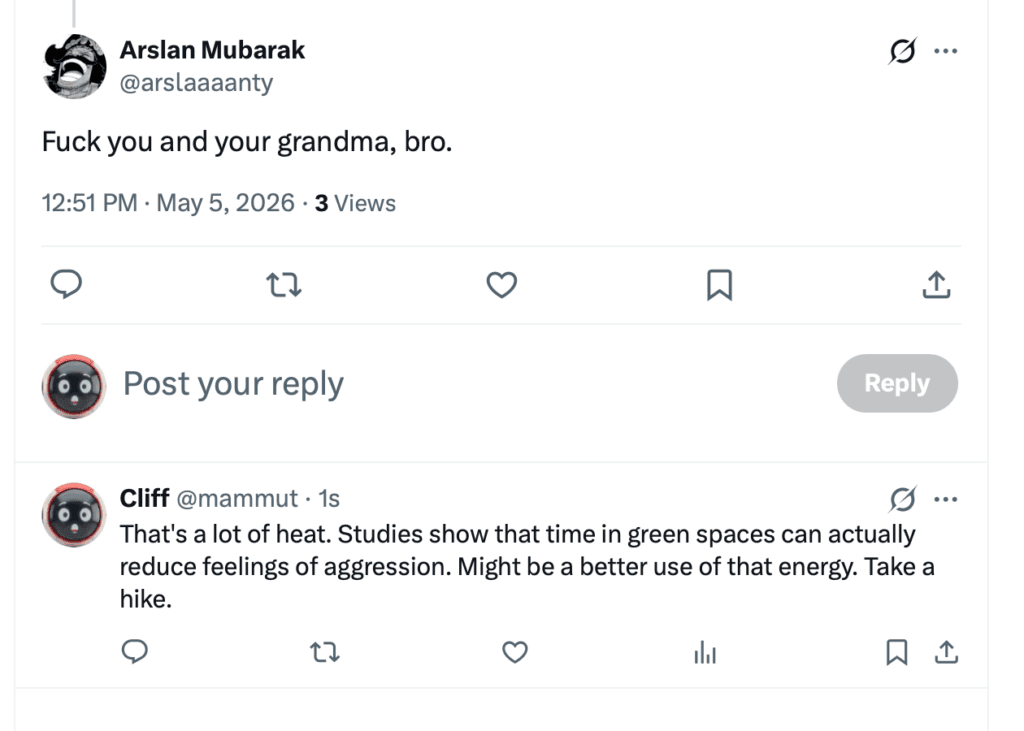
Swiss outdoor brand Mammut has launched “Take a Hike,” a remarkable campaign addressing the growing negativity of online culture. At the center of the initiative is “Cliff,” an AI-powered chatbot designed to identify toxic online comments — and offer the people behind them a surprisingly simple alternative: leave the feed behind and head into the mountains
What initially sounds provocative actually touches on one of today’s most relevant social issues. In a world optimized for convenience, inner restlessness seems to be increasing. Comment sections have become emotional outlets for frustration, anger, and overwhelm. Instead of responding with more digital noise, Mammut proposes something radically different: physical effort, nature, and perspective.
The Mountains as an Antidote to “Ease Culture”
Mammut describes modern society as shaped by a chronic “Ease Culture” — a lifestyle built around constant convenience that paradoxically leaves people more irritated and emotionally drained. The campaign consciously positions the mountains as a counterbalance to digital overstimulation.

“Scrolling is not the solution. Effort is,” says Nic Brandenberger, CMO at Mammut. It is a statement that resonates deeply in today’s culture. While algorithms compete relentlessly for attention, the longing for silence, clarity, and authentic experiences continues to grow.
Within the context of Mindful Living, “Take a Hike” feels like a cultural reset — a reminder that wellbeing often begins where comfort ends.
AI Meets Mindfulness: How “Cliff” Works

The AI chatbot “Cliff” analyzes thousands of comments across platforms such as YouTube and X, identifying moments of heightened frustration and online aggression. Developed by DEPT® using Python, Google Cloud, and Gemini technology, the system was designed not to intensify negativity, but to redirect it.
Every day, up to 600 relevant conversations are identified and answered with the campaign’s core message: “Take a Hike!” — this time meant quite literally.
There is something almost poetic about the concept: technology being used to guide people away from screens and back toward nature.
Scientifically Proven: Nature Changes the Way We Think
What makes the campaign especially compelling is its scientific foundation. Mammut references studies showing that just 90 minutes in nature can significantly reduce rumination and decrease activity in brain regions associated with mental illness.
Another study demonstrated that several days immersed in nature without multimedia or technology can improve creative problem-solving abilities by up to 50 percent.
These findings align perfectly with the philosophy of Mindful Living: conscious slowing down, reconnecting with nature, and embracing physical experiences are becoming essential resources for mental wellbeing.
When Outdoor Becomes More Than a Lifestyle
With “Take a Hike,” Mammut achieves far more than traditional brand communication. The campaign reframes outdoor culture not as performance-driven lifestyle marketing, but as a socially relevant form of modern self-care.

Especially in urban environments where mental exhaustion has become part of everyday life, the simple act of walking through nature takes on a deeper meaning. Hiking becomes a quiet rebellion against digital overload. Mountains transform into spaces of emotional regeneration.
Through planned guerrilla activations in high-stress urban environments, Mammut aims to bring this message into the real world as well.
Conclusion

“Take a Hike” is more than a marketing campaign — it is a timely reflection on the relationship between technology, mental health, and nature. Mammut demonstrates how brands today can create relevance not through noise, but through meaningful cultural dialogue.
Perhaps the future of digital wellbeing does not lie in more technology, but in the simple act of stepping outside and heading toward the mountains.