
Why timber is more than a material – and becoming the philosophy of contemporary architecture
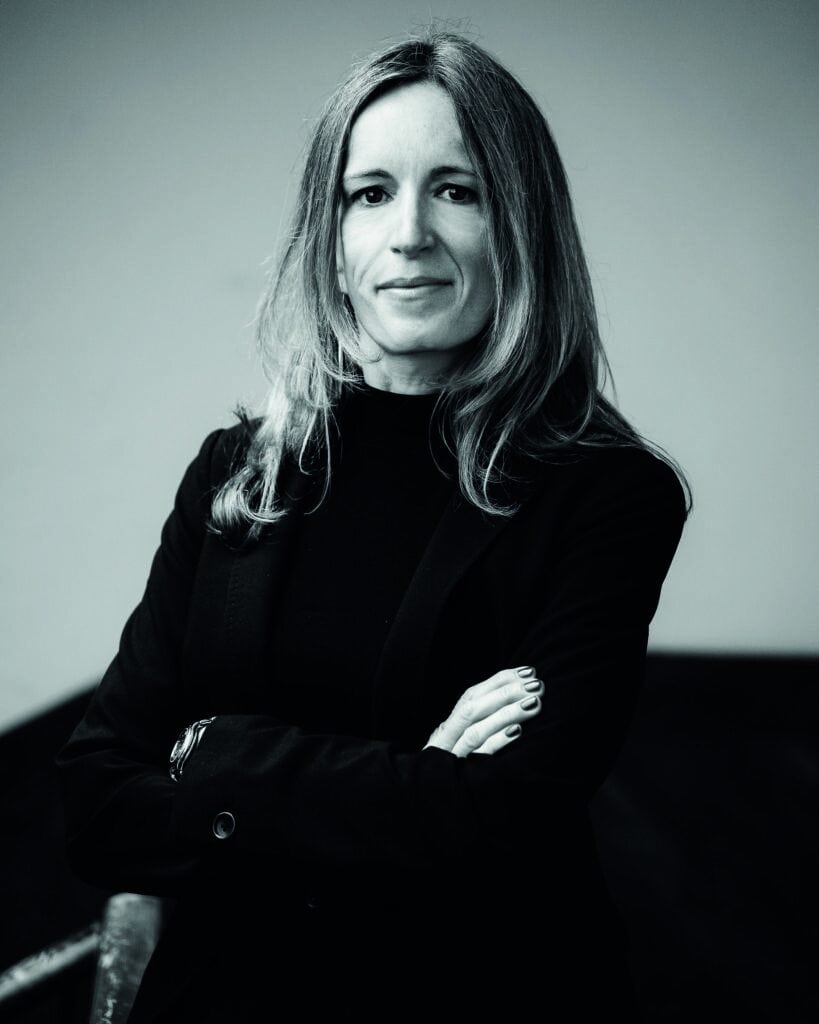
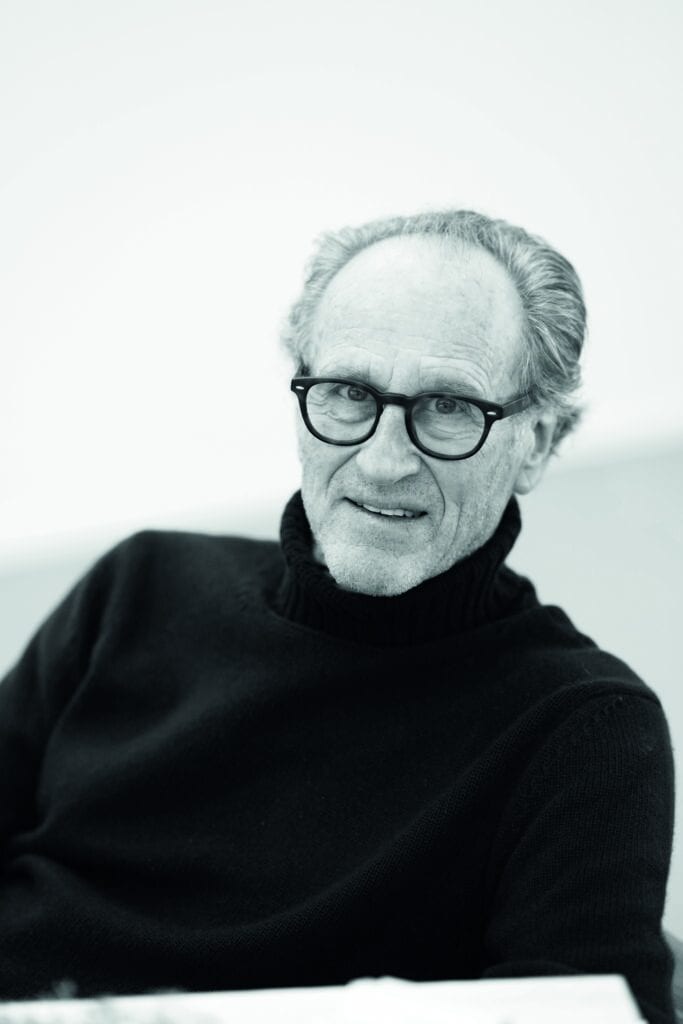
Wood is not making a comeback – it never left. But today, it evolves from material to mindset. For Matteo Thun & Partners, timber represents a holistic philosophy rooted in sustainability, human well-being, and contextual design.
Wood as a design philosophy
“Wood is never neutral.”
It carries origin, craftsmanship, and time within itself. It reacts, ages, and transforms.
For architects, this means rethinking design:
How does a building relate to nature, to people, and to the future?
Design for people, for places, for life
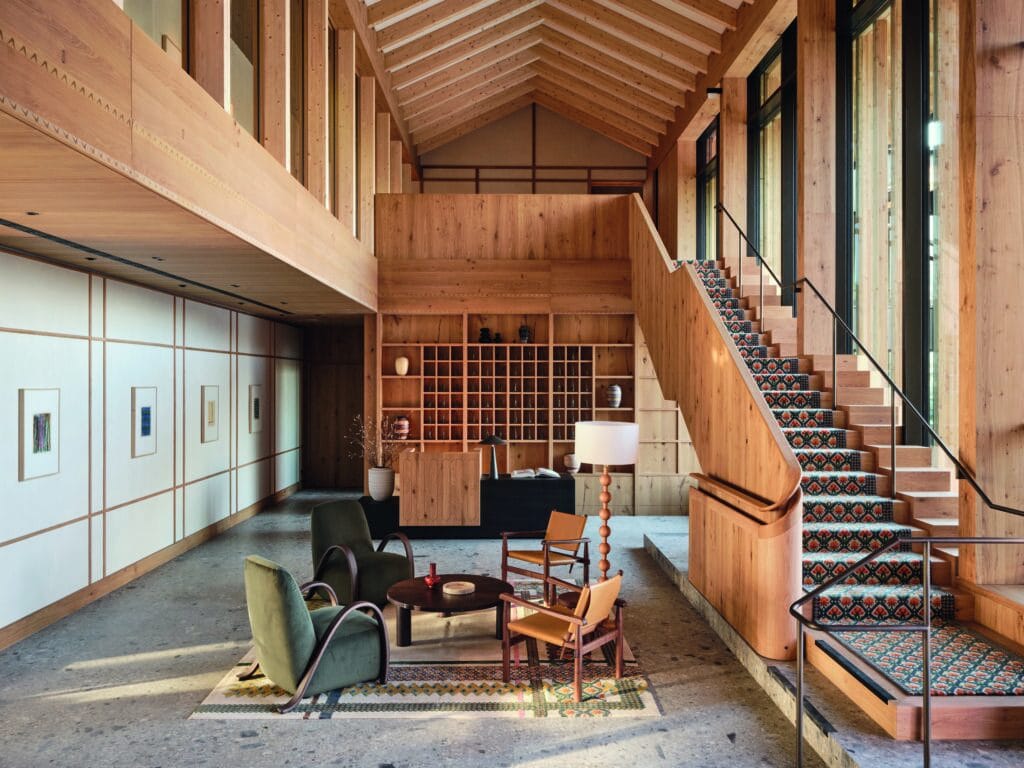
Architecture must support physical and emotional well-being.
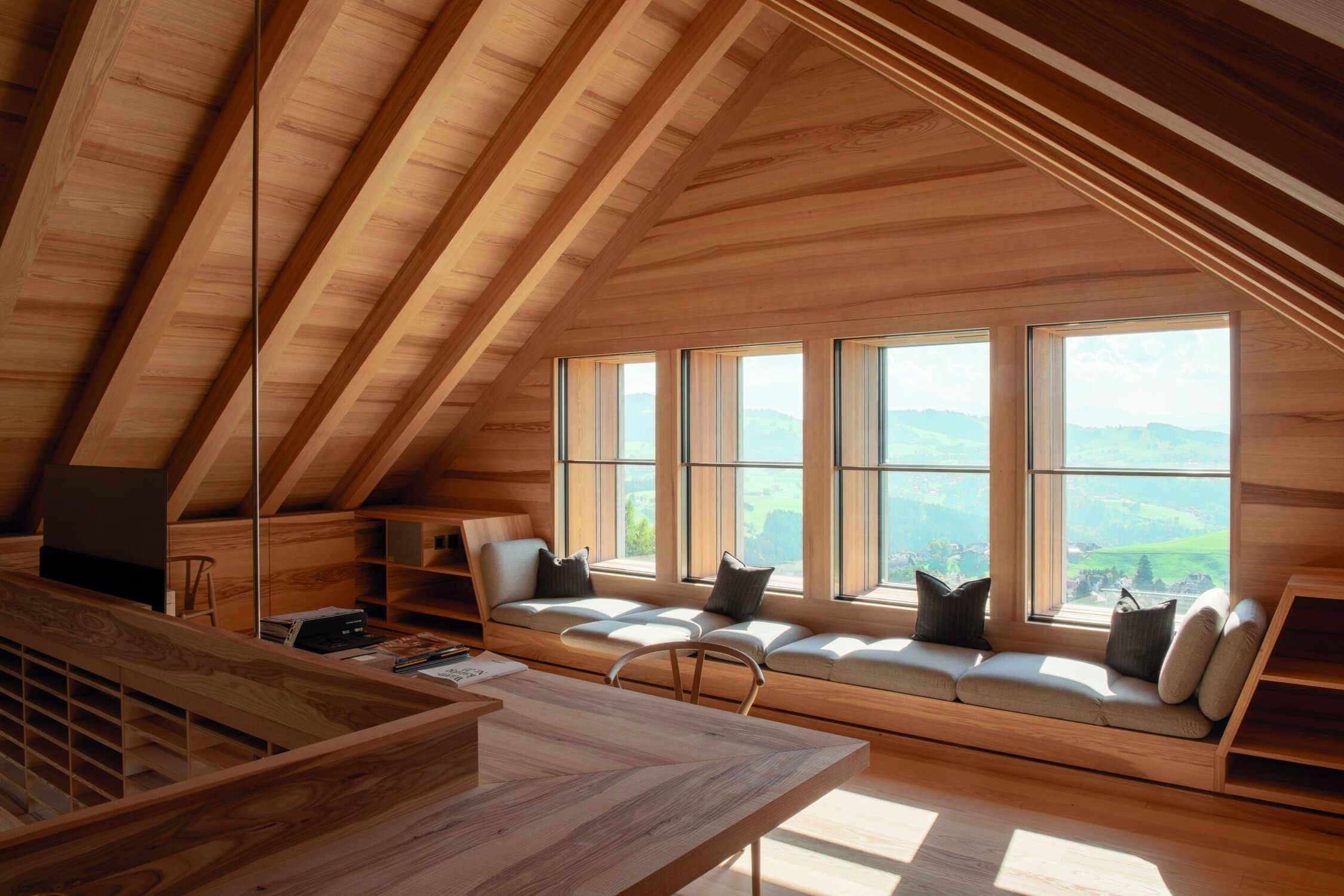
Wood enhances spaces through:
- warmth
- tactility
- ecological performance
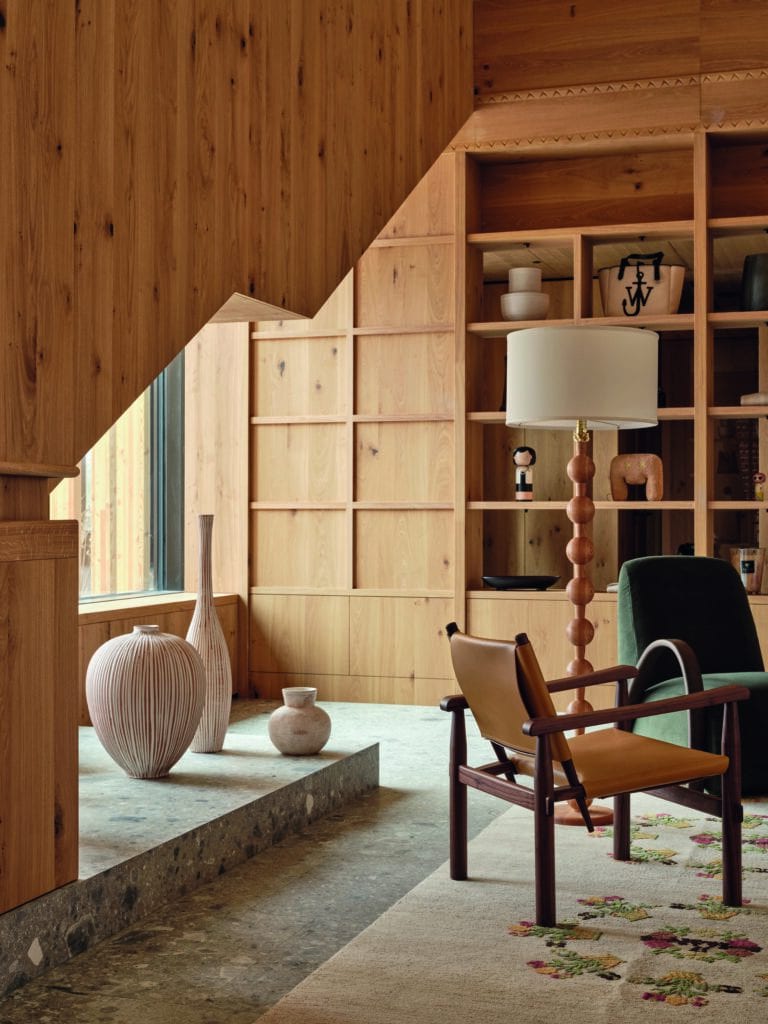
Yet the key lies in context. Every place has its own identity – its genius loci. Wood becomes the medium through which architecture responds.
A high-tech material rooted in tradition
Innovations such as CLT and glulam have transformed timber into a high-performance building material.
It is durable, fire-resistant, and structurally advanced – while remaining timeless and flexible.
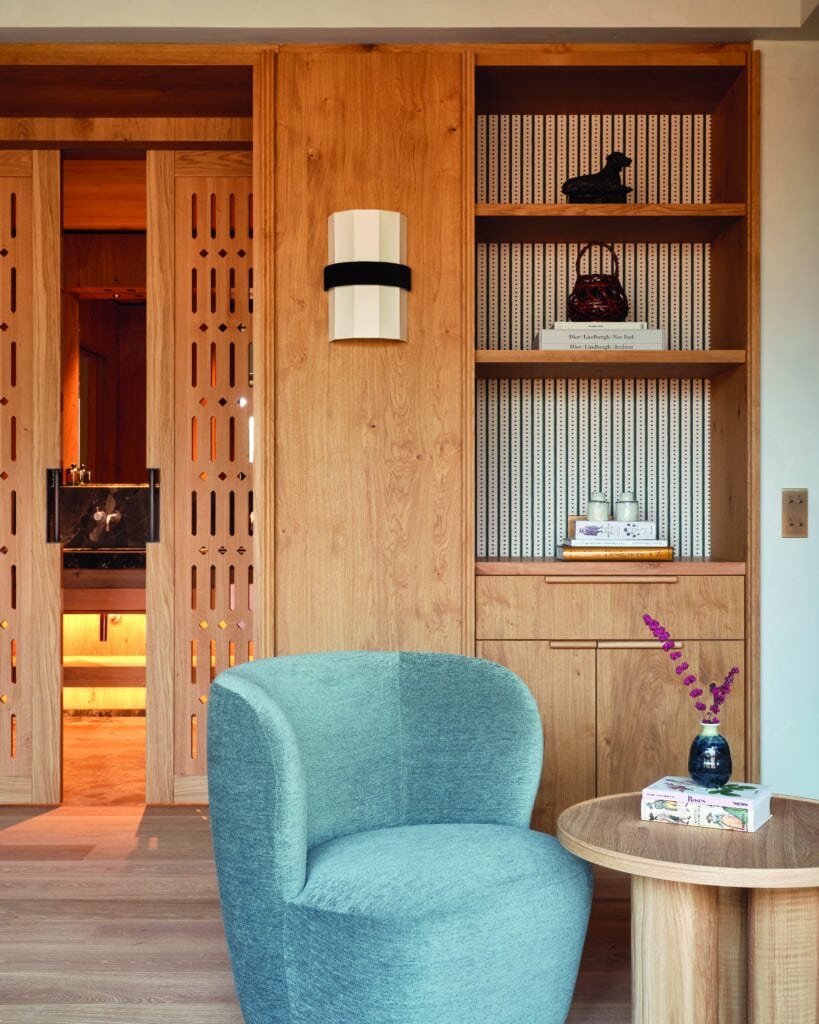
The “3 Zeros” philosophy
Sustainability becomes tangible through:
- Zero kilometers – local sourcing
- Zero emissions – CO₂ storage
- Zero waste – circular reuse
Wood is not just sustainable – it actively contributes to climate solutions.
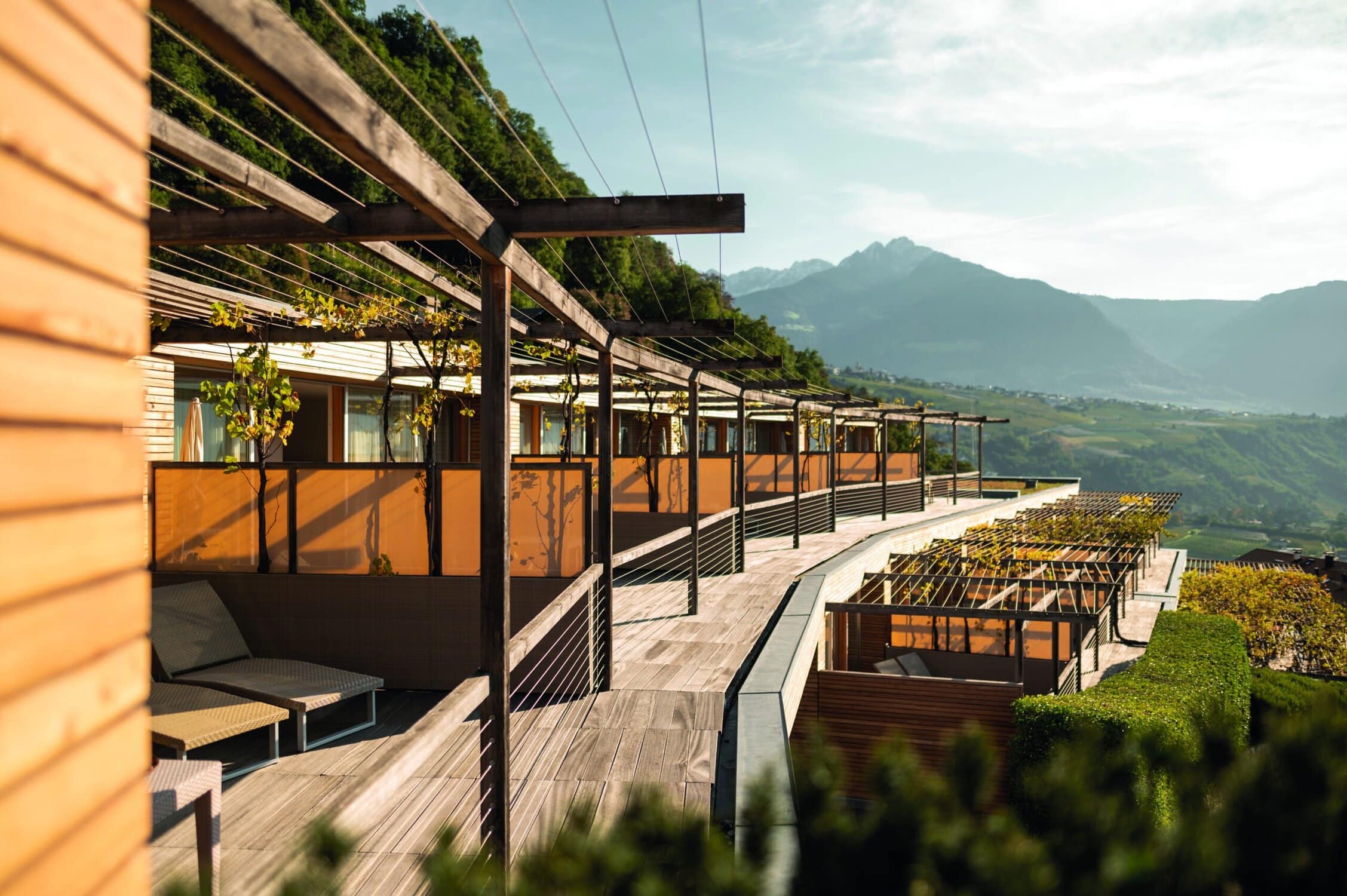
Circular thinking in practice
Projects like Fratelli Tutti demonstrate true circularity: reclaimed wood becomes architecture, then returns to its origin.
Design becomes part of a living cycle.
Patina as beauty
Aging is not a flaw but a feature.
Weather and time shape wood’s surface, turning it into a narrative element.
Patina becomes design.
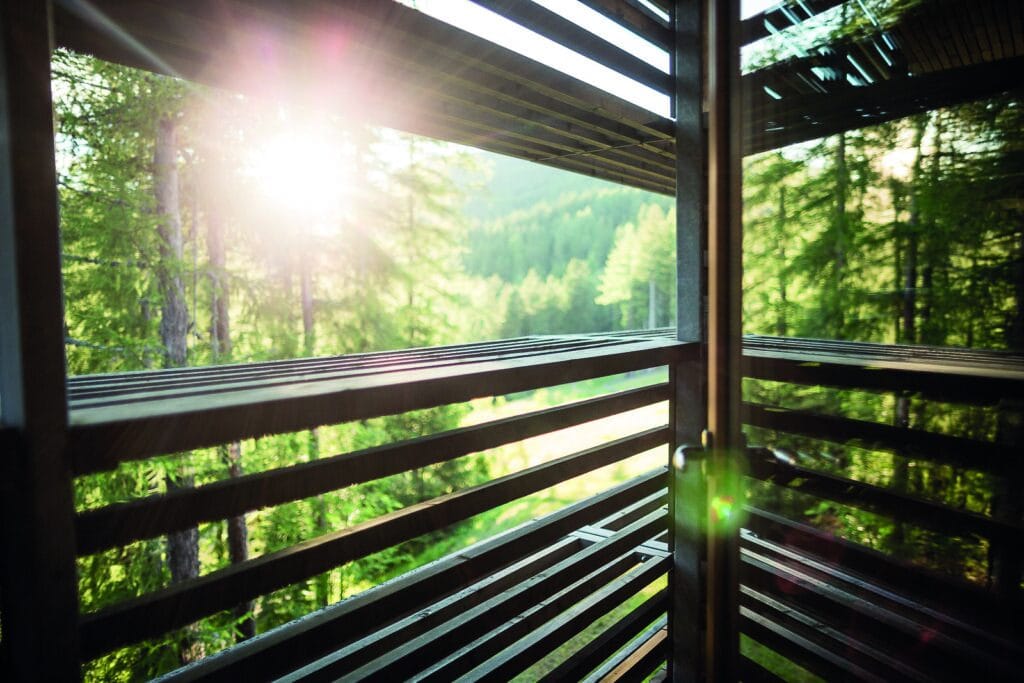
Precision and responsibility
Wood demands expertise. Its behavior depends on moisture, temperature, and structure.
Mistakes are visible.
Good timber architecture requires deep understanding and respect.
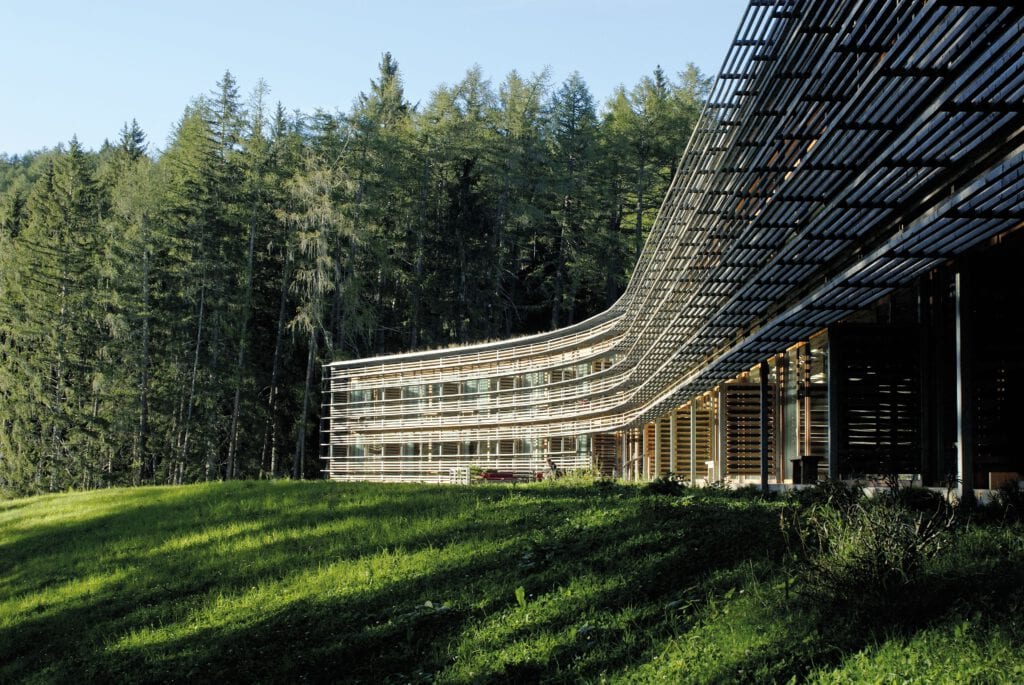
Building with intention
Wood represents a future-oriented approach to architecture:
circular, human-centered, and deeply connected to nature.
It proves that architecture can be more than construction—
it can be a relationship.