


Don Bronstein and the visual language of jazz
A silent observer, a chronicler of improvisation, and an invisible presence within the scene: Triennale Milano presents the first comprehensive European exhibition of Don Bronstein—revealing a new perspective on jazz and visual culture.
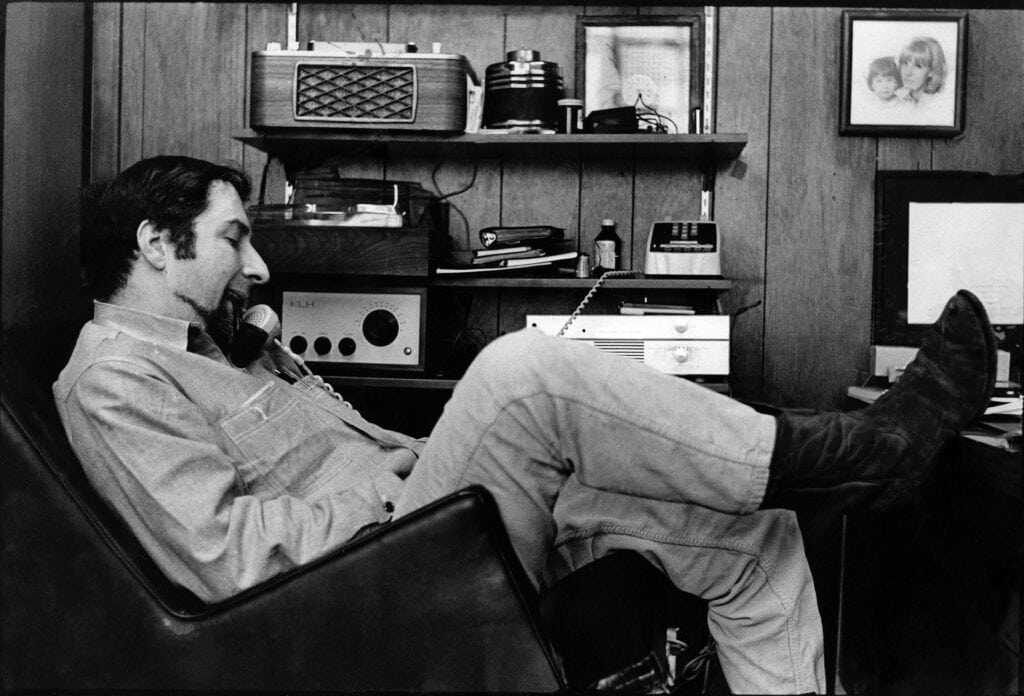
Between smoke-filled rooms, dim lights, and resonating sounds, a visual language emerged in Chicago’s clubs—captured not from a distance, but from within. Don Bronstein didn’t just document the moment—he became part of it.
The rhythm of seeing
With “The Rhythm of the Eye”, Triennale Milano presents the first European exhibition dedicated to Don Bronstein—photographer, art director, and a subtle yet defining figure of postwar American visual culture. The exhibition features works created between 1953 and 1968, rooted deeply in Chicago’s jazz and blues scene.
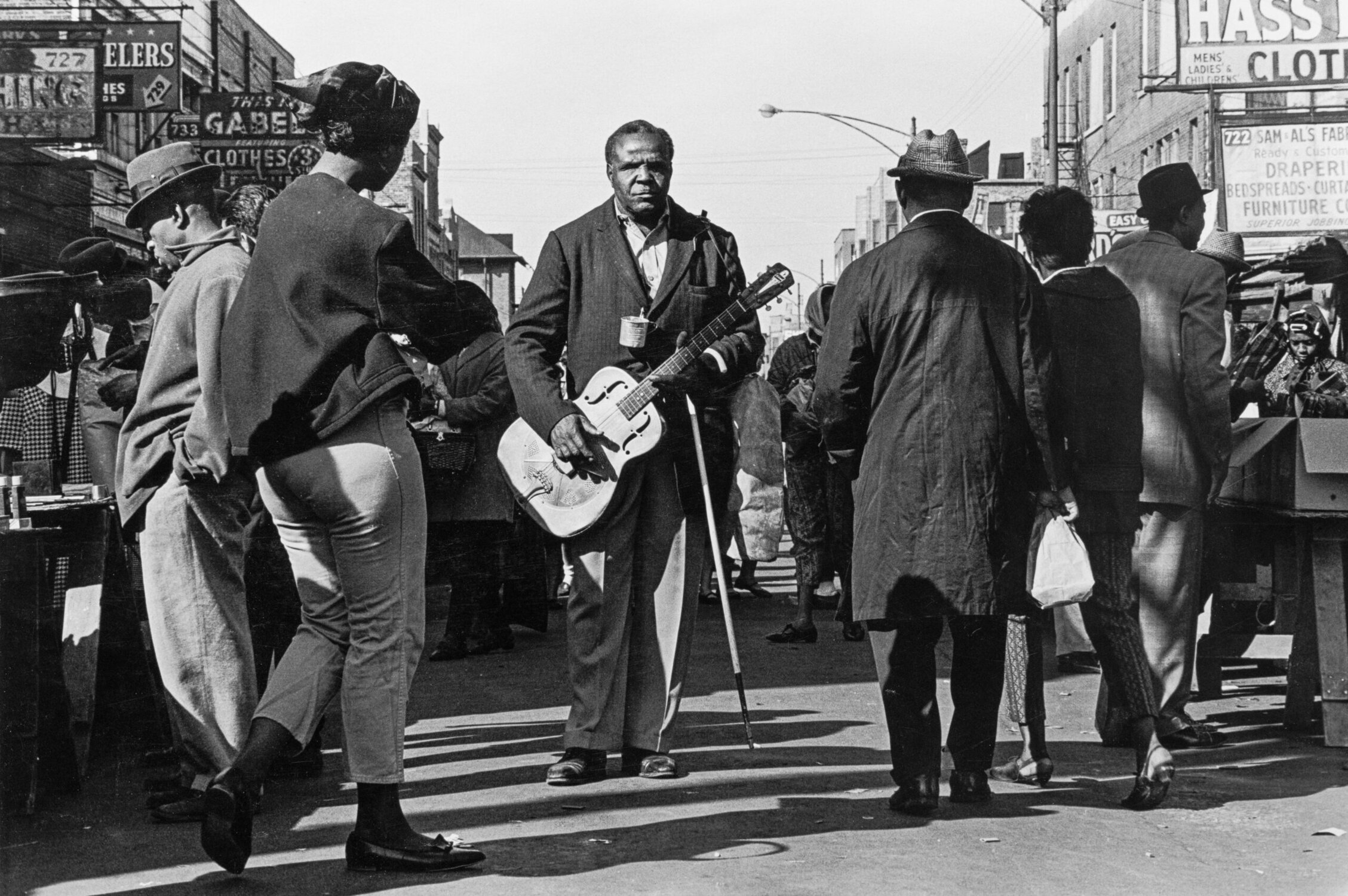
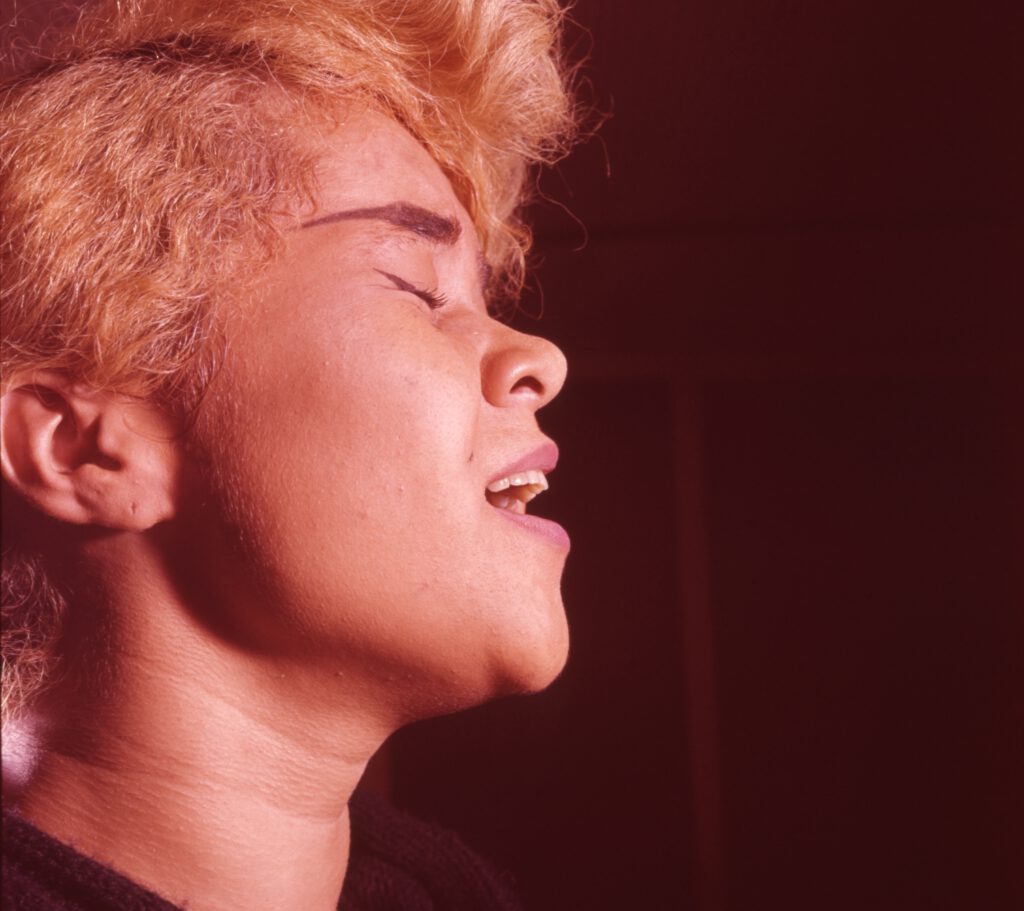
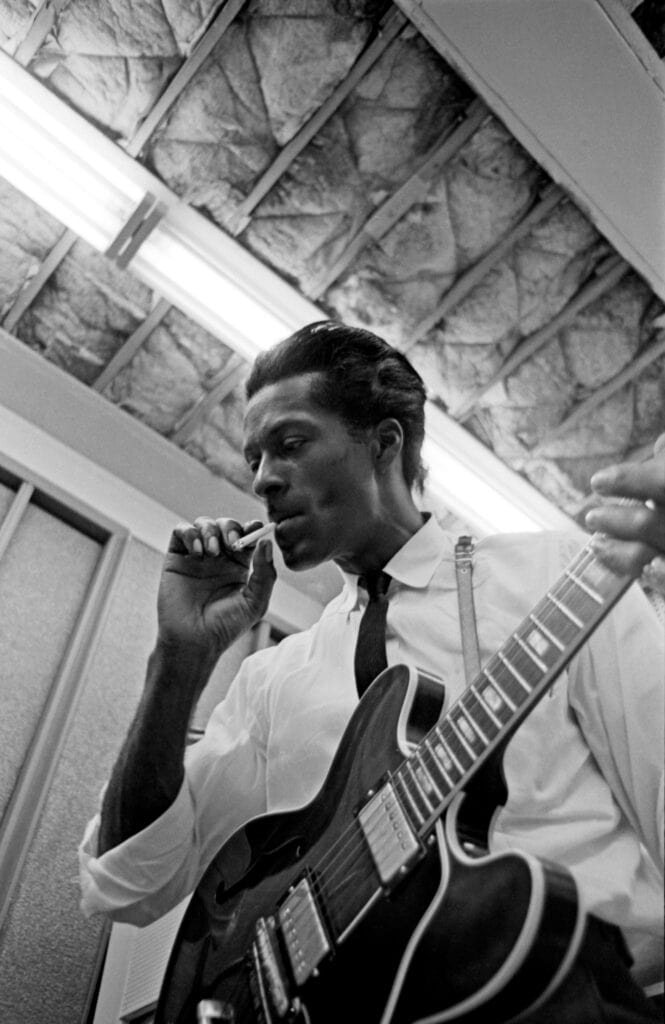
What defines Bronstein’s work is proximity. His camera doesn’t observe—it participates. It moves with the rhythm, capturing fleeting gestures, glances, and silences.
Between improvisation and intimacy
While Bronstein mastered composition through his work for magazines and album covers, the essence of his photography lies in improvisation.
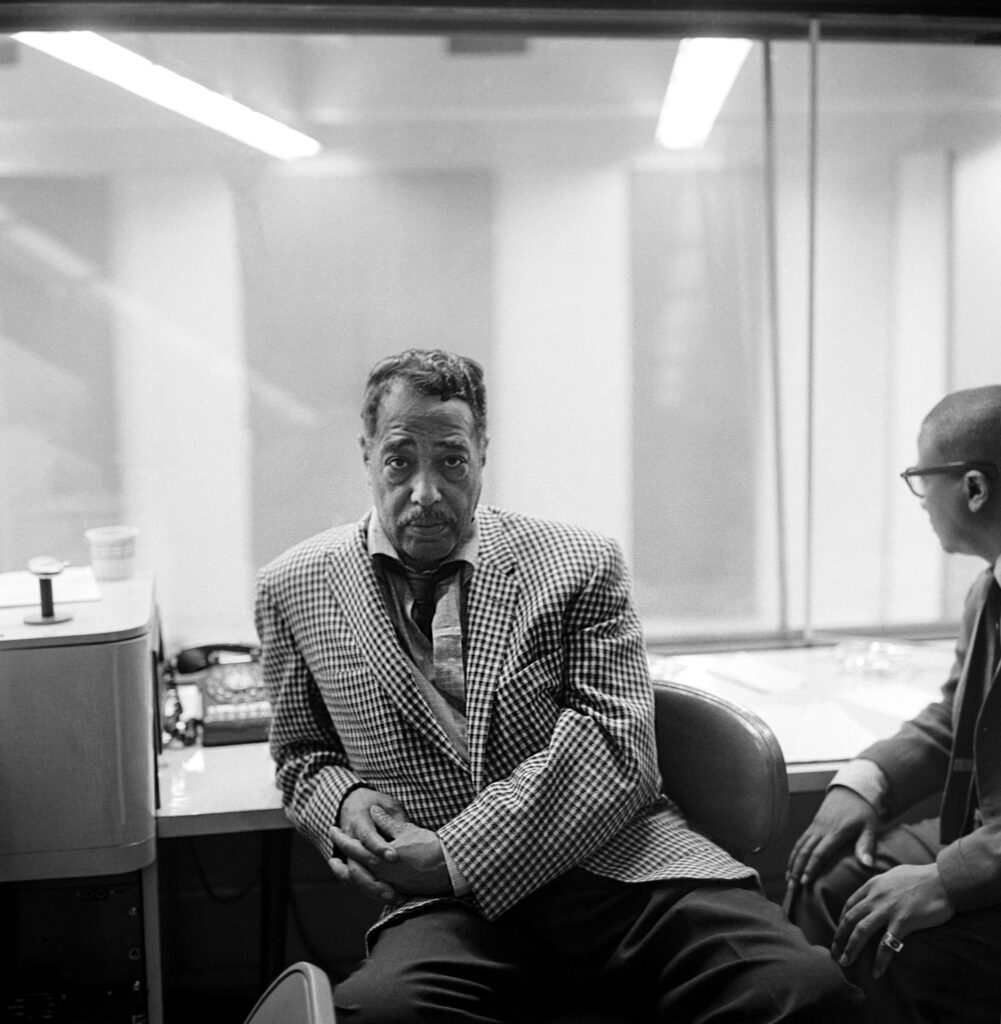
He built genuine relationships with his subjects, allowing for rare openness. His portraits go beyond representation—they convey presence, tension, and atmosphere.
His lens never intrudes. Instead, it blends seamlessly into the environment—an invisible witness within the unfolding moment.
Chicago as a living stage
Bronstein’s work is inseparable from Chicago. In iconic venues like the London House and Mr. Kelly’s, he encountered legends such as Muddy Waters, Miles Davis, and Ella Fitzgerald.
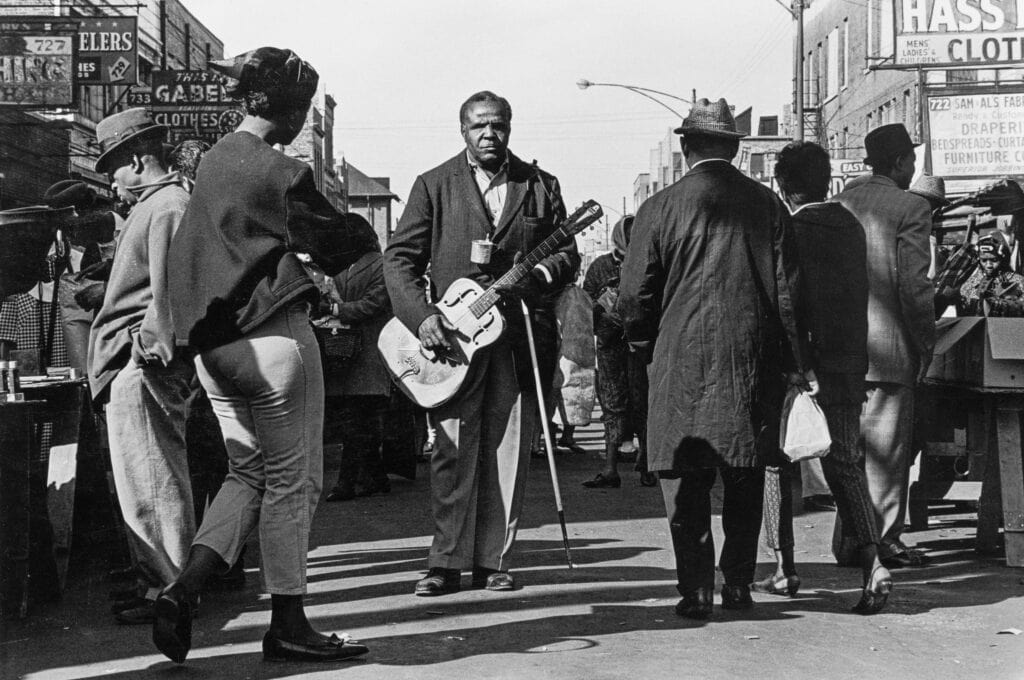
Yet his gaze extended beyond music, capturing figures from comedy and culture—reflecting a broader artistic curiosity.
From record covers to pop culture
Beyond photography, Bronstein shaped the visual identity of the music industry. He created over 500 album covers for major labels including Chess and Columbia Records.

Later, he became Playboy’s first staff photographer, influencing the magazine’s distinctive visual language. His work exists at the intersection of art, design, and pop culture—long before these fields naturally converged.
An archive rediscovered
After his untimely death in 1968, Bronstein’s archive remained untouched for decades. Only recently did his daughters begin to explore it—revealing a remarkable time capsule of negatives, contact sheets, and unseen works.
This rediscovery adds new relevance to his legacy. The Milan exhibition marks not just a retrospective, but a starting point for renewed appreciation.
An invitation to look closer
“The Rhythm of the Eye” is more than an exhibition—it is an invitation to rethink perception itself.
Bronstein reminds us that seeing is not static, but dynamic—shaped by intuition, timing, and sensitivity. Much like jazz, it lives in the moment.